Introduction
Amish Poor Man’s Steak is one of those timeless dishes that captures the essence of hearty, home-cooked comfort food while staying true to principles of simplicity and frugality. This recipe transforms everyday ground beef into something that feels indulgent and satisfying, mimicking the richness of a traditional steak dinner without the high cost. At its core, it features seasoned ground beef patties, lightly dredged in flour, seared to perfection, and then baked in a creamy mushroom gravy that infuses every bite with deep, savory flavor. The result is tender, juicy “steaks” smothered in a velvety sauce that’s perfect for soaking up with mashed potatoes, egg noodles, or rice.
What makes this dish so special is its roots in Amish and Mennonite cooking traditions, where resourcefulness turns basic pantry staples into meals that feed large families with warmth and nourishment. It’s a testament to making the most out of what you have, creating something delicious and filling from affordable ingredients like ground beef, saltine crackers, and canned cream of mushroom soup. Whether you’re cooking for a busy weeknight, a Sunday family gathering, or simply craving classic comfort, Amish Poor Man’s Steak delivers nostalgia and satisfaction in every forkful. This blog post will guide you through its history, significance, precise ingredients, tips, step-by-step instructions, and more, so you can recreate this beloved recipe in your own kitchen.
Origin
The origins of Amish Poor Man’s Steak trace back to the practical, no-waste cooking styles of Amish and Mennonite communities in rural America, particularly in areas like Pennsylvania, Ohio, and Illinois. These communities, known for their simple, self-sufficient lifestyles, developed recipes that stretched limited resources to feed large households. Ground beef, being far more affordable and accessible than premium cuts like ribeye or sirloin, became the star of many dishes, earning this one its humble name—”Poor Man’s Steak.”
Historical accounts and family stories suggest the recipe emerged in the mid-20th century or earlier, as Amish cooks adapted traditional hamburger patties into something more substantial. Some variations involve pressing the meat mixture into a loaf, chilling it overnight, slicing it into “steaks,” and then frying and baking them in gravy—a method that maximizes flavor and tenderness. Others, like the version we’ll explore here, shape individual patties for quicker preparation. The use of condensed cream of mushroom soup as a gravy base reflects a common Amish shortcut, blending homemade ethos with convenient canned goods that became popular in rural kitchens.
This dish is often linked to church suppers and community meals, where one cook in rural Ohio shared a similar recipe that became widely circulated. It’s a close relative to Salisbury steak but distinguished by its cracker crumb binder and mushroom gravy finish. Over generations, Poor Man’s Steak has been passed down in Amish cookbooks and family recipe boxes, symbolizing ingenuity during times when meat was rationed or expensive. Today, it remains a staple in Amish country buffets and home tables, proving that great flavor doesn’t require extravagance.
Cultural Significance
In Amish culture, food is more than sustenance—it’s a cornerstone of community, family, and faith. Amish Poor Man’s Steak embodies the values of frugality, gratitude, and togetherness that define these tight-knit groups. Meals are prepared with intention, using seasonal or preserved ingredients to honor God’s provisions while avoiding waste. This dish perfectly illustrates that philosophy: turning inexpensive ground beef into a “steak-like” experience allows families to enjoy a luxurious-tasting meal without excess spending.
Culturally, it reflects the Amish emphasis on large family dinners, where dishes like this feed many mouths affordably. It’s commonly served at potlucks, weddings, or after-church gatherings, fostering bonds over shared plates. The creamy gravy and tender patties evoke warmth and home, reminding eaters of simpler times. Beyond Amish homes, the recipe has spread through cookbooks and online communities, introducing outsiders to the charm of Pennsylvania Dutch cooking. It’s a bridge between traditional rural life and modern kitchens, showing how cultural heritage preserves resourcefulness in an age of abundance. Embracing Poor Man’s Steak means celebrating humility and heartiness—a dish that nourishes body and spirit alike.
Ingredients Quantity
To make Amish Poor Man’s Steak for about 6-8 servings, gather these precise ingredients. This recipe yields hearty patties with plenty of rich gravy.
For the Patties:
- Ground beef: 2 pounds (preferably 80/20 or 85/15 for optimal juiciness and flavor)
- Crushed saltine crackers: 1½ cups (approximately one full sleeve, finely crushed for binding)
- Whole milk: 1 cup (adds moisture and tenderness to the meat mixture)
- Italian seasoning: ½ teaspoon (provides herbal depth)
- Garlic powder: ½ teaspoon (for savory aroma)
- Onion powder: ½ teaspoon (enhances umami without fresh onions)
- Cayenne pepper: ¼ teaspoon (optional, for a subtle kick)
- Kosher salt and black pepper: To taste (start with 1 teaspoon salt and ½ teaspoon pepper)
- All-purpose flour: As needed for dredging (about ½ cup)
For the Gravy:
- Condensed cream of mushroom soup: 2 cans (10.75 ounces each, undiluted)
- Whole milk: 1½ cups (thins the soup into a creamy sauce)
- Fresh parsley: 1½ tablespoons, finely chopped (for freshness and garnish)
These quantities ensure balanced flavors and enough gravy to generously coat the patties. Using high-quality ground beef and fresh parsley elevates the dish significantly.
Optional Additions
While the classic recipe shines in its simplicity, optional additions can customize Amish Poor Man’s Steak to your taste or dietary needs. For extra depth, incorporate ½ cup finely chopped onion or green bell pepper into the patty mixture—these add texture and subtle sweetness. Sautéed fresh mushrooms (8 ounces, sliced and browned) stirred into the gravy bring an earthy boost, making it even more mushroom-forward.
For variety, swap one can of cream of mushroom soup with cream of celery or chicken for a different flavor profile. A dash of Worcestershire sauce (1 teaspoon) in the patties or gravy adds tangy richness. Cheese lovers can sprinkle shredded cheddar or Swiss over the top during the last 10 minutes of baking for a melty finish. For a low-carb twist, reduce crackers and use almond flour as a binder. Vegetarians might substitute plant-based ground meat and mushroom broth. These tweaks keep the dish versatile while honoring its roots.
Tips for Success
Achieving perfect Amish Poor Man’s Steak requires attention to a few key details. First, mix the patty ingredients gently—overworking the beef leads to tough results; combine just until incorporated. Chill the shaped patties for 30 minutes (or overnight) to help them hold together during searing.
Use a hot skillet with a bit of oil or butter for searing; this creates a golden crust that locks in juices without fully cooking the interior. Don’t skip dredging in flour—it adds crispiness and thickens the gravy slightly. For even cooking, arrange patties in a single layer in the baking dish; if layering, flip midway.
Make-ahead magic: Assemble patties and gravy separately, then refrigerate or freeze for up to 3 months. Thaw and proceed as usual. If gravy separates during baking, whisk it gently before serving. Finally, rest the dish 5-10 minutes post-bake for juices to redistribute. These tips ensure tender, flavorful results every time.
Instructions
Follow these detailed steps for flawless Amish Poor Man’s Steak.
Step 1: Preheat and Prep. Begin by preheating your oven to 350°F (175°C). Grease a 9×13-inch baking dish generously with non-stick spray or butter to prevent sticking and ease cleanup. This size perfectly accommodates the patties and gravy.
Step 2: Make the Gravy. In a medium bowl, whisk together the two cans of condensed cream of mushroom soup and 1½ cups whole milk until completely smooth and lump-free. Stir in the finely chopped fresh parsley for a pop of color and herbal note. Set this mixture aside; it will thicken beautifully during baking.
Step 3: Mix the Patties. In a large mixing bowl, combine the 2 pounds ground beef, 1½ cups crushed saltine crackers, 1 cup whole milk, ½ teaspoon Italian seasoning, ½ teaspoon garlic powder, ½ teaspoon onion powder, and ¼ teaspoon cayenne pepper. Season with kosher salt and black pepper to taste. Use your hands or a fork to mix gently until just combined—avoid overmixing to keep the patties tender. Shape the mixture into 8-10 evenly sized oval patties, about ½-inch thick.
Step 4: Dredge and Sear. Spread all-purpose flour on a plate and lightly coat each patty on both sides, shaking off excess. Heat a large skillet over medium-high heat with a tablespoon of oil or butter. Sear the patties in batches, 2-3 minutes per side, until golden brown. They should not be fully cooked inside—this step builds flavor and texture.
Step 5: Bake. Arrange the seared patties in the prepared baking dish. Pour the gravy mixture evenly over the top, ensuring all patties are coated. Cover tightly with aluminum foil and bake for 30-40 minutes, or until the patties reach an internal temperature of 160°F and are tender. Remove foil in the last 10 minutes for a slightly bubbled top if desired.
To Serve: Spoon warm over mashed potatoes, egg noodles, or rice. Garnish with additional chopped parsley for freshness.
Description
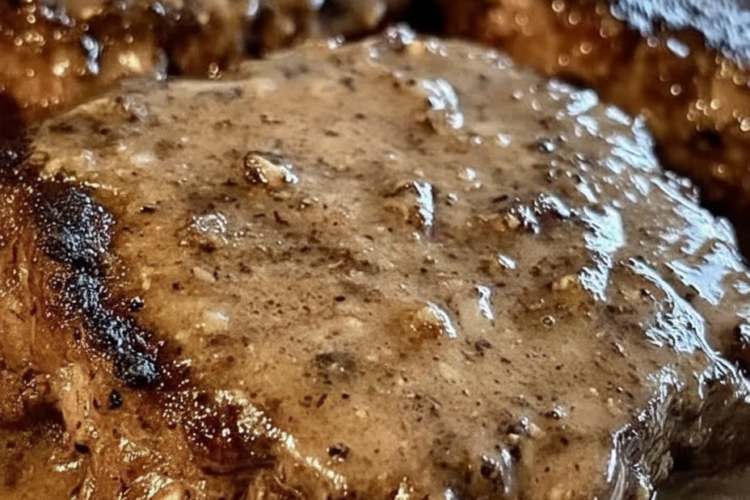
Amish Poor Man’s Steak is a symphony of comforting textures and flavors. The patties emerge incredibly tender, thanks to the milk-soaked cracker crumbs that bind and moisten the ground beef. Searing creates a lightly crisp exterior, while baking in the creamy gravy ensures juiciness throughout. The gravy itself is rich and velvety, with earthy mushroom notes balanced by subtle herbs and a hint of parsley brightness.
Visually, it’s inviting: golden-brown patties nestled in a bubbling, beige sauce, often garnished with green flecks. Served piping hot, it fills the kitchen with savory aromas reminiscent of Sunday dinners. The dish pairs beautifully with starchy sides that absorb the gravy, creating a complete, satisfying meal. It’s comfort food at its finest—rustic, hearty, and utterly delicious.
Nutritional Information
Nutritional values for Amish Poor Man’s Steak vary slightly based on exact ingredients and portion sizes, but here’s an approximate breakdown per serving (assuming 8 servings total, one patty with gravy):
- Calories: 400-500 kcal
- Protein: 25-30 grams (primarily from ground beef, supporting muscle repair and satiety)
- Fat: 25-35 grams (including saturated fat from beef and soup; use leaner beef for reduction)
- Carbohydrates: 20-30 grams (from crackers and soup)
- Fiber: 1-2 grams
- Sugars: 3-5 grams
- Sodium: 800-1000 mg (high due to canned soup; opt for low-sodium versions)
This dish provides iron, B vitamins, and zinc from beef, making it nutrient-dense. It’s higher in calories and fat for indulgence but can be lightened with turkey or reduced-fat soup. Pair with vegetables for balanced nutrition.
Conclusion
Amish Poor Man’s Steak stands as a beloved classic that proves simplicity can yield extraordinary flavor. From its frugal origins to its place on modern tables, this dish reminds us of the joy in heartfelt cooking. Tender patties bathed in creamy gravy offer pure comfort, evoking memories of family meals and shared abundance. Whether you’re new to Amish recipes or a longtime fan, this one delivers satisfaction without complexity.
Recommendation
I highly recommend trying Amish Poor Man’s Steak soon—it’s ideal for cozy evenings or feeding a crowd on a budget. Start with the classic version, then experiment with additions like mushrooms or onions. Serve with creamy mashed potatoes and green beans for the ultimate experience. It’s forgiving for beginners yet rewarding for seasoned cooks.
Embracing Healthful Indulgence
While rich and comforting, Amish Poor Man’s Steak can fit into a balanced lifestyle as healthful indulgence. The high protein keeps you full, and homemade elements allow control over sodium and fat. Enjoy it occasionally, paired with fresh salads or steamed veggies, to savor tradition without guilt. It’s a delicious way to embrace moderation—proving that indulgent meals can nourish both body and soul when made with care.