Introduction
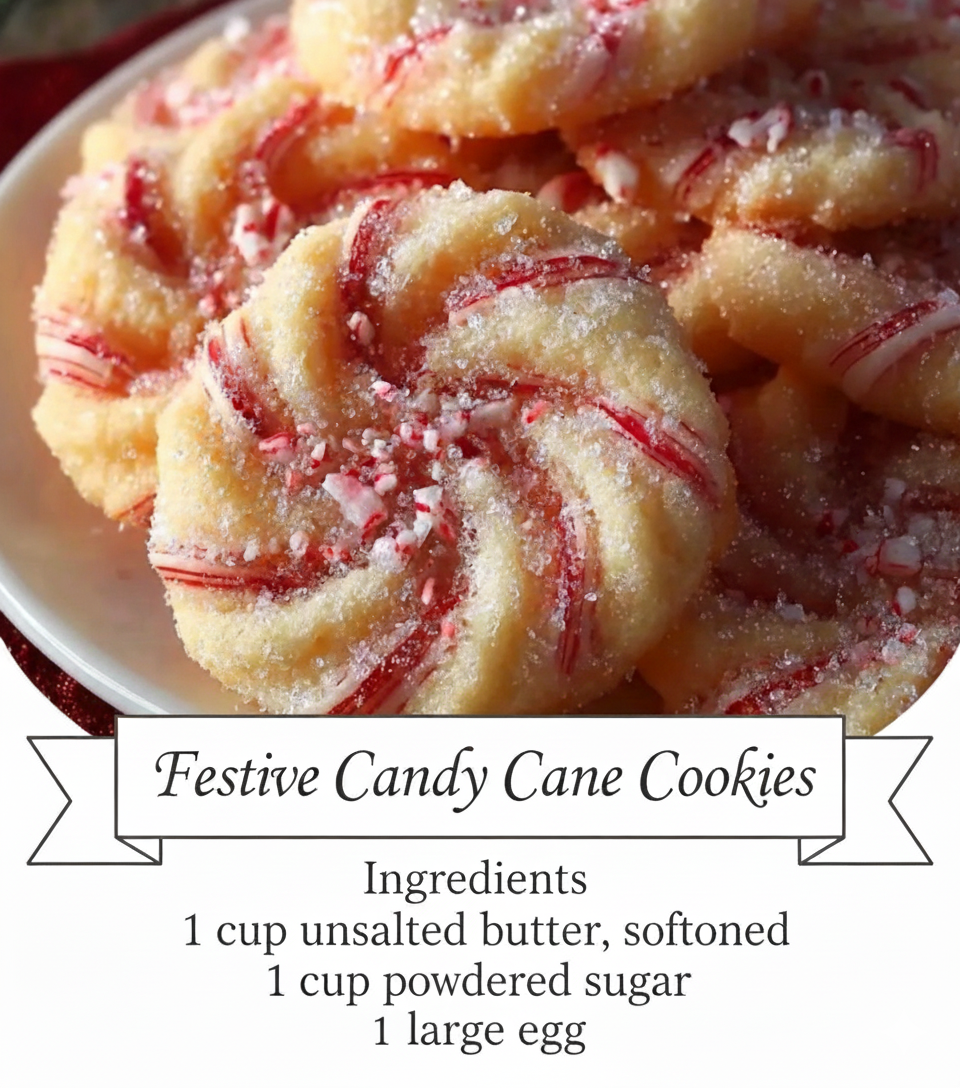
Festive Candy Cane Cookies are a whimsical, buttery holiday treat that perfectly mimic the iconic red-and-white stripes of real candy canes, infused with refreshing peppermint flavor for instant seasonal cheer. This clever recipe starts with a convenient sugar cookie mix base, enriched with cream cheese for extra tenderness and peppermint extract for that classic minty kick, then divided and colored to create twisted, hook-shaped swirls that bake up crisp yet soft. Ideal for Christmas cookie trays, gift tins, school parties, or family baking days, these cookies are as fun to make as they are to eat—engaging kids in rolling and twisting while delivering professional-looking results with minimal effort. The provided instructions yield about 24-36 cookies (depending on size), baking quickly at 350°F for a golden edge without losing shape. In this comprehensive guide, we’ll explore their modern holiday origins, cultural role in festive baking, precise ingredients, creative variations, success tips, detailed instructions, sensory delights, nutrition, and mindful enjoyment—celebrating why these peppermint-swirled beauties are a beloved tradition that spreads joy on every platter.
The charm of these cookies lies in their playful appearance and flavor harmony: buttery, cream cheese-enriched dough with cool peppermint brightness, striped visually for holiday magic and textured with subtle crunch from baking.
Origin
Festive Candy Cane Cookies emerged as a mid-20th-century American holiday baking innovation, popularized in the 1950s-1960s through women’s magazines, Betty Crocker recipe cards, and community cookbooks as home bakers sought creative, themed treats for Christmas platters. Candy canes themselves date to 17th-century Europe (originally straight white sticks for choirs), evolving into hooked, striped peppermint versions in the U.S. by the early 1900s.
Twisted dough cookies drew from European braided breads and marbled techniques, but the candy cane shape with red coloring and peppermint extract became a distinctly American festive staple, amplified in the postwar era with food coloring and extracts readily available. Boxed mix shortcuts like this reflect later convenience adaptations, maintaining the hand-twisted charm.
Cultural Significance
These cookies embody the playful spirit of American Christmas baking traditions, symbolizing the season’s joy, sharing, and creativity—often made with children for memorable activities like shaping hooks. They’re fixtures on holiday cookie exchanges, Santa plates, and office treats, evoking nostalgia and whimsy amid richer chocolates or spiced gingerbread.
The red-white stripes tie to candy cane lore (said to represent shepherd’s crooks or Jesus’ blood and purity in Christian symbolism), while peppermint refreshes winter palates. Globally adapted in English-speaking countries, they foster togetherness through collaborative twisting and decorating.
Ingredients Quantity
This recipe yields 24-36 cookies:
- 1 box (17.5 oz typical) sugar cookie mix + package ingredients (usually butter, egg)—for easy base.
- 4 oz cream cheese, softened—for tenderness and tang.
- 1 tsp peppermint extract—for minty flavor.
- Red gel food coloring—for vibrant stripes.
- 2–3 tbsp flour (optional)—for handling if dough sticky.
These create pliable, flavorful doughs.
Optional Additions
Dust cooled cookies with powdered sugar “snow,” or sprinkle crushed candy canes for crunch. Add mini chocolate chips to dough for peppermint bark vibe. Shape as wreaths or hearts for versatility. Dip hooks in melted white chocolate. Use almond extract alongside peppermint for depth. These keep the festive twist while customizing.
Tips for Success
Chill dough portions 15-30 minutes for easier rolling without sticking. Roll ropes on lightly floured surface to uniform thickness (about ¼ inch) for even baking. Twist gently but firmly—press ends to seal. Space on parchment-lined sheets; chill shaped cookies briefly if warm. Bake until just set—overbaking toughens. Cool fully on sheet to hold shape. Store airtight up to 1 week; freeze dough ropes for later twisting.
Instructions
Detailed steps for perfect Festive Candy Cane Cookies:
- Preheat Oven: 350°F (175°C). Line sheets with parchment.
- Prepare Dough: Mix sugar cookie dough per package. Beat in softened cream cheese and peppermint extract until smooth.
- Divide and Color: Halve dough. Knead red gel coloring into one half until uniform bright red.
- Roll Ropes: From each color, pinch walnut-sized pieces; roll into 4-6 inch ropes of equal thickness.
- Twist Together: Pair red and white ropes; press together at one end, twist gently to spiral.
- Shape Canes: Curve one end into hook; place on sheets 2 inches apart.
- Bake: 8-10 minutes until edges set and bottoms lightly golden—centers remain pale.
- Cool: Rest on sheet 5 minutes; transfer to rack.
Description
These cookies enchant visually: curved hooks with bold red-white swirls, glossy from baking and perhaps dusted snowy white for extra holiday magic. Aromatically, peppermint wafts coolly with buttery dough warmth. Texturally, exteriors crisp lightly while interiors stay tender and soft from cream cheese. Flavor balances buttery richness with refreshing peppermint zing—festive, fun, and perfectly sweet-minty.
Nutritional Information
Per cookie (approximate, based on 30):
- Calories: 100-120.
- Protein: 1g.
- Fat: 5-7g, from butter and cream cheese.
- Carbohydrates: 14-16g, mostly sugars.
- Other: Minimal; indulgent treat.
Holiday joy in moderation.
Conclusion
Festive Candy Cane Cookies weave playful creativity with peppermint delight into buttery swirls that brighten any holiday—simple to make, stunning to share, and timelessly cheerful.
Recommendation
Absolutely bake these soon—fun for all ages and guaranteed to spark smiles on trays or in gifts.
Embracing Healthful Indulgence
Use reduced-fat cream cheese, natural coloring, or smaller bites. Pair with tea for balanced savoring.