🏡 The No-Scrub Secret to Removing Green Algae From Siding — Fast, Cheap & Surprisingly Easy
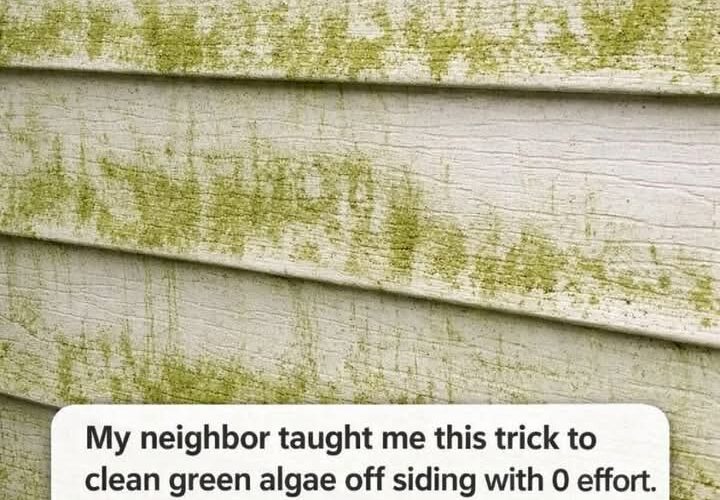
Green algae creeping across your home’s siding can make even the most beautiful property look neglected. Those ugly green streaks and patches often appear overnight, especially on shaded sides of the house. If you’ve tried scrubbing endlessly with brushes, blasting the siding with a pressure washer, or wasting money on harsh cleaners, you already know how frustrating this problem can be.
The good news? There’s a much easier solution.
A simple no-scrub trick using common household ingredients can eliminate green algae from siding with very little effort. No climbing dangerous ladders. No expensive equipment. No back-breaking scrubbing sessions.
This method has become a favorite among homeowners because it’s affordable, effective, and gentle on most siding surfaces when used correctly. Even better, the ingredients are probably already sitting in your kitchen.
In this complete guide, you’ll learn:
- Why algae grows on siding
- The exact homemade cleaning solution that works
- Proper mixing ratios to avoid damage
- How to apply it safely
- How long to let it sit
- Preventive tips to stop algae from returning
- When you may need stronger methods
By the end of this article, you’ll know exactly how to restore your siding and keep your home looking clean year-round.
🌿 Why Green Algae Grows on Siding in the First Place
Before you can permanently deal with algae, it helps to understand why it appears.
Green algae thrive in damp, shaded environments. Certain areas around your home create the perfect breeding ground, especially:
- North-facing walls
- Areas under trees
- Sides of the house with poor airflow
- Spots exposed to frequent moisture
- Humid climates
Vinyl siding and painted siding are especially vulnerable because they tend to hold moisture longer than brick or stone. Once airborne algae spores land on damp siding, they begin feeding on moisture and organic debris like pollen, dust, and dirt.
Over time, this creates the familiar green discoloration many homeowners notice each spring and summer.
The problem is more than cosmetic. If ignored long enough, algae can:
- Cause staining
- Trap moisture against siding
- Encourage mold and mildew growth
- Contribute to paint deterioration
- Reduce curb appeal
That’s why regular cleaning matters.
😲 The No-Scrub Cleaning Trick That Changed Everything
Many homeowners assume removing algae requires hours of aggressive scrubbing or expensive pressure washing.
But the real secret is surprisingly simple:
Instead of physically scraping algae away, you use a mild cleaning solution that breaks down the algae naturally.
The mixture kills the algae and loosens its grip on the siding surface. Once the solution sits for a while, a simple rinse with a garden hose often removes most — or all — of the buildup.
The best part?
You can usually do the entire job:
- Without climbing ladders
- Without scrubbing
- Without damaging your siding
- Without expensive chemicals
This method works because the ingredients attack the algae at a microscopic level instead of relying on force.
🧴 The Simple Homemade Cleaning Solution
One reason this method is so popular is because the ingredients are inexpensive and easy to find.
Here’s what you need:
Ingredients
- 1 gallon of water
- 1 cup white vinegar
- 1 tablespoon dish soap
That’s it.
🧪 Why These Ingredients Work So Well
Each ingredient serves an important purpose.
💧 Water
Water dilutes the solution so it cleans effectively without becoming too harsh for siding surfaces.
🍶 White Vinegar
White vinegar contains acetic acid, which helps:
- Kill algae
- Break down buildup
- Dissolve grime naturally
It’s powerful enough to clean algae but usually mild enough for vinyl and painted siding when diluted properly.
🫧 Dish Soap
Dish soap acts as a surfactant, meaning it helps the solution:
- Spread evenly
- Stick to vertical surfaces
- Penetrate algae buildup more effectively
Without soap, the mixture would run off the siding too quickly.
⚠️ Exact Mixing Ratios Matter
One mistake many homeowners make is using too much vinegar.
More is not always better.
Highly concentrated vinegar can potentially:
- Fade paint
- Damage delicate finishes
- Leave streaks
- Affect older siding materials
The safest effective ratio is:
- 1 gallon water
- 1 cup vinegar
- 1 tablespoon dish soap
If you’re concerned about sensitive paint or older siding, test the solution in a hidden area first.
Never mix vinegar with bleach or ammonia-based cleaners. Combining chemicals can create dangerous fumes.
🚿 Why Pressure Washing Isn’t Always the Best Option
Pressure washing may seem like the fastest solution, but it can actually create bigger problems.
Improper pressure washing can:
- Crack vinyl siding
- Force water behind siding panels
- Damage paint
- Create moisture problems inside walls
- Void siding warranties
Many professionals recommend using low-pressure cleaning methods whenever possible.
The no-scrub vinegar method is much gentler and safer for routine maintenance.
🪴 Step-by-Step: How to Apply the Solution Properly
Using the solution correctly is key to getting great results.
Step 1: Choose the Right Day
Pick a:
- Mild day
- Dry weather
- Cloudy or partially cloudy afternoon
Avoid direct hot sunlight because the solution may dry too quickly.
Step 2: Protect Nearby Plants
Before spraying:
- Wet plants with plain water
- Cover delicate flowers if necessary
This helps reduce absorption of vinegar runoff.
Step 3: Fill a Garden Sprayer
A basic pump garden sprayer works perfectly.
This allows you to:
- Reach high areas
- Avoid ladders
- Apply the solution evenly
Mix the ingredients directly inside the sprayer.
Step 4: Spray From Bottom to Top
Many people instinctively spray downward first, but professionals often recommend starting low and working upward.
Why?
It helps:
- Prevent streaking
- Ensure even saturation
- Avoid missed spots
Completely soak algae-covered areas.
⏳ The Most Important Step: Let It Sit
This is where the real magic happens.
After spraying the siding, leave the solution alone.
Do not scrub.
Do not rinse immediately.
Allow the mixture to sit for:
- At least 20–30 minutes
- Up to 1 hour for heavy algae growth
During this time:
- Vinegar breaks down algae cells
- Soap loosens debris
- Algae releases from the siding surface
Patience is critical.
The longer the solution sits (without drying completely), the easier the algae comes off.
🚿 Rinsing Away the Algae
Once the waiting period is over, rinse thoroughly using a garden hose.
Start from the top and work downward.
In many cases, the algae simply slides off with minimal water pressure.
You’ll likely notice:
- Brightened siding
- Removal of green stains
- Cleaner appearance immediately
For stubborn spots:
- Repeat the process once more
- Allow a slightly longer sitting time
Most homeowners are surprised by how effective this method is without any scrubbing at all.
🏠 Best Types of Siding for This Cleaning Method
This method works well on many common siding materials.
✅ Vinyl Siding
Vinyl responds especially well because algae tends to sit on the surface.
✅ Painted Wood Siding
Usually safe if the paint is in good condition.
✅ Fiber Cement Siding
Generally compatible when properly diluted.
✅ Aluminum Siding
Works well for removing organic buildup.
❌ Surfaces That Require Extra Caution
Some materials may need gentler handling.
Use caution with:
- Old peeling paint
- Unsealed wood
- Natural stone
- Stucco
- Historic exterior finishes
Always spot test first if unsure.
🐶 Important Safety Tips for Pets, Plants & Family
Even natural cleaners should be used responsibly.
🌱 Protect Plants
Vinegar can damage leaves if concentrated.
Tips:
- Rinse plants before and after cleaning
- Avoid overspraying flower beds
- Cover delicate landscaping
🐾 Keep Pets Away
Keep pets indoors until:
- The area is rinsed
- Surfaces are dry
This prevents accidental licking or contact.
👓 Wear Protective Gear
Although mild, vinegar can irritate eyes and skin.
Wear:
- Gloves
- Safety glasses
- Old clothing
🕒 How Long Do the Results Last?
Results vary depending on climate and environment.
Most homeowners enjoy clean siding for:
- 6 months to 1 year
However, algae may return faster if your home has:
- Dense shade
- High humidity
- Poor drainage
- Nearby trees
Routine maintenance greatly extends results.
🌳 Easy Ways to Prevent Algae From Returning
Cleaning is only half the battle.
Prevention is what keeps siding looking beautiful long term.
✂️ Trim Trees and Bushes
Reduce heavy shade and improve airflow around your home.
More sunlight means:
- Faster drying
- Less algae growth
💦 Improve Drainage
Check:
- Gutters
- Downspouts
- Splash blocks
Water should flow away from your home instead of collecting near siding.
🧹 Wash Siding Regularly
A quick yearly rinse with mild soap and water helps remove:
- Dirt
- Pollen
- Organic debris
This eliminates algae food sources before buildup starts.
☀️ Increase Sunlight Exposure
Even a little additional sunlight can significantly reduce algae growth.
Consider:
- Thinning trees
- Trimming hedges
- Removing unnecessary shade sources
💸 Why This Method Saves Money
Professional siding cleaning can cost hundreds of dollars.
Pressure washing services often charge:
- $200–$700 depending on home size
This homemade method costs only a few dollars.
Approximate costs:
- Vinegar: inexpensive
- Dish soap: minimal
- Garden sprayer: reusable
For many homeowners, this simple trick becomes part of annual home maintenance.
🧼 Common Mistakes Homeowners Make
Avoid these common cleaning errors.
❌ Using Too Much Pressure
High-pressure washers can permanently damage siding.
❌ Scrubbing Too Aggressively
Hard brushes may:
- Scratch vinyl
- Remove paint
- Leave visible marks
❌ Applying Cleaner in Direct Sunlight
The solution dries too quickly and becomes less effective.
❌ Forgetting to Rinse Plants
Vinegar runoff can damage landscaping.
❌ Not Letting the Solution Sit Long Enough
This is the biggest mistake of all.
The soaking period does most of the cleaning work.
🔍 Signs You May Need a Stronger Solution
Sometimes algae buildup becomes severe.
You may need additional help if:
- Black stains remain
- Algae returns immediately
- Mold is present
- Large sections remain green after treatment
In those cases, consider:
- Commercial siding cleaners
- Professional soft washing services
- Expert inspection for moisture issues
🏗️ When Professional Cleaning Is Worth It
DIY cleaning works wonderfully for routine algae removal.
But professionals may be necessary when:
- Your home is multiple stories tall
- Mold infestation is extensive
- Siding is fragile
- Water intrusion is suspected
- Stains are deeply embedded
Professional soft washing systems use specialized low-pressure equipment designed to safely clean siding without damage.
🌦️ Why Certain Climates See More Algae Growth
Some regions experience algae problems far more frequently.
Common high-risk conditions include:
- Humid weather
- Frequent rainfall
- Coastal air
- Dense tree coverage
- Long shaded periods
Homes in these environments benefit from yearly preventative cleaning.
🧽 Homemade Cleaner vs Commercial Cleaner
Many homeowners wonder which option works best.
Homemade Vinegar Solution
Pros
- Cheap
- Eco-friendly
- Easy to make
- Safer for siding
Cons
- May require repeat applications
- Less effective on severe staining
Commercial Cleaners
Pros
- Stronger cleaning power
- Faster on severe buildup
Cons
- More expensive
- May contain harsh chemicals
- Potential plant damage
For most moderate algae problems, the homemade method works surprisingly well.
🏡 How Clean Siding Improves Your Home
Removing algae does more than improve appearance.
Clean siding can:
- Increase curb appeal
- Help preserve property value
- Prevent long-term damage
- Make your home look newer
- Improve neighborhood appearance
Even small improvements can dramatically transform your exterior.
📅 A Simple Annual Siding Maintenance Routine
To keep algae under control year after year, follow this simple schedule.
Spring
- Inspect shaded areas
- Check gutters
- Rinse pollen and debris
Summer
- Trim landscaping
- Monitor moisture buildup
Fall
- Remove leaves near siding
- Clean gutters thoroughly
Winter
- Check for drainage problems
- Watch for moisture accumulation
Small preventive habits make a huge difference.
💡 Final Thoughts: The Easiest Way to Remove Green Algae From Siding
Green algae on siding may be common, but it doesn’t have to be permanent.
This simple no-scrub cleaning trick offers an easy, affordable, and highly effective way to restore your home’s exterior without exhausting yourself in the process.
With just:
- Water
- White vinegar
- Dish soap
- A garden sprayer
…you can remove unsightly algae with minimal effort and impressive results.
The key is allowing the solution enough time to work before rinsing.
Combined with a few smart preventive habits like improving sunlight exposure and reducing moisture buildup, this method can keep your siding looking clean and fresh for months at a time.
Instead of spending hundreds on professional cleaning or risking damage with a pressure washer, try this gentle DIY approach first. You may be amazed at how quickly your home transforms.