🧀 Is Moldy Cheese Truly a Lost Cause? The Ultimate Guide to Knowing What’s Safe (and What’s Not)
Have you ever opened your fridge, spotted fuzzy green or blue patches on your cheese, and immediately wondered: Is moldy cheese truly a lost cause? Before you toss that pricey wedge into the trash, you might want to pause. The truth is more nuanced than you think.
Some cheeses are literally made with mold and are perfectly safe to eat. Others can become dangerous with just a small fuzzy spot. Knowing the difference can save you money, prevent food waste, and most importantly, keep you safe.
In this comprehensive guide, we’ll break down everything you need to know about moldy cheese — when to save it, when to toss it, and how to store cheese properly to prevent spoilage in the first place.
🦠 What Is Mold, Really?
Mold is a type of fungus that grows in multicellular filaments called hyphae. It thrives in warm, moist environments — which makes your refrigerator a surprisingly comfortable home if food isn’t stored correctly.
Mold spreads through microscopic spores that float through the air. When they land on food, they can grow and multiply quickly, especially on dairy products like cheese.
But here’s the important part:
👉 Not all mold is bad.
Some molds are intentionally added to cheese to create unique flavors and textures.
🧀 Cheeses That Are SUPPOSED to Have Mold
Certain cheeses are crafted with carefully controlled mold cultures. These molds are safe and even essential to the cheese-making process.
Examples include:
- – A soft cheese with a white, bloomy rind.
- – Similar to Brie with edible surface mold.
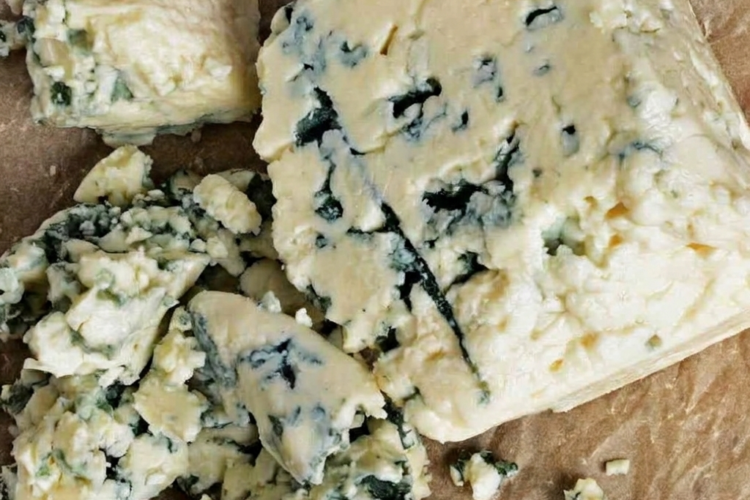
- – A blue cheese made with Penicillium mold.
- – A creamy blue-veined cheese.
- – A rich, crumbly blue cheese.
In these cheeses, the mold is part of the design. It contributes to flavor, aroma, and texture — and it’s completely safe to eat.
If you see blue or white veining in these types of cheese, there’s no need to panic. That’s exactly how they’re meant to look.
🚫 When Mold on Cheese Is Dangerous
Now here’s where things change.
If you find mold on cheese that was not meant to contain mold, you need to evaluate the type of cheese before deciding what to do.
Soft Cheeses (Usually Toss Them)
Soft cheeses have high moisture content, which allows mold to spread quickly and invisibly below the surface.
If mold appears on:
- Cream cheese
- Ricotta
- Cottage cheese
- Shredded cheese
- Fresh mozzarella
👉 Throw it away immediately.
Even if you only see a small spot, mold roots can spread throughout the entire product.
🔪 Hard Cheeses: Can You Cut the Mold Off?
Here’s the good news.
Hard cheeses like cheddar, parmesan, and Swiss are much denser. Mold has a harder time penetrating deeply into them.
If you spot mold on:
- Cheddar
- Parmesan
- Romano
- Swiss
- Provolone
You can often save the cheese by:
- Cutting at least 1 inch (2.5 cm) around and below the moldy spot.
- Making sure your knife doesn’t touch the mold and then the clean cheese.
- Discarding the moldy portion safely.
Because hard cheese has low moisture, mold tends to stay near the surface.
🤔 How to Tell If Cheese Has Gone Bad
Sometimes mold isn’t the only indicator of spoilage.
Here are additional warning signs:
- Sour or ammonia-like smell
- Slimy texture
- Unusual discoloration
- Bitter or unpleasant taste
If anything seems off beyond normal aging characteristics, it’s best to throw it out.
When in doubt, remember this rule:
👉 If it smells wrong, it probably is.
🧪 Is Moldy Cheese Ever Toxic?
Some molds can produce harmful substances called mycotoxins. These toxins can cause:
- Nausea
- Vomiting
- Diarrhea
- Allergic reactions
However, the risk depends on the type of mold and the type of cheese.
Healthy adults who accidentally eat a small amount of moldy hard cheese usually won’t experience serious effects. But vulnerable groups — including pregnant women, elderly individuals, and those with weakened immune systems — should be extra cautious.
💰 The Cost of Throwing Away Cheese
Cheese can be expensive, especially specialty varieties. Tossing it out every time you see mold may feel wasteful.
Understanding which cheeses can be salvaged helps reduce:
- Food waste
- Grocery expenses
- Environmental impact
According to food waste research, dairy products are among the most commonly discarded foods in households worldwide.
Learning proper storage and mold management can make a big difference.
🧊 How to Store Cheese to Prevent Mold
Prevention is always better than rescue.
Here’s how to store cheese properly:
✔ Wrap It Correctly
Avoid plastic wrap directly against cheese. Instead:
- Use parchment or wax paper first.
- Then loosely wrap in plastic or place in a partially sealed container.
✔ Keep It Cool (But Not Too Cold)
Store cheese in the vegetable drawer where humidity is slightly higher.
✔ Avoid Cross-Contamination
Use clean knives each time you cut cheese. Mold spores spread easily.
✔ Don’t Pre-Shred Unless Necessary
Shredded cheese spoils faster due to increased surface area.
🧀 What About Pre-Packaged Sliced Cheese?
If mold appears on pre-sliced cheese:
👉 Throw it away.
Because slices are thin and stacked together, mold spreads rapidly between layers.
The same applies to shredded cheese.
🌍 Cultural Perspectives on Moldy Cheese
Interestingly, mold in cheese is celebrated in many culinary traditions.
French, Italian, and British cheesemaking cultures have embraced mold for centuries. Blue cheeses and bloomy rind cheeses are considered delicacies, not defects.
In fact, without mold, some of the world’s most prized cheeses wouldn’t exist.
It all comes down to intentional mold versus accidental contamination.
⚖ Final Verdict: Is Moldy Cheese Truly a Lost Cause?
Here’s the clear answer:
🟢 Hard cheese with surface mold?
Not always a lost cause — cut around it.
🔴 Soft cheese with mold?
Yes — throw it away.
🟢 Cheese designed to have mold?
Completely safe and delicious.
The key is understanding the type of cheese you’re dealing with.
🛑 When to Play It Safe
If you fall into any of these categories, avoid taking risks with moldy cheese:
- Pregnant
- Immunocompromised
- Elderly
- Feeding young children
In these cases, it’s better to discard questionable cheese.
Your health is worth more than the price of a wedge.
🧠 Quick Reference Cheat Sheet
Safe to Cut and Keep:
- Cheddar
- Parmesan
- Swiss
- Romano
Throw Away Immediately:
- Cream cheese
- Ricotta
- Cottage cheese
- Shredded cheese
- Fresh mozzarella
Meant to Have Mold:
🧀 Final Thoughts
So, is moldy cheese truly a lost cause?
Not always.
Understanding the difference between safe, intentional mold and dangerous contamination empowers you to make smart kitchen decisions. You’ll waste less food, save money, and protect your health.
Next time you see a fuzzy spot, don’t panic. Just identify your cheese type and follow the guidelines above.
Because sometimes, that moldy cheese isn’t a lost cause — it’s just misunderstood.