🥔 Victorian Stewed Potatoes: A Timeless Comfort Dish from a Bygone Era
Victorian Stewed Potatoes are a beautiful reminder that some of the best comfort foods come from the simplest ingredients. Long before modern kitchens were filled with gadgets and processed foods, families relied on humble, wholesome staples to nourish large households. Potatoes, milk, butter, and a touch of seasoning were transformed into something warm, filling, and deeply satisfying.
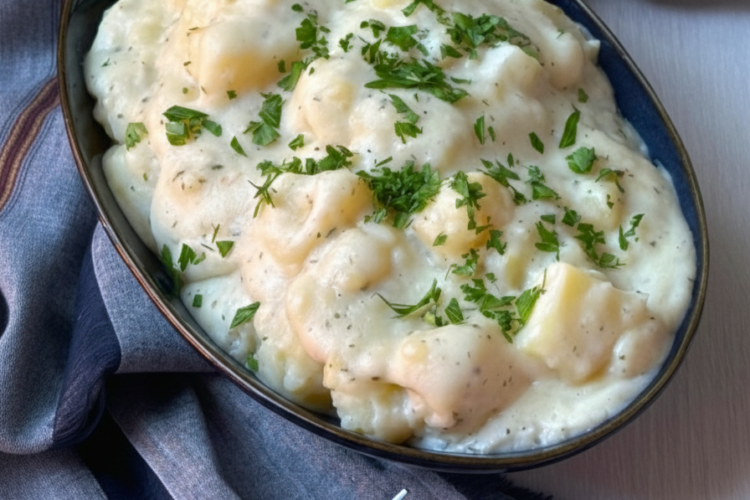
This classic Victorian-era recipe produces tender cubes of potato gently simmered in a creamy milk sauce, finished with butter and fresh parsley. The result is rich without being heavy, comforting without being complicated, and elegant enough to sit beside roast meats while still cozy enough for everyday meals.
Today, Victorian Stewed Potatoes remain popular because they are affordable, easy to prepare, and loved by all ages. Whether you’re cooking a nostalgic side dish, recreating historical recipes, or simply craving creamy potatoes, this dish delivers every time.
Let’s explore everything you need to know to make the perfect Victorian Stewed Potatoes — from history to technique, tips, serving ideas, and expert cooking advice.
🏰 The History Behind Victorian Stewed Potatoes
During the Victorian era (1837–1901), food was deeply influenced by practicality and seasonal availability. Potatoes were a staple across Britain and much of Europe because they were inexpensive, filling, and easy to store.
Milk-based stews and sauces became common in middle-class households where dairy was accessible. Cookbooks of the time frequently featured stewed vegetables prepared in milk or light cream sauces.
Victorian Stewed Potatoes were especially popular because:
• They stretched inexpensive ingredients to feed families
• They paired well with meats and fish
• They were easy to cook over hearths or simple stoves
• Children and adults alike enjoyed their mild flavor
Unlike mashed potatoes, this dish preserved texture while adding richness through slow cooking.
Today, this dish offers a delicious taste of culinary history while fitting perfectly into modern kitchens.
🧈 Ingredients You’ll Need
This recipe uses only a handful of ingredients, but each plays an important role.
Victorian Stewed Potatoes Ingredients
• 1 pound potatoes, peeled and cut into even cubes
• 2 cups whole milk, room temperature and divided
• 2 tablespoons unsalted butter
• 1 tablespoon all-purpose flour
• 1/4 cup fresh parsley, roughly chopped and divided
• Kosher salt and freshly cracked black pepper, to taste
Ingredient Breakdown
Potatoes
Choose starchy or all-purpose potatoes like Russet or Yukon Gold. They soften beautifully while keeping their shape.
Whole Milk
Whole milk gives the sauce its creamy body without needing heavy cream.
Butter and Flour
These form a light roux, thickening the stew into a silky sauce.
Parsley
Adds freshness and brightness that balances the creamy richness.
Salt and Pepper
Simple seasoning keeps the dish classic and authentic.
🍲 Step-by-Step Cooking Instructions
Follow these steps for perfect Victorian Stewed Potatoes every time.
Step 1: Prepare the Potatoes
Peel and cube potatoes into evenly sized pieces so they cook uniformly. Rinse lightly to remove excess starch if desired.
Step 2: Start Cooking the Potatoes
Place potatoes in a saucepan and add about 1½ cups of milk — enough to nearly cover them. Add a pinch of salt.
Simmer gently over medium-low heat for about 10–15 minutes until potatoes are fork-tender but not falling apart.
Step 3: Make the Sauce Base
In a separate pan, melt butter over medium heat. Sprinkle in flour and whisk continuously for about one minute to cook out the raw flour taste.
Slowly whisk in the remaining milk until smooth.
Step 4: Combine and Thicken
Add the thickened milk mixture to the cooked potatoes. Simmer gently until the sauce thickens and coats the potatoes beautifully.
Step 5: Season and Finish
Season with salt and freshly cracked pepper. Stir in half the chopped parsley.
Serve warm, topped with the remaining parsley.
👩🍳 Tips for Perfect Stewed Potatoes
Small adjustments make a big difference.
• Cut potatoes evenly for consistent cooking.
• Avoid boiling rapidly — gentle simmering keeps potatoes intact.
• Stir occasionally to prevent sticking.
• Add milk gradually to avoid lumps.
• Taste and season before serving.
A little patience results in silky, comforting potatoes.
🥛 Why Milk Instead of Cream?
Victorian cooking relied on ingredients that were practical and available. Milk provided creaminess without extravagance.
Milk-based stews were:
• Affordable
• Nutritious
• Filling
• Suitable for large households
Using milk keeps this dish light enough to enjoy alongside heavier meals.
🌿 Flavor Variations to Try
While the original recipe is simple, small additions can modernize it.
Try adding:
• Sautéed onions or leeks
• Garlic for depth
• Fresh thyme or bay leaf
• Crispy bacon pieces
• Cheddar cheese for richness
• Nutmeg for subtle warmth
These variations maintain the dish’s character while adding personal flair.
🍽️ What to Serve with Victorian Stewed Potatoes
This dish pairs beautifully with many main courses.
Great pairings include:
• Roast chicken
• Grilled sausages
• Baked ham
• Roast beef
• Pan-fried fish
• Meatloaf
• Pork chops
It also works as part of a vegetarian meal with roasted vegetables or mushroom dishes.
🧊 Storing and Reheating Leftovers
Victorian Stewed Potatoes store well, making them great for meal prep.
Refrigeration:
Store in an airtight container for up to 3 days.
Reheating:
Warm gently on the stove with a splash of milk to loosen the sauce.
Freezing:
Not recommended, as milk sauces may separate after thawing.
🧂 Common Mistakes to Avoid
Avoid these pitfalls for best results:
• Overcooking potatoes until mushy
• Using low-fat milk that lacks creaminess
• Not seasoning enough
• Boiling too vigorously
• Adding flour directly without making a roux
Gentle cooking and proper seasoning make all the difference.
🥘 Nutritional Highlights
Potatoes often get an unfair reputation, but they offer many benefits.
They provide:
• Vitamin C
• Potassium
• Fiber (especially with skins)
• Energy-sustaining carbohydrates
When cooked simply, they are wholesome and satisfying.
📜 Why This Recipe Still Matters Today
Modern cooking trends often chase novelty, but classic comfort foods remain timeless.
Victorian Stewed Potatoes remind us that:
• Simple ingredients can create memorable meals
• Comfort food never goes out of style
• Traditional cooking techniques still work beautifully
• Family meals are built around shared dishes
This recipe bridges generations and cultures through warmth and simplicity.
❓ Frequently Asked Questions
Can I use plant-based milk?
Yes, unsweetened oat or soy milk works well, though flavor changes slightly.
Can I add cheese?
Absolutely. Stir in shredded cheddar at the end for a richer version.
Do I have to peel potatoes?
Not necessarily. Leaving skins on adds texture and nutrients.
Can I make this ahead of time?
Yes, reheat gently with extra milk before serving.
❤️ Final Thoughts
Victorian Stewed Potatoes prove that comfort doesn’t need complexity. With only a handful of pantry staples, you can create a creamy, satisfying dish that feels both nostalgic and timeless.
Perfect for family dinners, holiday tables, or cozy evenings at home, this recipe brings warmth and simplicity to modern kitchens while honoring the past.
So the next time you crave something comforting, skip the complicated recipes and return to something wonderfully simple — a pot of tender potatoes gently stewed in creamy milk, finished with butter and fresh herbs.
Sometimes, the old ways really are the best ways.