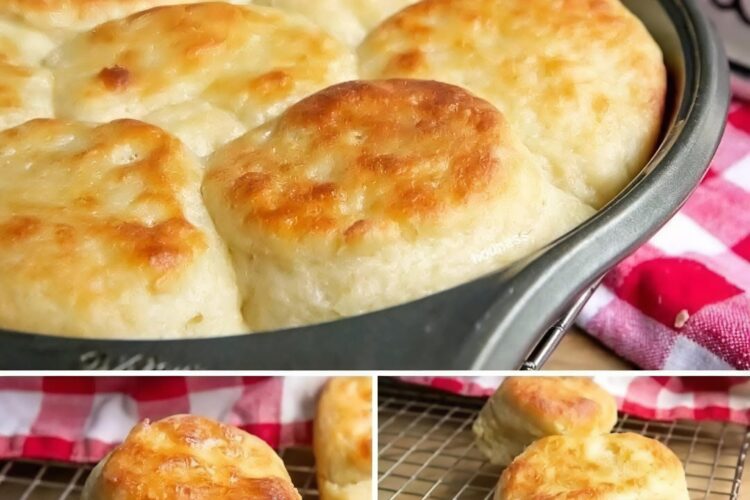
The Best Homemade Angel Biscuits (Sometimes Called Angels Cookies): Light, Fluffy Southern Comfort 🍞
There’s nothing quite like pulling a tray of golden, towering angel biscuits from the oven—the kind that fill your kitchen with that irresistible buttery, yeasty aroma and make everyone wander in asking, “What’s baking?” These aren’t your everyday drop biscuits. They’re a Southern classic, often nicknamed “angel biscuits” because they rise so high and light they seem almost heavenly. Growing up, I remember my grandma pulling these out for Sunday suppers or holiday mornings, splitting them open while still steaming and slathering them with butter or jam. The combination of tender crumb from buttermilk and a gentle lift from yeast makes them fluffier and more flavorful than standard biscuits. They’re comforting, nostalgic, and surprisingly simple to make at home—no fancy equipment needed. If you’ve ever wanted a biscuit that tastes like a cross between a classic buttermilk biscuit and a soft dinner roll, this is it. Let’s get baking.
Why This Recipe Works (and Why It’s a Favorite in American Homes)
Angel biscuits have been a staple in Southern and Midwestern kitchens for generations because they deliver consistent, sky-high rise without the guesswork of pure yeast rolls. The yeast gives them extra lift and that signature soft texture, while the buttermilk adds tangy tenderness and the cold butter creates those irresistible flaky layers. They’re popular for everything from weeknight dinners to potlucks, Thanksgiving tables, and lazy weekend brunches. Home cooks love them because they use pantry staples, freeze beautifully, and taste like they came from a country bakery. Plus, they’re forgiving—even beginners get great results.
Ingredients 🍯
Here’s everything you need, with U.S. measurements and explanations for why each plays its part:
- 1/2 cup hot water (100 to 110°F): Warm (not hot!) water activates the yeast without killing it. Too hot and the yeast dies; too cool and it won’t proof properly.
- 1 (1/4-ounce) package active dry yeast (about 2¼ teaspoons): The star leavener here. It gives the biscuits their light, airy rise and that subtle yeasty flavor that sets angel biscuits apart from regular ones.
- 1 teaspoon sugar: Feeds the yeast to help it activate and proof quickly. You’ll see it bubble and foam—that’s how you know it’s alive and ready.
- 5½ cups White Lily yeast flour (or all-purpose flour; White Lily preferred for Southern tenderness): The base of the dough. White Lily’s soft winter wheat makes ultra-tender biscuits. If using regular all-purpose, handle gently to avoid toughness.
- 1/4 cup granulated sugar: Adds a touch of sweetness to balance the tang of buttermilk and enhance browning.
- 3/4 teaspoon salt: Brings out all the flavors and strengthens the gluten for better structure.
- 1/2 cup cold butter, cubed (keep it very cold): Creates flaky layers as the butter melts and steams during baking. Cold is key—warm butter won’t create pockets of flakiness.
- 2 cups cold buttermilk: Provides moisture, tenderness, and a mild tang. The acidity reacts with the dough for lift and flavor. Shake the carton well before measuring.
- 1/4 cup melted butter (for brushing): Gives the tops a golden, buttery finish and extra richness right out of the oven.
Yields: About 12–15 biscuits (depending on cutter size)
Prep time: 20 minutes active + 45–60 minutes rise
Bake time: 12–15 minutes
Step-by-Step Instructions
- Proof the yeast 🔥: In a small bowl, combine the 1/2 cup warm water (100–110°F) and 1 teaspoon sugar. Sprinkle the yeast over the top and stir gently. Let it sit 5–10 minutes until foamy and bubbly. If it doesn’t foam, your yeast is inactive—start over with fresh yeast.
- Mix the dry ingredients: In a large mixing bowl, whisk together the 5½ cups flour, 1/4 cup sugar, and 3/4 teaspoon salt.
- Cut in the butter 🧈: Add the cubed cold butter to the flour mixture. Use a pastry cutter, two forks, or your fingertips to work the butter in until the mixture looks like coarse crumbs with pea-sized butter pieces. Work quickly to keep everything cold—this is what makes the layers flaky.
- Form the dough: Make a well in the center of the dry ingredients. Pour in the proofed yeast mixture and the 2 cups cold buttermilk. Stir with a wooden spoon or spatula just until a shaggy dough forms and no dry flour remains. Don’t overmix.
- Knead lightly: Turn the dough onto a lightly floured surface. Knead gently 4–6 times, just until smooth and cohesive. Overkneading makes tough biscuits—handle minimally.
- Roll and cut 🍪: Pat or roll the dough to about ¾–1 inch thick. Dip a 2–2½-inch round biscuit cutter in flour, then cut straight down (no twisting—this seals edges and prevents rising). Gather scraps, gently re-pat, and cut more biscuits. Place them close together on a parchment-lined or lightly greased baking sheet (touching helps them rise taller).
- Let them rise: Cover loosely with a clean towel or plastic wrap. Place in a warm, draft-free spot (like near a warm oven or in a turned-off oven with the light on). Let rise 45–60 minutes until puffy and nearly doubled.
- Bake 🔥: Preheat oven to 400°F during the last 15 minutes of rising. Bake 12–15 minutes until golden brown on top. Rotate the sheet halfway if needed for even browning.
- Finish: Remove from oven and immediately brush tops generously with the 1/4 cup melted butter. Let cool slightly on the pan.
Practical Tips, Substitutions, and Variations
- For taller biscuits: Place them snugly together on the sheet—they support each other as they rise.
- Flour substitution: If you can’t find White Lily, use all-purpose, but spoon and level to avoid dense biscuits. Bread flour makes them chewier—not ideal here.
- Buttermilk swap: No buttermilk? Mix 2 cups milk with 2 tablespoons lemon juice or vinegar; let sit 5 minutes.
- Make-ahead: Prepare dough through step 5, wrap tightly, and refrigerate up to 2 days. Bring to room temp, roll, cut, rise, and bake.
- Freezer-friendly: Freeze cut, unbaked biscuits on a sheet, then transfer to a bag. Bake from frozen—add 3–5 minutes.
- Variations: Add ½ cup shredded cheddar for cheesy biscuits, or brush with garlic butter for dinner rolls.
Serving Suggestions
Serve these warm straight from the oven—they’re perfect split and buttered, or topped with honey, jam, or sorghum syrup. Pair with fried chicken, sausage gravy, or eggs for breakfast; pot roast or ham for dinner; or chili for game day. They shine at holidays, potlucks, or family gatherings—always a crowd-pleaser.
These homemade angel biscuits are proof that simple ingredients and a little patience create something truly special. They’re not fussy or complicated, just honest, homemade goodness that tastes like comfort on a plate. Give them a try the next time you crave something warm and fluffy—you’ll see why they’ve earned their “angel” status in kitchens across America. Enjoy every tender bite!