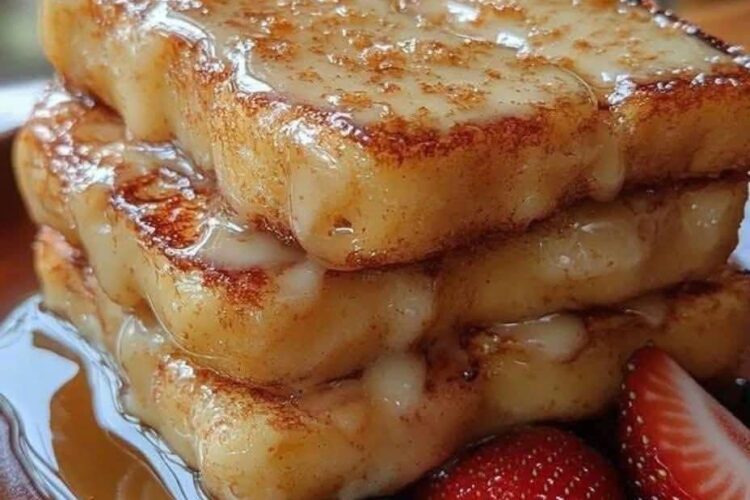
Indulge in the Ultimate French Toast: A Breakfast Classic That’s Irresistibly Golden and Decadent
Imagine waking up to the aroma of warm cinnamon swirling through your kitchen, mingled with the sweet scent of vanilla and freshly toasted bread. That’s the magic of French toast – a timeless breakfast delight that’s crispy on the outside, fluffy on the inside, and soaked in a custard-like batter that transforms ordinary bread into something extraordinary. Whether you’re whipping it up for a lazy weekend brunch, a special family gathering, or even a quick weekday treat, this French toast recipe is irresistible because it strikes the perfect balance between simplicity and indulgence. With just a handful of pantry staples, you can create a dish that’s comforting, nostalgic, and endlessly customizable. It’s no wonder French toast has been a beloved staple in kitchens worldwide, from cozy American diners to elegant French bistros. Dive into this detailed guide to master the art of making perfect French toast every time, and discover why it’s the ultimate crowd-pleaser that outshines pancakes or waffles in flavor and texture.
What makes this French toast so special? It’s all about the technique – soaking the bread just right to achieve that custardy center without sogginess, and frying it to golden perfection. Plus, it’s versatile: top it with fresh berries for a fruity twist, drizzle with maple syrup for classic sweetness, or add a dollop of whipped cream for extra decadence. If you’re searching for the best French toast recipe, you’ve come to the right place. This version is optimized for flavor, ease, and that wow factor that will have everyone asking for seconds.
Essential Ingredients for French Toast: Breakdown and Roles
To make this French toast for 4 servings (about 8-10 slices), you’ll need high-quality ingredients that each play a crucial role in building layers of flavor and texture. Here’s a detailed list with explanations:
- 8 slices of thick-cut bread (like brioche, challah, or Texas toast): The foundation of your French toast. Thick slices prevent sogginess by absorbing the batter without falling apart. Brioche or challah adds a rich, buttery flavor and tender crumb, elevating the dish from basic to gourmet. Avoid thin or fresh bread, as it can become mushy.
- 4 large eggs: These act as the binder in the custard batter, providing structure and richness. Eggs help create that creamy, custardy interior while ensuring the exterior crisps up beautifully during frying. For a vegan twist, you could substitute with flax eggs, but traditional eggs yield the fluffiest results.
- 1 cup of whole milk (or half-and-half for extra creaminess): The liquid base that thins the batter and infuses moisture. Whole milk adds a subtle sweetness and creaminess, making the French toast soft and indulgent. Using dairy alternatives like almond or oat milk works for lactose-free versions, but whole milk enhances the classic taste.
- 2 tablespoons of granulated sugar: Sweetens the batter subtly, balancing the savory notes from the bread and eggs. It caramelizes slightly during cooking, contributing to the golden crust and preventing the dish from tasting bland.
- 1 teaspoon of pure vanilla extract: Infuses a warm, aromatic depth that makes French toast feel luxurious. Vanilla enhances the overall flavor profile, evoking bakery-fresh goodness and masking any eggy taste.
- 1 teaspoon of ground cinnamon: The star spice that gives French toast its signature warmth and cozy appeal. Cinnamon adds a subtle heat and earthiness, complementing the sweetness and making each bite addictive.
- 1/4 teaspoon of salt: A pinch enhances all other flavors, preventing the batter from tasting flat. It balances sweetness and brings out the natural tastes of the eggs and milk.
- 2 tablespoons of unsalted butter (for frying): Provides a rich, golden sear and prevents sticking. Butter adds a nutty flavor as it browns, far superior to oil for that authentic French toast taste.
- Optional add-ins: A dash of nutmeg for extra warmth, or orange zest for a citrusy brightness – these enhance customization without overpowering the base.
These ingredients come together to create a harmonious blend: the eggs and milk form a silky custard, spices add aroma, and bread absorbs it all for the perfect texture. Sourcing fresh, high-quality items ensures your French toast stands out.
Step-by-Step Instructions: How to Make Perfect French Toast
Follow these clear, easy-to-follow steps to prepare French toast like a pro. Prep time is about 10 minutes, cook time 15-20 minutes – total under 30 minutes!
- Prepare the batter: In a large, shallow bowl, whisk together the 4 eggs until well beaten. Add the 1 cup of milk, 2 tablespoons of sugar, 1 teaspoon of vanilla extract, 1 teaspoon of ground cinnamon, and 1/4 teaspoon of salt. Whisk vigorously for 1-2 minutes until the mixture is smooth and frothy. This step ensures even distribution of flavors and a light, airy batter that coats the bread perfectly.
- Heat the pan: Place a large non-stick skillet or griddle over medium heat. Add 1 tablespoon of butter and let it melt, swirling to coat the surface evenly. The butter should sizzle gently but not smoke – this creates the ideal frying temperature for a crispy exterior without burning.
- Soak the bread: Dip one slice of bread into the batter, submerging both sides for about 20-30 seconds. Don’t oversoak, or it will become too soggy. Let excess batter drip off before transferring to the pan. Repeat with 2-3 slices at a time, depending on your pan size, to avoid overcrowding.
- Fry to golden perfection: Cook the soaked bread for 2-3 minutes per side, or until golden brown and crispy. Flip gently with a spatula. If the pan dries out, add more butter between batches. The key here is medium heat – too high, and it burns; too low, and it steams instead of crisps.
- Keep warm: Transfer cooked French toast to a baking sheet in a preheated 200°F (93°C) oven to stay warm and crisp while you finish the rest. This prevents the first batches from cooling and ensures even serving.
- Repeat and serve: Continue dipping, frying, and warming until all slices are done. Dust with powdered sugar if desired, and serve immediately for the best texture.
These steps are foolproof, making French toast accessible even for beginners. The result? A dish that’s crispy-edged, soft-centered, and bursting with flavor.
Why This French Toast Recipe is Loved Worldwide, Plus Pro Tips for Mastery
French toast is adored for its comforting nostalgia – it’s like a hug on a plate, evoking childhood memories while being sophisticated enough for adults. It’s budget-friendly, uses up stale bread (a clever anti-waste hack), and adapts to dietary needs (gluten-free bread for celiacs, plant-based milks for vegans). Families love it because kids devour it, and it’s quick for busy mornings. Foodies appreciate the endless variations: stuffed with cream cheese for decadence or topped with nuts for crunch.
To perfect your French toast, here are expert pro tips:
- Use day-old bread: Fresher bread absorbs too much batter; slightly stale ensures ideal texture.
- Don’t skip the soak time: 20-30 seconds per side is key – too short, and it’s dry; too long, mushy.
- Customize spices: Add nutmeg or cardamom for a gourmet twist.
- Avoid high heat: Medium ensures even cooking without charring.
- Make ahead: Prep batter the night before for quicker mornings.
- Healthier swap: Use whole-grain bread and reduce sugar for a nutritious boost.
- Common mistake fix: If it’s soggy, pat bread dry before dipping or use thicker slices.
These tips elevate your French toast from good to unforgettable.
Serving Suggestions: Elevate Your French Toast Meal
Pair your French toast with toppings and sides for a complete feast. Drizzle with pure maple syrup or honey for sweetness, sprinkle fresh berries (strawberries, blueberries) for tartness, or add sliced bananas and nuts for texture. For indulgence, top with whipped cream or yogurt. Serve alongside crispy bacon or sausage for savory contrast, fresh fruit salad for lightness, or scrambled eggs for protein. Beverage-wise, hot coffee, orange juice, or a mimosa complements perfectly. For dinner twists, try savory French toast with cheese and herbs.
The Simplicity and Deliciousness of Homemade French Toast: Why You Need to Try It Now
In a world of complicated recipes, this French toast shines with its effortless elegance – ready in under 30 minutes with everyday ingredients, yet delivering restaurant-quality results that wow every time. Whether you’re a novice cook or seasoned chef, its golden crispiness, custardy heart, and warm spices make it irresistibly delicious and versatile. Forget bland breakfasts; this easy French toast recipe is your gateway to flavor-packed mornings that nourish body and soul. With exceptional quality that surpasses generic online guides, this detailed blueprint ensures success, encouraging you to experiment and create memories around the table. Dive in, savor the simplicity, and let this classic become your new favorite – because nothing beats the joy of homemade French toast.