Introduction
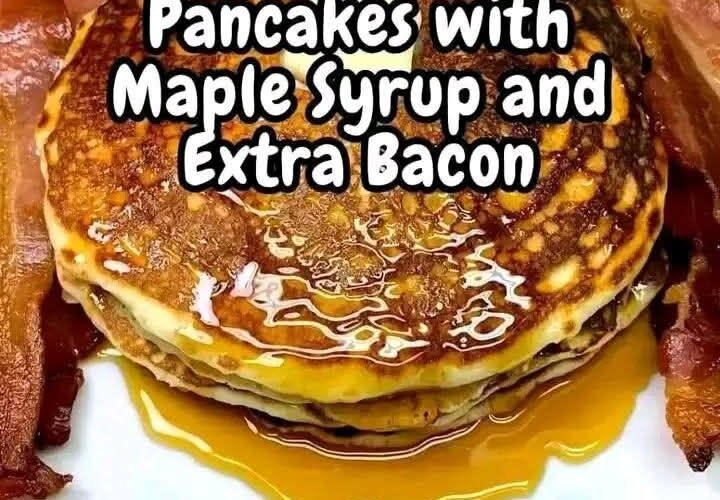
Pancakes are more than just a breakfast food—they are a universal comfort, a canvas for creativity, and a food with a history as rich as its flavor. This compendium is your complete guide to mastering the classic pancake, from its ancient origins to the perfect flip. We’ll explore not just a recipe, but the story, science, and soul of this beloved dish.
Ingredients
For the Pancakes:
· 2 cups (250g) all-purpose flour
· 2 tablespoons (25g) granulated sugar
· 2 teaspoons (10g) baking powder
· 1/2 teaspoon baking soda
· 1 teaspoon fine salt
· 1 3/4 cups (414ml) buttermilk (or whole milk)
· 2 large eggs, at room temperature
· 1/4 cup (57g) unsalted butter, melted and cooled (plus more for cooking)
· 1 teaspoon pure vanilla extract (optional)
Classic Toppings & Add-Ins:
· Pure maple syrup
· Fresh berries (blueberries, strawberries)
· Sliced bananas
· Chocolate chips
· Chopped nuts (pecans, walnuts)
· Whipped cream
· Butter
Historical Formation: A Brief History
Pancakes are arguably one of the oldest prepared foods. Evidence of grain-based flat cakes exists from over 30,000 years ago in the stomachs of ancient hunters. The Greeks and Romans made early versions with wheat flour, olive oil, honey, and curdled milk. The word “pancake” itself appears in English in the 15th century, but every culture has its own iteration: French crêpes, Russian blini, Ethiopian injera, Indian dosa. The light, fluffy pancake we know today emerged with the advent of chemical leaveners like baking powder in the 19th century, transforming it into a staple of the modern breakfast table.
The Method: Step-by-Step Instructions
- The Dry Whisk:
In a large mixing bowl, thoroughly whisk together the flour, sugar, baking powder, baking soda, and salt. This aerates the dry ingredients and ensures even distribution of the leavening agents. - The Wet Mix:
In a separate bowl or large jug, whisk the buttermilk, eggs, melted butter, and vanilla (if using) until completely combined. The buttermilk’s acidity reacts with the baking soda, creating bubbles for lift and tenderness. - The Critical Combine:
Create a well in the center of the dry ingredients. Pour the wet mixture into the well. Using a wooden spoon or spatula, gently fold the ingredients together. Stop stirring when the flour is just moistened. The batter should be lumpy and thick, not smooth. Overmixing develops gluten, leading to tough, chewy pancakes. Let the batter rest for 5-10 minutes. This allows the leaveners to activate and the flour hydrates fully. - The Perfect Cook:
Heat a griddle or large non-stick skillet over medium heat (around 350°F/175°C). Test by sprinkling a few drops of water; they should dance and evaporate quickly. Lightly grease the surface with butter or neutral oil.
For each pancake, ladle about 1/4 cup of batter onto the hot surface. Cook until bubbles form on the surface and the edges look set and slightly dry, about 2-3 minutes.
- The Confident Flip:
Slide a thin, wide spatula completely under the pancake. Lift and flip it in one confident, swift motion. Do not press down. Cook for another 1-2 minutes on the second side, until golden brown and cooked through. - Serve Immediately:
Keep cooked pancakes warm on a baking sheet in a 200°F (95°C) oven while you finish the batch. Serve stacks hot with your chosen toppings.
Nutritional Benefits & Profile
Pancakes, when prepared thoughtfully, offer more than just empty carbs:
· Energy: The carbohydrates from flour provide a quick source of energy.
· Protein & Calcium: Eggs and buttermilk contribute protein for muscle repair and calcium for bone health.
· Customizable Nutrition: Adding blueberries offers antioxidants; using whole-wheat flour increases fiber; nuts provide healthy fats and protein.
· Moderation is Key: Be mindful of portion sizes and high-sugar toppings. The base recipe is a platform for nutritious creativity.
Approximate Nutrition Per Pancake (1/12 of recipe, without toppings):
Calories: ~140 | Carbs: 20g | Protein: 4g | Fat: 5g | Saturated Fat: 3g | Fiber: 1g | Sugar: 3g
For the Pancake Lovers: Variations & Ideas
Elevate your pancake game with these inspired twists:
· Lemon Blueberry: Add the zest of one lemon to the wet ingredients and fold in 1 cup fresh blueberries.
· Chocolate Chip Bliss: Sprinkle 1/2 cup semi-sweet chips onto each pancake right after pouring the batter.
· Banana Nut: Fold 1 mashed ripe banana and 1/2 cup chopped walnuts into the batter.
· Savory Herbed: Omit the sugar and vanilla. Fold in 1/2 cup shredded cheddar, 2 tbsp chopped chives, and freshly cracked black pepper. Serve with sour cream and salsa.
· Oatmeal & Spice: Substitute 1/2 cup of flour with rolled oats and add 1 tsp cinnamon and 1/4 tsp nutmeg.
Conclusion: The Joy of the Simple Stack
The humble pancake is a testament to the joy of simple, well-made food. It’s a dish that connects us to history, sparks creativity in the kitchen, and brings people together around the table. Whether you’re a weekend warrior making a towering stack for the family or a solo cook perfecting your flip, the process is as rewarding as the result. It’s not just about flour and eggs; it’s about the sizzle of batter on a hot griddle, the anticipation of that first golden-brown flip, and the shared pleasure of a meal made with care