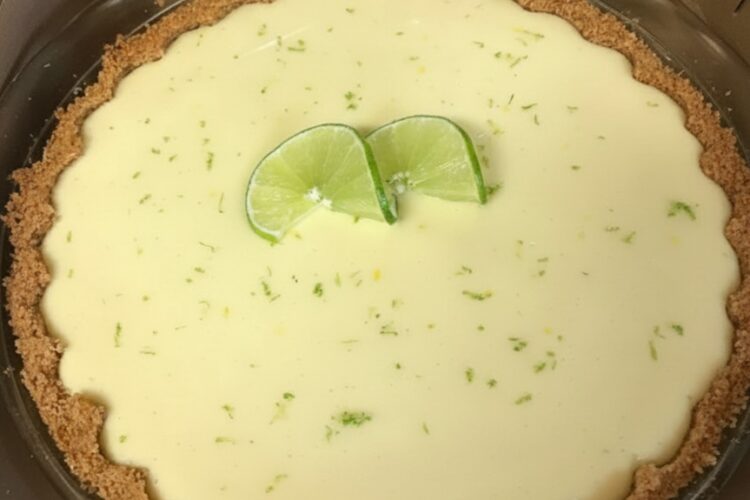
Introduction to Key Lime Pie
Imagine a dessert that captures the essence of a tropical paradise: bright, tangy citrus cutting through creamy sweetness, all nestled in a buttery, crumbly crust. That’s Key Lime Pie, an iconic American treat synonymous with sunshine, the Florida Keys, and pure refreshment.
Originating in the late 19th or early 20th century in Key West, Florida, this pie was born from necessity and ingenuity. With no fresh milk or reliable refrigeration available in the isolated Keys until the 1930s, resourceful cooks turned to shelf-stable sweetened condensed milk—paired with the abundant, aromatic juice of local Key limes and egg yolks. The result? A no-bake (originally) custard that thickens magically from the acid in the lime juice reacting with the other ingredients.
Key limes themselves are small, yellow-tinged fruits (not green like Persian limes) with a more floral, intensely tart flavor that gives the authentic pie its signature pale yellow hue—never artificially green!
Today, Florida’s official state pie (since 2006) is typically baked briefly for safety and topped with whipped cream or meringue. Simple yet sublime, Key Lime Pie remains a beloved symbol of laid-back coastal bliss.
How to Store Key Lime Pie
Cover the cooled Key lime pie tightly with storage wrap or foil. Store in the refrigerator for up to three days. Serve chilled.
Can You Freeze Key Lime Pie?
Yes! You can freeze Key lime pie for up to three months (but make sure you don’t add whipped cream or toppings until after it’s thawed). If you plan to freeze the pie, bake it in a foil pan. Wrap the cooled pie in at least one layer of storage wrap, then follow it up with at least one layer of foil. Thaw in the refrigerator overnight.
Ingredients
- 3 cups sweetened condensed milk
- ¾ cup key lime juice
- ½ cup sour cream
- 1 tablespoon grated lime zest
- 1 (9 inch) prepared graham cracker crust
How To Make Key Lime Pie
- Preheat the oven to 350 degrees F (175 degrees C).
- Combine condensed milk, key lime juice, sour cream, and lime zest in a bowl; mix well. Pour into graham cracker crust; place pie on a baking sheet.
- Bake in the preheated oven for 5 to 8 minutes, until tiny pinhole bubbles burst on the surface of the pie. The filling will be wobbly but not browned.
- Transfer pie to a wire rack to cool, then thoroughly chill pie in the refrigerator before serving, about 1 hour. Garnish with lime slices and whipped cream, if desired.
Conclusion
In the end, Key Lime Pie isn’t just a dessert—it’s a slice of history, a burst of tropical sunshine, and a testament to simple ingredients creating extraordinary flavor. From its humble origins in the Florida Keys to its status as a beloved classic worldwide, this pie reminds us that the best things in life often come from innovation born of limitation. With its perfect balance of tart, sweet, and creamy, it delivers pure joy in every bite, evoking lazy summer days and coastal breezes no matter where you are.
Recommendation
If you’re craving an authentic experience, seek out a bakery or restaurant in the Florida Keys—places like Kermit’s Key West Key Lime Shoppe or Blue Heaven in Key West serve versions that stay true to tradition. At home, use real Key lime juice (bottled is fine if fresh isn’t available) for that unmistakable tang, and opt for a graham cracker crust to keep it classic. Whether topped with billowy meringue or clouds of whipped cream, chill it well and serve cold for maximum refreshment. It’s surprisingly easy to make and always impresses!
Embracing Healthful Indulgence
While Key Lime Pie isn’t a health food, it can absolutely fit into a balanced lifestyle as a mindful treat. The fresh lime juice provides a dose of vitamin C and antioxidants, and using egg yolks adds protein and healthy fats. For lighter versions, try Greek yogurt in the filling or a nut-based crust to boost nutrition without sacrificing taste. The key is moderation: savor a small slice slowly, pairing it with fresh fruit or herbal tea. Indulgence doesn’t have to mean guilt—embrace it as a delightful reward that nourishes the soul as much as the body.