Apple Earthquake Cake: A Delightful Twist on a Classic Dessert
Introduction
The Apple Earthquake Cake is a mesmerizing dessert that combines the comforting flavors of autumn with the unexpected thrill of a baking adventure. Imagine a cake that not only tantalizes your taste buds with the sweet-tart essence of fresh apples but also creates a visual spectacle as it bakes, cracking and swirling like the earth during a seismic shift. This cake, born from the ingenious world of dump cakes and easy bakes, promises a gooey, creamy interior contrasted against a nutty base, making it an ideal treat for family gatherings, holiday celebrations, or simply a cozy evening at home. As you dive into each bite, the harmonious blend of cinnamon-spiced cake batter, pockets of velvety cream cheese, and crunchy walnuts transports you to a realm where indulgence meets simplicity. What makes this cake truly special is its forgiving nature—perfect for novice bakers yet impressive enough to wow seasoned cooks. In this comprehensive guide, we’ll explore every facet of this delectable creation, from its humble beginnings to tips that ensure your baking success, all while embracing the joy of healthful indulgence in a world often dominated by overly processed sweets.
This dessert stands out in the crowded landscape of apple-based treats, offering a unique texture that defies traditional cake norms. Unlike a standard apple pie or crisp, the Apple Earthquake Cake features layers that shift and settle during baking, resulting in a landscape of flavors that surprises with every forkful. The name “earthquake” isn’t just a whimsical moniker; it reflects the dramatic transformation in the oven, where the cream cheese mixture sinks and swirls, creating fissures that reveal hidden treasures of apple chunks and spices. As we delve deeper, you’ll discover how this cake encapsulates the essence of seasonal baking, drawing on fresh produce to elevate a boxed mix into something extraordinary. Whether you’re a fan of classic comfort foods or seeking a new twist on old favorites, this cake invites you to experience the magic of home baking in its most delightful form.
Beyond its sensory appeal, the Apple Earthquake Cake represents a bridge between tradition and innovation in the kitchen. It’s a recipe that encourages experimentation while honoring time-tested techniques, making it accessible to all. In the following sections, we’ll unpack its origins, ingredients, and more, providing you with the tools to recreate this masterpiece in your own home. Prepare to embark on a journey that not only satisfies your sweet tooth but also enriches your understanding of dessert culture.
Origin and Cultural Significance
The origins of the Earthquake Cake can be traced back to the mid-20th century in American home kitchens, where resourceful cooks sought ways to create impressive desserts with minimal effort. Emerging in the 1970s and 1980s, during a boom in convenience cooking spurred by the popularity of boxed cake mixes, the classic Earthquake Cake—typically featuring German chocolate, coconut, and pecans—became a staple at potlucks, church suppers, and family reunions across the Southern United States. Its name derives from the dramatic cracking and shifting that occurs as the cake bakes, mimicking the unpredictable movements of an earthquake, a phenomenon that delighted bakers and eaters alike. This style of “dump cake” reflected the era’s emphasis on efficiency, allowing busy homemakers to produce crowd-pleasing treats without intricate techniques or exotic ingredients. Over time, variations proliferated, adapting to regional tastes and seasonal availability, leading to innovative twists like the apple version we celebrate today.
Culturally, the Earthquake Cake holds a special place in American dessert lore as a symbol of communal sharing and unpretentious joy. In the South, where hospitality is paramount, such cakes were often prepared for social events, embodying the spirit of generosity and warmth. The apple adaptation likely arose in the 2000s or later, influenced by the growing farm-to-table movement and a renewed interest in incorporating fresh fruits into baked goods. Apples, with their deep roots in American agriculture—from Johnny Appleseed’s legendary exploits to the orchards of New England and the Midwest—add a layer of cultural resonance, evoking images of harvest festivals and autumnal traditions. This version transforms the original’s tropical notes into a cozy, spice-infused delight, aligning with holidays like Thanksgiving and Halloween, where apple desserts reign supreme. Globally, similar concepts appear in other cultures; for instance, European fruit cakes or Middle Eastern nut-filled pastries share the idea of layered, textured bakes, but the Earthquake Cake’s playful name and easy preparation make it uniquely American.
As society evolves, the cultural significance of the Apple Earthquake Cake extends to themes of sustainability and health-conscious eating. By featuring fresh apples, it encourages the use of local, seasonal produce, reducing the carbon footprint associated with imported ingredients. In modern kitchens, it’s a bridge to teaching younger generations about baking heritage, fostering family bonds through shared creation. Moreover, in a world grappling with dietary trends, this cake represents balance—indulgent yet incorporating nutrient-rich fruits—mirroring broader cultural shifts toward mindful consumption. Its enduring popularity on social media platforms, where viral recipes showcase creative spins, underscores its role in contemporary food culture, blending nostalgia with innovation.
The cake’s adaptability has allowed it to transcend regional boundaries, appearing in cookbooks, blogs, and even international adaptations. For example, in Canada, where apples are abundant, similar recipes incorporate local varieties like McIntosh or Honeycrisp, enhancing national pride in produce. In educational settings, it’s used to illustrate baking science, such as how leavening agents cause the “earthquake” effect. Ultimately, the Apple Earthquake Cake isn’t just a dessert; it’s a cultural artifact that tells stories of ingenuity, community, and the simple pleasures of life.
Ingredients Quantity
To craft the perfect Apple Earthquake Cake, gathering the right ingredients in precise quantities is essential for achieving that signature balance of flavors and textures. Start with 1 cup of walnuts, roughly chopped, which provide a crunchy foundation and nutty depth, totaling about 4 ounces or 113 grams for those measuring by weight. Next, the base relies on 1 (15.25 oz) box of yellow cake mix, approximately 432 grams, serving as the convenient canvas for our creation—its neutral flavor allows the apples and spices to shine. You’ll need 1 cup of water, or 240 milliliters, to hydrate the mix, ensuring a moist batter without overpowering other elements. Add 1/2 cup of vegetable or canola oil, equaling 120 milliliters, for richness and tenderness in the crumb.
Three large eggs are crucial, contributing structure and binding, with each egg weighing around 50-60 grams. Infuse warmth with 1 1/2 teaspoons of ground cinnamon, about 4 grams, and 1/2 teaspoon of ground cloves, roughly 1 gram, to evoke the essence of fall spices. The star ingredient, 1 1/2 cups of peeled and diced apples—approximately 200 grams or two medium apples—adds natural sweetness and moisture, preferably using tart varieties like Granny Smith for contrast. For the creamy swirl, incorporate 1 (8 oz) package of cream cheese, 226 grams, softened to room temperature for easy mixing. Complement it with 1/2 cup of butter, also softened, amounting to 113 grams or one stick, for a luxurious texture.
A teaspoon of vanilla extract, about 5 milliliters, enhances the overall aroma, while 2 cups of powdered sugar, roughly 240 grams, sweetens the cream cheese mixture to perfection. These quantities are calibrated for a 9×13-inch baking dish, yielding 12 generous servings. Sourcing high-quality ingredients, such as organic apples or unsalted butter, can elevate the final product, but the recipe’s forgiving nature accommodates standard pantry staples. Remember, precise measurement—using tools like digital scales for dry goods—ensures consistency, preventing a too-dense or overly sweet outcome.
In terms of substitutions, if walnuts are unavailable, measure equivalents like pecans in the same 1 cup volume. For the cake mix, ensure it’s yellow to maintain the light color that highlights the apple flecks. The spices can be adjusted slightly for personal taste, but sticking to these amounts preserves the authentic flavor profile. Overall, these ingredients come together in a symphony of simplicity and sophistication.
Optional Additions
While the core recipe for Apple Earthquake Cake is sublime on its own, incorporating optional additions can personalize and enhance the experience, turning a standard bake into a signature dish. Consider adding 1/2 cup of shredded coconut, about 40 grams, sprinkled over the walnuts for a tropical twist that contrasts the apple’s earthiness, evoking a fusion of flavors reminiscent of ambrosia salads. Another delightful option is 1 cup of chocolate chips, semi-sweet or milk, totaling 170 grams, folded into the batter or scattered on top before baking, introducing melty pockets that appeal to chocolate lovers. For a burst of tartness, include 1/2 cup of dried cranberries or raisins, plumped in warm water beforehand, to complement the apples and add chewy texture.
Nuts enthusiasts might opt for an additional 1/2 cup of pecans or almonds, chopped and mixed into the cream cheese swirl, providing extra crunch and nutty undertones. To amplify the spice profile, a pinch of nutmeg—1/4 teaspoon—or ginger can be stirred into the batter, enhancing the autumnal vibe without overwhelming the cloves and cinnamon. Fresh fruit variations, such as 1/2 cup of diced pears or berries, can be gently folded in, offering seasonal versatility and added moisture. For a gourmet touch, drizzle caramel sauce, about 1/4 cup, over the cream cheese dollops before swirling, creating gooey ribbons that caramelize during baking.
Dietary adaptations include gluten-free cake mix in the same quantity, ensuring the recipe remains inclusive. Vegan options might involve egg substitutes like flax eggs (1 tablespoon flaxseed meal per egg with water) and plant-based cream cheese and butter. These additions not only cater to preferences but also encourage creativity, making each bake unique. Experiment cautiously, as too many extras can alter the cake’s structure—start with one or two to maintain the earthquake effect.
Ultimately, optional additions allow the Apple Earthquake Cake to evolve with occasions, from festive holidays with added nuts to lighter summer versions with berries. They invite bakers to infuse personal stories, perhaps drawing from family traditions or regional ingredients.
Tips for Success
Achieving baking perfection with the Apple Earthquake Cake requires attention to detail, starting with ingredient preparation to ensure even cooking and optimal flavor integration. Always preheat your oven to 350°F well in advance, allowing it to stabilize for at least 15 minutes, as fluctuations can lead to uneven rising and cracking. Grease the 9×13-inch baking dish thoroughly with butter or non-stick spray, paying special attention to corners to prevent sticking, and consider lining with parchment for easy removal. When chopping walnuts, aim for uniform pieces to distribute crunch evenly, and toast them lightly for 5-7 minutes at 350°F to intensify their flavor without burning.
Mixing the batter demands care—beat the cake mix, water, oil, eggs, and spices on medium speed for exactly two minutes to incorporate air without overdeveloping gluten, which could toughen the texture. Fold in the diced apples gently with a spatula to avoid breaking them down, preserving distinct chunks for textural contrast. For the cream cheese mixture, ensure both cream cheese and butter are fully softened at room temperature for one hour, preventing lumps; beat until fluffy before adding vanilla and powdered sugar gradually to maintain smoothness. When dolloping and swirling, use a tablespoon for even distribution and a knife for gentle marbling—avoid over-swirling to keep defined pockets.
Baking time is critical: check at 45 minutes with a toothpick inserted in the cake portion (not cream cheese), which should emerge clean or with moist crumbs. If the top browns too quickly, tent with foil after 30 minutes. Cooling is non-negotiable—allow at least 30 minutes to set the structure, preventing collapse when slicing. Store leftovers in an airtight container at room temperature for up to two days or refrigerate for five, reheating slices briefly in the microwave for gooey revival.
Troubleshooting common issues: if the cake sinks, it may be underbaked—extend time by 5-minute increments. For a drier texture, reduce oil slightly next time. High-altitude bakers should increase oven temperature by 25°F and decrease baking time. These tips, honed from countless bakes, empower you to master this recipe with confidence.
Instructions
Begin by preheating your oven to 350°F, ensuring it’s fully heated before proceeding, as this sets the stage for the cake’s dramatic transformation. Lightly grease a 9×13-inch baking dish with butter or oil, coating all surfaces evenly to facilitate easy serving later. Sprinkle 1 cup of roughly chopped walnuts across the bottom of the dish in a single layer, creating a nutty base that will toast during baking and provide a delightful crunch.
In a large mixing bowl, combine the 15.25 oz box of yellow cake mix with 1 cup of water, 1/2 cup of vegetable or canola oil, 3 eggs, 1 1/2 teaspoons ground cinnamon, and 1/2 teaspoon ground cloves. Using an electric mixer on medium speed, blend these ingredients until smooth and well incorporated, about 2 minutes, scraping down the sides as needed for uniformity. Gently fold in 1 1/2 cups of peeled and diced apples with a spatula, distributing them evenly throughout the batter to ensure every slice has fruity bursts. Pour this batter carefully over the walnuts in the prepared dish, spreading it out with the spatula to cover the nuts completely without disturbing them too much.
Next, prepare the cream cheese swirl in a separate bowl by beating the 8 oz package of softened cream cheese, 1/2 cup softened butter, and 1 teaspoon vanilla extract until creamy and lump-free, approximately 1-2 minutes on medium speed. Gradually add 2 cups of powdered sugar, mixing on low to avoid a sugar cloud, then increase to medium until fully combined and fluffy. Dollop this mixture by spoonfuls over the cake batter, spacing them evenly across the surface. Using a knife or skewer, lightly swirl the cream cheese into the batter with figure-eight motions, creating marbled patterns without fully mixing to preserve distinct layers.
Place the dish in the preheated oven and bake for 45-50 minutes, rotating halfway through for even cooking, until a toothpick inserted into the cake (avoiding cream cheese areas) comes out clean. The top should appear golden with characteristic cracks, signaling the earthquake effect. Remove from the oven and allow the cake to cool in the dish for at least 30 minutes, letting the flavors meld and the structure firm up before slicing and serving warm or at room temperature.
Description
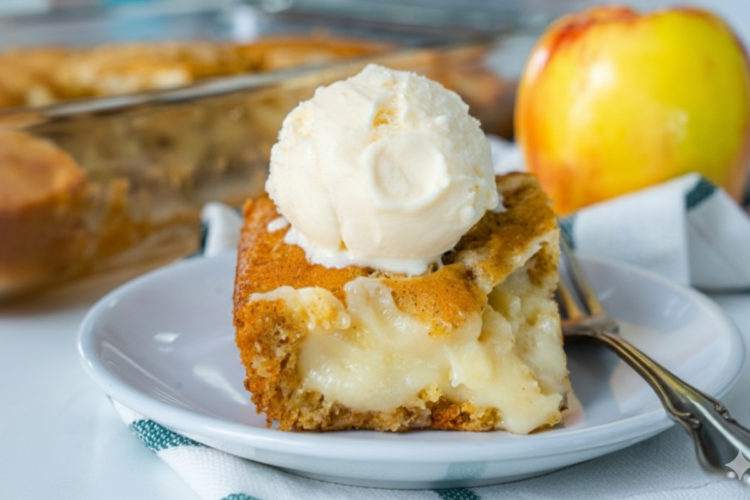
The Apple Earthquake Cake is a visual and sensory masterpiece, presenting a rustic, cracked surface that hints at the chaotic yet delicious interior beneath. Upon slicing, you’ll reveal a landscape of golden cake interspersed with creamy white swirls of sweetened cream cheese, dotted by tender apple pieces that have softened just enough to release their juices. The base layer of toasted walnuts adds a dark, crunchy contrast, while the overall aroma wafts notes of cinnamon and cloves, evoking a warm apple pie fresh from the oven. Each bite delivers a symphony of textures: the fluffy, spice-infused cake gives way to gooey cream cheese pockets and crisp nuts, with the apples providing a juicy, tart counterpoint to the sweetness.
In appearance, the cake emerges from the oven with a topography of fissures and rises, true to its name, often dusted lightly if you choose to add powdered sugar post-bake for an snowy effect. The colors range from deep amber edges to pale yellow interiors, accented by the green or red flecks of apple skins if left partially on. Flavor-wise, it’s a harmonious blend where the vanilla-kissed cream cheese tempers the boldness of the spices, and the walnuts ground the experience with earthy notes. This dessert’s versatility shines in serving—warm with vanilla ice cream for a melty indulgence or chilled for a firmer, cheesecake-like treat.
What sets it apart is its ability to evoke nostalgia while surprising the palate; it’s comfort food elevated, perfect for evoking fall memories or creating new ones. The description wouldn’t be complete without noting its crowd-pleasing nature—guests often marvel at the “magic” of its creation, making it a conversation starter at any table.
Nutritional Information
Estimating the nutritional profile of the Apple Earthquake Cake provides insight into its indulgent yet somewhat balanced nature, assuming 12 servings from a 9×13-inch pan. Each slice contains approximately 500 calories, derived primarily from the fats in oil, butter, cream cheese, and walnuts, alongside carbohydrates from the cake mix and sugar. Total fat per serving hovers around 28 grams, with 12 grams saturated from dairy sources, contributing to the rich mouthfeel but warranting moderation for those monitoring intake. Carbohydrates total about 55 grams per slice, including 35 grams of sugars from powdered sugar, cake mix, and natural apple fructose, providing quick energy but also a sweet profile.
Protein is modest at 6 grams per serving, boosted by eggs, walnuts, and cream cheese, offering some satiety. Fiber comes in at 2 grams, thanks to the apples and nuts, aiding digestion, while sodium is around 300 milligrams from the cake mix and cream cheese. Micronutrients shine with apples contributing vitamin C (about 5% daily value) for immune support, and walnuts providing omega-3 fatty acids (roughly 2 grams) for heart health. Cinnamon and cloves add trace antioxidants, enhancing the cake’s healthful appeal.
Compared to similar desserts, this version is lighter than traditional chocolate earthquake cakes due to the fruit addition, reducing overall density. For dietary adjustments, using low-fat cream cheese can drop calories to 450 per slice, or sugar substitutes like stevia-blended powdered sugar for lower carbs. Always consult labels for exact values, as brands vary, but this cake embodies moderation—enjoy as part of a balanced diet.
Conclusion
In wrapping up our exploration of the Apple Earthquake Cake, it’s clear this dessert is more than a recipe; it’s a celebration of baking’s joyful unpredictability. From its cracked, earthquake-like surface to the layers of flavor that unfold with each bite, it captures the essence of homey indulgence. We’ve journeyed through its origins, ingredients, and tips, equipping you to recreate this delight with confidence.
Ultimately, this cake reminds us that great food stems from simple ingredients transformed by care and creativity. Whether shared with loved ones or savored solo, it leaves a lasting impression of warmth and satisfaction.
Recommendation
I wholeheartedly recommend the Apple Earthquake Cake for anyone seeking an easy yet impressive dessert that shines in fall and winter gatherings. Ideal for potlucks, where its unique appearance sparks curiosity, or family dinners needing a sweet finale, it’s versatile enough for casual weeknights too. Pair it with hot cider or coffee for enhanced coziness, and consider gifting slices to neighbors as a thoughtful gesture.
For variations, try it at holidays like Thanksgiving, substituting pumpkin spice for cloves. Beginners will appreciate its forgiveness, while experts can experiment with additions. Overall, it’s a must-try for its blend of tradition and fun.
Embracing Healthful Indulgence
Embracing healthful indulgence with the Apple Earthquake Cake means savoring a treat that incorporates nutrient-dense elements without sacrificing decadence. The fresh apples provide vitamins, fiber, and antioxidants, promoting digestive health and adding natural sweetness that reduces reliance on refined sugars. Walnuts contribute heart-healthy fats and protein, making each bite more nourishing than typical desserts, while spices like cinnamon offer anti-inflammatory benefits.
This approach aligns with mindful eating, where enjoyment meets balance—portion control allows guilt-free pleasure. By using whole ingredients, it encourages a connection to seasonal produce, fostering sustainable habits. In essence, this cake exemplifies how indulgence can be healthful, enriching both body and soul.