Introduction
Italian drinking chocolate, known as “cioccolata calda” in its native tongue, is more than just a beverage—it’s a luxurious embrace of warmth and indulgence that has captivated palates across the globe. This thick, velvety concoction stands apart from the watery hot cocoas many are accustomed to, offering a rich, almost pudding-like consistency that feels like a hug in a mug. Originating from the heart of Italy, where food and drink are elevated to art forms, this drink embodies the Italian philosophy of savoring life’s simple pleasures with unapologetic decadence. Whether enjoyed on a crisp winter evening or as a midday treat, Italian drinking chocolate invites you to slow down, sip mindfully, and revel in its deep, chocolatey depths. In this blog post, we’ll dive into its history, cultural role, precise ingredients, creative additions, foolproof tips, step-by-step instructions, a vivid description, nutritional insights, and more, all while encouraging a balanced approach to healthful indulgence.
As we explore this delightful drink, you’ll discover how it transforms everyday ingredients into something extraordinary, blending tradition with modern twists. The allure lies in its simplicity yet sophistication—requiring just a handful of components but demanding attention to detail for that perfect texture. By the end, you’ll be equipped not only to make it at home but to appreciate its place in culinary heritage. So, grab your favorite mug, and let’s embark on this chocolatey journey that promises to warm your soul and tantalize your taste buds.
Italian drinking chocolate isn’t just about the flavor; it’s about the experience. Imagine curling up with a book, the steam rising from your cup carrying notes of pure cocoa bliss. This introduction sets the stage for understanding why this drink has endured through centuries, evolving while staying true to its roots. We’ll uncover layers of its story, from ancient beginnings to contemporary enjoyment, ensuring you leave with a newfound appreciation.
Origin and Cultural Significance
The origins of Italian drinking chocolate trace back to the ancient Mesoamerican civilizations, where cacao was first cultivated and consumed as a bitter, frothy drink by the Mayans and Aztecs around 1900 BCE. These early beverages were far from sweet, often spiced with chili and vanilla, and revered for their energizing properties in rituals and daily life. When Spanish explorers brought cacao to Europe in the 16th century, it quickly spread across the continent, but it was in Italy where it truly flourished into the decadent form we know today. Cities like Turin and Florence became hubs for chocolate innovation, with Italian chocolatiers refining techniques to create smoother, more indulgent versions. By the 17th century, cioccolata calda had become a staple in aristocratic circles, symbolizing luxury and sophistication.
Culturally, in Italy, this drink holds a special place as a social lubricant and a seasonal delight, particularly during the colder months. It’s not uncommon to find families gathering in historic cafes, such as Turin’s famous Baratti & Milano, where the air is thick with the aroma of melting chocolate. This beverage represents “la dolce vita”—the sweet life—emphasizing enjoyment without haste. In festivals like Carnevale or Christmas markets, cioccolata calda is served piping hot, often paired with pastries, fostering community and warmth amid winter’s chill. Its significance extends beyond taste; it’s a nod to Italy’s culinary heritage, where quality ingredients and mindful preparation are paramount.
Over time, Italian drinking chocolate has influenced global perceptions of hot chocolate, inspiring variations worldwide while maintaining its authentic thick texture as a benchmark. In modern culture, it’s celebrated in literature and film, evoking romance and comfort—think of scenes in Italian cinema where lovers share a cup under snowy skies. This drink also underscores Italy’s role in the slow food movement, promoting sustainable sourcing of cacao and local dairy. As globalization spreads its reach, cioccolata calda reminds us of the importance of preserving traditions in an ever-fast-paced world.
Ingredients Quantity
To craft an authentic Italian drinking chocolate for about four servings, you’ll need precise measurements to achieve that signature thickness and depth of flavor. Start with 3 cups of whole milk, divided—using 2 2/3 cups for the base and reserving 1/3 cup for the cornstarch slurry. This division ensures a smooth incorporation without lumps. Next, incorporate 1 ½ teaspoons of corn starch, which acts as the thickening agent, transforming the liquid into a luscious, spoonable consistency. For sweetness, 3 tablespoons of granulated sugar provide just the right balance, avoiding overpowering the natural bitterness of the cocoa.
The chocolate elements are crucial: 3 tablespoons of unsweetened cocoa powder deliver an intense, earthy base note, while a 4-ounce bar of high-quality dark chocolate, roughly chopped, melts in for richness and complexity. Opt for chocolate with at least 70% cacao content to capture the authentic Italian profile—brands like Valrhona or Lindt work wonderfully. These quantities are scaled for a medium batch, but they can be adjusted proportionally for smaller or larger groups. Remember, the quality of each ingredient shines through, so sourcing fresh, premium items is key to elevating the drink from good to sublime.
In terms of measurement tips, use level spoons for accuracy, and weigh the chocolate if possible for consistency. Whole milk is preferred for its creaminess, but substitutions like almond milk can be made for dietary needs, though they may alter the texture slightly. This list keeps things minimalistic, true to Italian simplicity, focusing on harmony rather than excess.
Optional Additions
While the core recipe for Italian drinking chocolate is elegantly simple, optional additions can personalize it, adding layers of flavor without straying from tradition. For a spicy kick, consider incorporating a pinch of cayenne pepper or chili flakes—about 1/8 teaspoon—echoing the ancient Mesoamerican roots and providing a subtle warmth that enhances the chocolate’s depth. Vanilla extract, around ½ teaspoon, can be stirred in during the final simmer for a floral aroma that rounds out the bitterness. If you crave nuttiness, a tablespoon of hazelnut spread like Nutella melts seamlessly, nodding to Italy’s famous gianduja chocolate from Turin.
For those seeking a boozy twist, a splash of liqueur such as 1-2 tablespoons of Amaretto or Frangelico per batch infuses an almond essence, perfect for adult gatherings. Fresh orange zest from one orange, grated finely, adds a citrus brightness that cuts through the richness, evoking Sicilian influences. Whipped cream as a topping is classic, but for flair, dollop with mascarpone cheese whipped with a bit of sugar for an Italianate creaminess. Marshmallows or cinnamon sticks can garnish, but use sparingly to maintain sophistication.
Experimenting with these additions allows for seasonal variations—think peppermint extract in winter or espresso powder for a mocha vibe. Always add them gradually, tasting as you go, to preserve the drink’s inherent balance. These options transform the basic recipe into a versatile canvas for creativity.
Tips for Success
Achieving the perfect Italian drinking chocolate hinges on technique and attention to detail, so here are some essential tips to ensure success every time. First, always use a heavy-bottomed saucepan to distribute heat evenly, preventing scorching—medium heat for warming the milk is ideal, avoiding a boil that could curdle it. Whisk continuously when adding mixtures to avoid lumps; a wire whisk is your best tool for incorporating the cornstarch slurry and cocoa smoothly. Patience is key—let the chocolate melt slowly on low heat for a glossy, uniform texture.
Quality matters immensely: select dark chocolate with high cacao content and fresh cocoa powder without additives for authentic flavor. If the mixture thickens too much, thin it with a splash of warm milk; conversely, if it’s too thin, simmer longer or add a touch more cornstarch dissolved in milk. For dairy-free versions, use full-fat plant milks like oat or coconut, but note they may require extra thickening. Prepare in advance if needed, but reheat gently with stirring to restore creaminess.
Common pitfalls include rushing the process—cook that extra minute after adding chocolate for full integration. Store leftovers in the fridge for up to two days, reheating on the stove rather than microwave to prevent separation. With these tips, you’ll master the art, turning a simple recipe into a repeatable delight.
Instructions
Begin by preparing the cornstarch slurry: in a small bowl, combine 1/3 cup of the whole milk with 1 ½ teaspoons of corn starch, whisking vigorously until fully dissolved and smooth, then set it aside for later use. This step is crucial for achieving the drink’s signature thickness without any graininess. Next, in a separate medium-sized bowl, mix together 3 tablespoons of granulated sugar and 3 tablespoons of unsweetened cocoa powder, stirring until evenly combined to break up any clumps in the cocoa.
Now, turn to the stove: in a medium-sized saucepan, pour in the remaining 2 2/3 cups of whole milk and heat it over medium flame, stirring occasionally, until it just begins to simmer with small bubbles forming around the edges—then immediately reduce the heat to low to maintain gentleness. While whisking continuously to ensure even incorporation, slowly pour in the reserved cornstarch mixture, followed by the cocoa-sugar blend, integrating each fully before adding the next for a lump-free base.
Finally, add the roughly chopped 4-ounce bar of high-quality dark chocolate to the saucepan, continuing to whisk until it melts completely and the mixture turns silky smooth—cook for an additional minute to let the flavors meld. Ladle the hot chocolate immediately into mugs for serving, and if desired, top with whipped cream or other garnishes. This process should take about 10-15 minutes total, yielding a decadent treat ready to enjoy.
Description
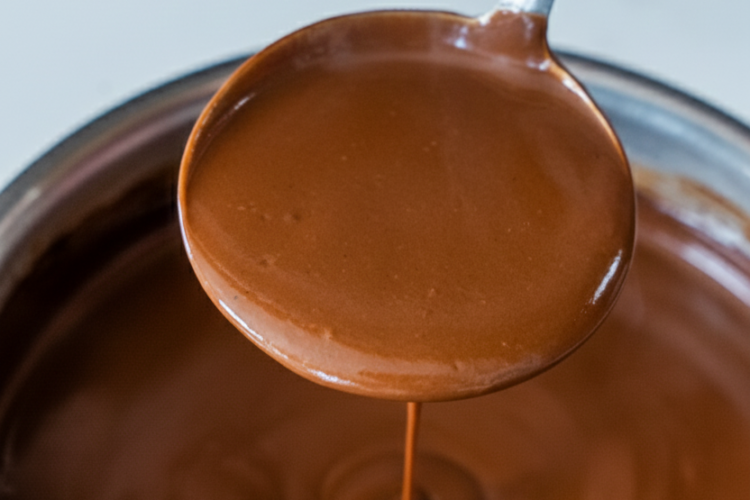
Italian drinking chocolate presents itself as a deep, mahogany-hued elixir, thick enough to coat a spoon yet fluid enough to sip slowly, with a surface that gleams under light like polished obsidian. Each mugful exudes an intoxicating aroma of pure cocoa, mingled with subtle milky sweetness, evoking memories of cozy Italian cafes. The texture is voluptuous—almost custard-like—clinging to the palate with a luxurious mouthfeel that lingers long after the sip.
Flavor-wise, it’s a symphony: the initial hit of bittersweet dark chocolate gives way to creamy undertones from the whole milk, balanced by just enough sugar to temper the intensity without masking the cacao’s natural earthiness. Optional spices or liqueurs can introduce warm, exotic notes, making each variation unique. Visually, it’s inviting, especially when topped with a swirl of whipped cream that melts gently, creating creamy rivulets.
In essence, this drink is comfort incarnate, perfect for solitary reflection or shared moments, its richness satisfying both body and spirit in every indulgent gulp.
Nutritional Information
A single serving of Italian drinking chocolate, based on the recipe yielding four portions, clocks in at approximately 250-300 calories, primarily from the whole milk and dark chocolate. The macronutrient breakdown includes about 15-20 grams of fat, with a good portion being heart-healthy monounsaturated fats from the cacao, alongside 30-35 grams of carbohydrates from the milk’s lactose and added sugar. Protein comes in at around 8-10 grams per serving, thanks to the milk’s natural content, making it a modestly nourishing option.
Micronutrients shine here: dark chocolate provides antioxidants like flavonoids, which support cardiovascular health, while cocoa powder offers magnesium for muscle function and iron for energy. A serving might deliver 10-15% of daily calcium needs from the milk, aiding bone health. However, watch the sugar—3 tablespoons total means about 10-12 grams per serving, which is moderate but can add up.
For variations, using low-fat milk reduces calories to 200 or so, while plant-based alternatives might lower saturated fats but alter nutrient profiles. Overall, enjoyed in moderation, this drink offers more than empty calories, blending pleasure with some healthful benefits.
Conclusion
In wrapping up our exploration of Italian drinking chocolate, we’ve journeyed from its ancient origins to the joyful act of preparation, appreciating its cultural depth and simple elegance. This beverage isn’t merely a drink; it’s a testament to Italy’s enduring love affair with quality and tradition, inviting us all to partake in its warmth. Whether you’re a novice or seasoned home cook, recreating cioccolata calda at home fosters a connection to global culinary history.
As seasons change, let this recipe become a staple in your repertoire, adaptable and always comforting. We’ve covered every angle—from ingredients to nutrition—empowering you to savor it mindfully. In conclusion, Italian drinking chocolate reminds us that true indulgence lies in balance and appreciation.
Recommendation
I wholeheartedly recommend trying Italian drinking chocolate for anyone seeking a step up from standard hot cocoa—its thickness and intensity make it a game-changer for winter evenings or special occasions. Pair it with biscotti or panettone for an authentic Italian experience, dipping for added delight. For beginners, start with the basic recipe before experimenting with additions like chili or liqueur to build confidence.
If you’re hosting, serve in small espresso cups to emphasize portion control and elegance. Brands like Ghirardelli for chocolate ensure success without breaking the bank. Overall, this is a must-try for chocolate lovers—simple, satisfying, and supremely shareable.
Embracing Healthful Indulgence
Embracing healthful indulgence with Italian drinking chocolate means savoring it as part of a balanced lifestyle, where treats enhance well-being rather than detract from it. By using high-quality dark chocolate, you’re incorporating antioxidants that combat inflammation and boost mood through endorphin release. Pairing it with mindful portions—perhaps sharing a batch—prevents overindulgence while maximizing enjoyment.
Consider it a ritual: prepare slowly, sip thoughtfully, and notice how it nourishes the soul alongside the body. Substitutions like reduced sugar or plant milks allow for dietary alignment, making indulgence inclusive. In a world of extremes, this drink teaches moderation—rich flavors in small measures yield greater satisfaction.
Ultimately, healthful indulgence is about joy without guilt; let Italian drinking chocolate be your gateway to that harmonious approach, blending tradition with personal wellness for lasting fulfillment.