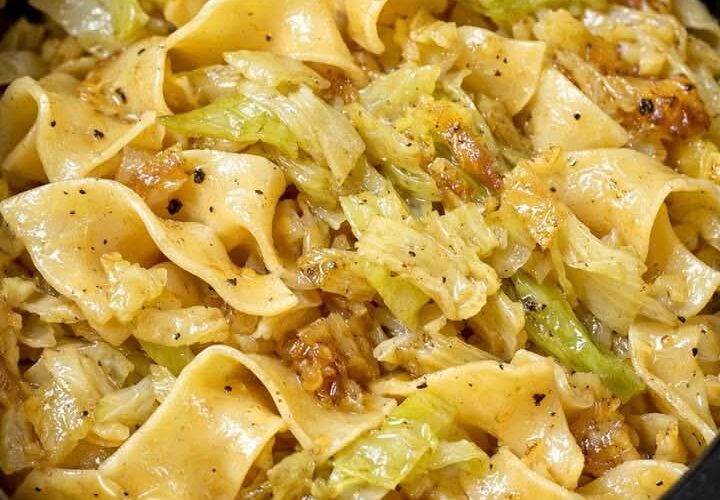
🥬🧈 Amish Cabbage Noodles (Buttery Comfort Food Classic)
If you’re searching for a simple, budget-friendly comfort meal that delivers incredible flavor with just a few ingredients, Amish Cabbage Noodles might become your new favorite dish. This old-fashioned recipe combines buttery egg noodles, tender sautéed cabbage, and bold black pepper to create a hearty, satisfying meal that feels like it came straight from grandma’s kitchen.
Rooted in traditional Amish cooking, this dish is beloved for its simplicity, rich flavor, and rustic charm. It’s the perfect weeknight dinner when you want something warm and comforting without spending hours in the kitchen.
In this complete guide, you’ll learn how to make authentic Amish cabbage noodles, tips for perfect flavor, variations, storage advice, and everything you need to know to master this classic recipe.
🌾 What Are Amish Cabbage Noodles?
Amish cabbage noodles are a traditional dish often found in Amish and Pennsylvania Dutch kitchens. The recipe is incredibly simple: egg noodles tossed with butter and sautéed cabbage, seasoned generously with black pepper.
This dish reflects the Amish philosophy of cooking:
- Simple ingredients
- Affordable meals
- Hearty portions
- Minimal waste
Despite using only a handful of ingredients, the result is deeply comforting and surprisingly flavorful.
The cabbage becomes soft and slightly sweet when cooked in butter, pairing beautifully with the rich noodles and pepper.
Many families serve it as:
- A main dish
- A side for roasted meats
- A cozy winter meal
🛒 Ingredients You’ll Need
One of the best things about this recipe is how short and affordable the ingredient list is.
Main Ingredients
- 1 medium head green cabbage (about 2 to 2½ pounds), cored and thinly sliced into ribbons
- 12 ounces wide egg noodles, uncooked
- 1 cup (2 sticks) salted butter, melted
- 2 teaspoons freshly ground black pepper, plus more to taste
Optional Add-Ins (Traditional Variations)
Some cooks like to enhance the dish with:
- Diced onion
- Crispy bacon
- Garlic
- Smoked sausage
- Caraway seeds
These additions aren’t required, but they can bring extra depth of flavor.
🍳 How to Make Amish Cabbage Noodles (Step-by-Step)
This recipe takes about 30 minutes from start to finish, making it perfect for busy nights.
Step 1: Cook the Egg Noodles
Bring a large pot of salted water to a boil.
Add the egg noodles and cook according to the package instructions until tender but still slightly firm.
Drain the noodles and set them aside.
Tip: Reserve ½ cup of pasta water in case you need to loosen the sauce later.
Step 2: Prepare the Cabbage
While the noodles cook, prepare the cabbage.
- Remove the outer leaves.
- Cut the cabbage into quarters.
- Remove the core.
- Slice the cabbage into thin ribbons.
Thin slices cook faster and blend better with the noodles.
Step 3: Cook the Cabbage in Butter
Place a large skillet or Dutch oven over medium heat.
Add the melted butter and allow it to warm.
Add the cabbage and cook for 10–15 minutes, stirring occasionally.
The cabbage should become:
- Soft
- Slightly golden
- Tender but not mushy
Cooking it slowly in butter brings out its natural sweetness.
Step 4: Season the Cabbage
Once the cabbage is tender, sprinkle in:
- 2 teaspoons freshly ground black pepper
Stir well to coat the cabbage in butter and seasoning.
Taste and add more pepper if desired.
Pepper is one of the defining flavors of this dish, so don’t be shy with it.
Step 5: Combine the Noodles and Cabbage
Add the cooked egg noodles directly into the skillet with the cabbage.
Toss everything together until:
- The noodles are coated in butter
- The cabbage is evenly distributed
- The dish is heated through
If it seems dry, add a splash of the reserved pasta water.
Step 6: Serve and Enjoy
Transfer the noodles to a serving dish and sprinkle with a little extra black pepper.
Serve warm and enjoy this classic Amish comfort meal.
👩🍳 Tips for the Best Amish Cabbage Noodles
Even a simple recipe benefits from a few expert tips.
Use Real Butter
Butter is the star of this dish. Avoid margarine if possible.
Slice the Cabbage Thin
Thin ribbons cook evenly and blend nicely with the noodles.
Don’t Overcook the Cabbage
You want it tender with a little texture, not mushy.
Season Generously
Black pepper balances the richness of the butter.
Use Wide Egg Noodles
Wide noodles hold the buttery sauce best.
🥓 Popular Variations of Amish Cabbage Noodles
Many home cooks customize the recipe depending on what they have on hand.
Bacon Cabbage Noodles
Cook 6 slices of chopped bacon before adding the cabbage.
Use the bacon grease along with some butter to cook the cabbage.
Crumble the bacon on top before serving.
This version is incredibly flavorful.
Sausage Cabbage Noodles
Add sliced smoked sausage or kielbasa to the pan while cooking the cabbage.
The smoky flavor pairs perfectly with the buttery noodles.
Onion and Garlic Version
For extra depth:
- Add 1 diced onion
- Add 2 minced garlic cloves
Cook them in butter before adding the cabbage.
Cheesy Cabbage Noodles
Sprinkle Parmesan cheese over the finished dish.
It adds a savory, salty finish.
🍽 What to Serve With Amish Cabbage Noodles
While this dish can stand alone, it also works beautifully as a side dish.
Great Pairings
- Roast chicken
- Meatloaf
- Pork chops
- Smoked sausage
- Grilled bratwurst
- Baked ham
It also pairs well with:
- Applesauce
- Pickled vegetables
- Fresh bread
🥬 Why This Recipe Is So Popular
There are many reasons this humble dish continues to gain popularity online.
Budget Friendly
Cabbage and noodles are among the most affordable ingredients.
Easy to Make
Only 4 main ingredients and minimal prep.
Comfort Food
The buttery noodles and tender cabbage create a warm, satisfying meal.
Family Friendly
Kids and adults alike enjoy its mild flavor.
Perfect for Leftovers
It reheats beautifully the next day.
🥗 Nutritional Benefits of Cabbage
Cabbage is one of the most nutrient-dense vegetables you can eat.
It provides:
- Vitamin C
- Vitamin K
- Fiber
- Antioxidants
Cabbage also supports:
- Digestive health
- Heart health
- Immune function
So while this dish feels indulgent, it still includes a very healthy vegetable base.
❄️ How to Store and Reheat Leftovers
Amish cabbage noodles store very well.
Refrigerator
Store leftovers in an airtight container for up to 4 days.
Freezer
Freeze for up to 2 months.
Let thaw overnight before reheating.
Reheating
Reheat in a skillet with a little butter or water to refresh the noodles.
Microwaving also works for quick reheating.
👩🌾 The Amish Tradition of Simple Cooking
Amish cooking focuses on practical, hearty meals made from simple ingredients.
Many traditional dishes follow the same philosophy:
- Few ingredients
- Large family portions
- Simple preparation
- Rich flavor
Recipes like cabbage noodles became staples because they were:
- Affordable
- Filling
- Easy to cook for large families
Today these dishes are gaining popularity again as people rediscover simple homemade comfort food.
⭐ Pro Tips for Restaurant-Quality Flavor
Want to take your cabbage noodles to the next level?
Try these tricks:
- Brown the butter slightly for a nutty flavor
- Add a splash of apple cider vinegar
- Sprinkle with fresh parsley
- Finish with cracked black pepper
These small upgrades can make a big difference.
🥄 Frequently Asked Questions
Can I use bagged coleslaw mix?
Yes! It’s a great shortcut when you’re short on time.
Can I use different noodles?
Absolutely. Try:
- Spaetzle
- Homemade noodles
- Rotini
- Fettuccine
Is this recipe vegetarian?
Yes, as long as you don’t add bacon or sausage.
Can I add protein?
Great options include:
- Chicken
- Ground beef
- Sausage
- Bacon
🥘 Final Thoughts
Amish Cabbage Noodles prove that some of the best recipes come from the simplest ingredients. With just cabbage, noodles, butter, and pepper, you can create a meal that’s warm, comforting, and incredibly satisfying.
Whether you’re cooking for your family, looking for a nostalgic comfort food, or simply trying to stretch your grocery budget, this classic Amish recipe is always a great choice.
Once you try it, you may find yourself making it again and again — just like generations of Amish families have done for years.