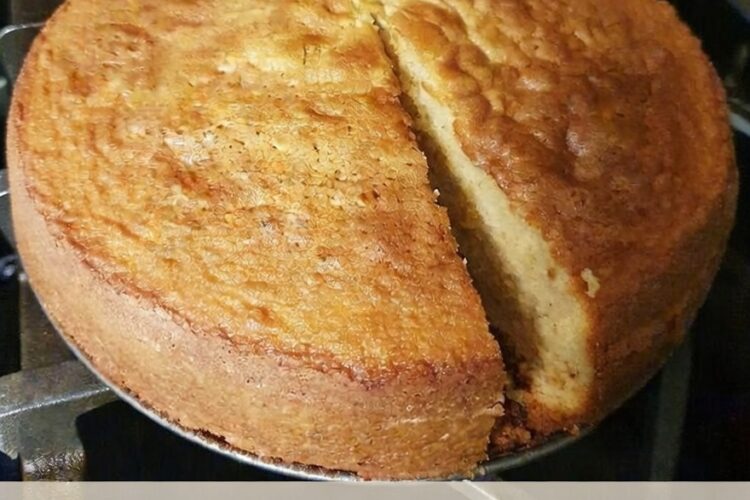
There’s something undeniably comforting about a classic pound cake—that dense, buttery crumb, the subtle vanilla aroma filling the kitchen, and the way a simple slice pairs perfectly with coffee in the morning or becomes dessert after Sunday supper. But let’s be honest: traditional pound cakes can feel intimidating. Creaming butter and sugar for ages, worrying about overmixing, and ending up with a brick instead of a tender loaf. That’s why this Blender Pound Cake has become one of my go-to recipes when I want all the nostalgic, homemade appeal without the fuss.
This version skips the stand mixer and long beating time. Everything goes straight into the blender—eggs, sugar, oil, milk, flour, and baking powder—and in under a minute, you’ve got a smooth batter ready for the oven. The result? A moist, golden cake with a tight, velvety texture that’s lighter than many traditional pound cakes but still delivers that rich, satisfying flavor American home bakers love. It’s the kind of recipe that gets passed around family group chats and potluck tables because it’s reliable, forgiving, and always disappears fast.
Whether you’re a beginner baker or just short on time, this cake proves you don’t need fancy equipment or hours in the kitchen to create something truly special. 🍰
Why This Blender Pound Cake Works So Well
Traditional pound cakes rely on creamed butter for structure and tenderness, but this oil-based version (popular in many quick Southern-style and everyday American recipes) stays exceptionally moist for days. The blender emulsifies the ingredients quickly, incorporating air for lift without deflating the batter. Baking powder gives reliable rise, while whole milk adds richness and a tender crumb. It’s a smart shortcut that doesn’t sacrifice taste—perfect for busy weeknights, last-minute company, or when the craving hits but the energy doesn’t.
Ingredients (Makes one 9×5-inch loaf, about 10-12 slices)
- 3 large eggs — Provide structure, moisture, and richness; room temperature eggs blend more smoothly and help with even rising.
- 1 cup granulated sugar — Sweetens the cake and contributes to the golden crust and tender interior by drawing in moisture.
- ½ cup vegetable oil (or canola oil) — Keeps the cake ultra-moist for longer than butter alone would; neutral flavor lets other ingredients shine.
- 1 cup whole milk — Adds tenderness and a creamy texture; whole milk gives the best flavor, but 2% works in a pinch.
- 2 cups all-purpose flour — Forms the base structure; spoon and level for accurate measurement to avoid a dense cake.
- 1 tablespoon baking powder — Leavening agent that gives lift and a lighter texture than traditional pound cake.
- Optional but recommended: 1 teaspoon vanilla extract — Enhances the flavor with warm, aromatic notes (add it with the wet ingredients if using).
- Pinch of salt (about ¼ teaspoon) — Balances sweetness and brings out all the flavors (add with dry ingredients).
Equipment You’ll Need
- Standard blender (high-speed works best, but any decent one will do)
- 9×5-inch loaf pan
- Nonstick spray or butter + flour for greasing
- Cooling rack
Step-by-Step Instructions
- Preheat your oven to 350°F (175°C). Grease a 9×5-inch loaf pan generously with butter or nonstick spray, then dust lightly with flour (or use parchment paper for easy release). This prevents sticking and ensures clean slices.
- Add the wet ingredients to the blender first: Crack in the 3 eggs, pour in the 1 cup sugar, ½ cup vegetable oil, and 1 cup milk (plus vanilla if using). Blend on medium speed for 20-30 seconds until smooth and well combined. The mixture will look creamy and slightly frothy.
- Add the dry ingredients: Stop the blender and add the 2 cups flour, 1 tablespoon baking powder, and pinch of salt. Pulse 5-6 times to incorporate, then blend on low-medium for 10-20 seconds until the batter is smooth and no dry streaks remain. Do not overblend—stop as soon as it’s combined to avoid developing too much gluten, which can make the cake tough.
- Pour and bake: Immediately pour the batter into the prepared loaf pan. Tap the pan gently on the counter to release any air bubbles. Bake in the center of the oven for 45-55 minutes, or until a toothpick inserted in the center comes out clean or with a few moist crumbs (not wet batter). The top should be golden brown and spring back lightly when touched.
- Cool completely: Let the cake cool in the pan for 10-15 minutes, then turn it out onto a wire rack to cool fully (about 1-2 hours). This prevents sogginess and makes slicing easier.
Tips, Substitutions, and Variations for American Kitchens
- Make it more traditional: Swap the oil for ½ cup softened butter (melt slightly if needed for blending) for richer flavor, though it may be slightly denser.
- Flavor twists — Add 1-2 teaspoons lemon zest + 1 tablespoon lemon juice for a bright lemon pound cake, or ½ teaspoon almond extract for a nutty note. Stir in ½ cup mini chocolate chips or blueberries after blending for fun variations.
- Dairy-free — Use almond or oat milk and ensure your oil is neutral.
- Gluten-free — Substitute a 1:1 gluten-free flour blend (with xanthan gum) and check baking time.
- Storage — Wrap tightly in plastic wrap or foil; it stays moist at room temperature for 3-4 days or freezes beautifully for up to 2 months (slice first for easy portions).
- Common fix — If the top cracks too much, it’s often from overbaking or oven hot spots—tent with foil if browning too fast.
Serving Suggestions and Pairings
This versatile cake shines in so many American settings:
- Everyday treat — Slice thick and serve plain with coffee or tea.
- Dessert upgrade — Top with fresh strawberries, whipped cream, and a dusting of powdered sugar for strawberry shortcake vibes.
- Holiday table — Drizzle with a simple glaze (1 cup powdered sugar + 2-3 tablespoons milk + vanilla) for potlucks, Easter brunch, or Christmas dessert.
- Afternoon snack — Pair with vanilla ice cream or a scoop of berries for an easy family dessert.
- Breakfast — Toast slices lightly and spread with butter—tastes like the best coffee cake.
This easy blender pound cake captures everything we love about homemade baking: simple ingredients, minimal effort, and maximum comfort. It’s the kind of recipe that reminds you why we bake—not for perfection, but for the joy of sharing something warm from the oven. Give it a try next time you need a reliable crowd-pleaser. Your kitchen (and your family) will thank you. Let me know in the comments how yours turns out! 🍋🔥