Introduction
Homemade doughnuts are a timeless delight that brings warmth, nostalgia, and pure joy to any kitchen. These pillowy, golden-fried treats, with their crisp exterior and soft, airy interior, offer endless possibilities for customization—from simple sugar coatings to luxurious glazes and decadent fillings. This classic yeast-raised doughnut recipe yields light, fluffy results that rival any bakery, allowing you to create ring-shaped classics, jam-filled balls, or cream-stuffed longs. The process, while requiring patience for rising, is deeply rewarding and fills your home with the irresistible aroma of fresh baking and frying.
At their best, doughnuts transcend mere snack status to become celebratory symbols—perfect for holidays, weekends, or spontaneous indulgences. This versatile base dough adapts beautifully to various toppings and fillings, encouraging creativity while staying true to traditional techniques. Whether dusted in cinnamon sugar, dipped in glossy glaze, or piped with rich cream, each bite delivers comforting sweetness balanced by subtle yeast tang. Ideal for sharing with family or gifting, homemade doughnuts remind us of the magic in simple ingredients transformed through care and time.
This guide expands on the foundational recipe, exploring doughnuts’ rich history and cultural roles worldwide, providing precise ingredient quantities, suggesting optional additions for flavor twists, sharing essential tips for flawless results, offering detailed step-by-step instructions, vividly describing the sensory journey, discussing nutritional aspects, and concluding with recommendations and ways to embrace this as a mindful indulgence. By the end, you’ll master crafting professional-quality doughnuts at home.
Origin and Cultural Significance
Doughnuts trace their origins to ancient fried dough treats enjoyed across civilizations, but the modern version evolved in 19th-century America and Europe. Early forms appeared in Dutch “olykoeks” (oil cakes)—sweetened dough balls fried in pork fat—brought by immigrants to New York. The iconic ring shape emerged around 1847, credited to Hanson Gregory, a ship captain who punched holes for even cooking, though legends vary. By the early 20th century, yeast-raised doughnuts gained popularity, boosted by automated cutters and World War I “Doughnut Girls” who fried them for soldiers, earning the nickname “doughboys.”
Globally, doughnuts reflect diverse traditions. Polish pączki are jam-filled, rose-hip or plum-preserved treats for Fat Thursday. Italian bomboloni and graffe are cream or custard-stuffed. Spanish churros, though extruded, share fried dough roots. In India, balushahi or gulab jamun offer similar sweetness. Middle Eastern zalabia and South African vetkoek provide savory-sweet parallels. Hanukkah sufganiyot in Israel are jelly-filled symbols of oil miracles.
Culturally, doughnuts embody celebration and comfort—from American National Doughnut Day (honoring Salvation Army volunteers) to carnival treats worldwide. They’ve inspired chains like Krispy Kreme and Dunkin’, democratizing access while homemade versions preserve artisanal charm. Today, doughnuts bridge generations, evoking childhood fairs, movie nights, or coffee breaks—universal symbols of simple pleasure amid busy lives.
Ingredients Quantity
This recipe yields about 12-18 doughnuts (depending on size and shape), plus holes. Precise measurements ensure consistent, fluffy results.
- 3 cups cake flour (about 360g; sifted for lightness; all-purpose works but yields denser texture).
- 1 to 2 cups warm milk (240-480ml; start with 1¼ cups/300ml, adjust for soft dough; whole milk for richness).
- 1 large egg (room temperature; adds tenderness and structure).
- 1 teaspoon salt (fine sea salt; balances sweetness).
- 1½ teaspoons instant yeast (or active dry; instant for quicker activation).
- 65g unsalted butter (softened; about 5 tablespoons; incorporates fat for flakiness).
- 6 teaspoons granulated sugar (about 25g; activates yeast and sweetens subtly).
For frying: Neutral oil (vegetable, canola, or peanut) — enough for 3-4 inches deep in pot (about 2-3 liters).
These quantities create a soft, enriched dough that’s easy to handle yet yields airy results—scalable for larger batches.
Optional Additions
Enhance the base dough or toppings with these additions for personalized flair.
Dough enrichments: Add 1 teaspoon vanilla extract, zest of 1 lemon/orange, or ½ teaspoon nutmeg/cinnamon for aromatic depth.
Flavor boosters: Incorporate ¼ cup mashed potato (for extra softness, as in some classic recipes) or replace some milk with buttermilk for tang.
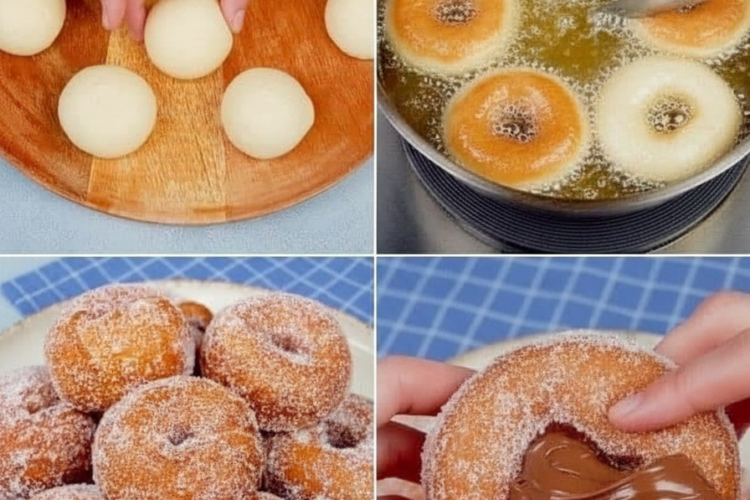
Topping/filling ideas: Beyond provided—chocolate ganache, matcha glaze, fruit compotes, Nutella, pastry cream, or Bavarian cream.
Savory twist: Reduce sugar, add herbs/cheese for non-sweet versions.
Vegan adaptations: Use plant-based milk/butter, flax egg.
These options allow endless creativity—experiment gradually.
Tips for Success
Perfect doughnuts demand attention to detail—follow these for light, non-greasy results.
Activate yeast properly: Milk should be warm (100-110°F/38-43°C)—too hot kills yeast, too cool slows rise.
Knead thoroughly: 10-15 minutes develops gluten for elasticity; dough should pass windowpane test (stretch thin without tearing).
Rise in warm spot: Ideal 75-85°F/24-29°C; draft-free, covered to prevent drying.
Roll evenly: About ½-inch thick for classic fluffiness.
Fry at correct temperature: 350-375°F/175-190°C—use thermometer; too low absorbs oil, too high burns exterior.
Fry in batches: Avoid overcrowding, which drops temperature.
Drain well: On wire rack over paper towels for crispness.
Fill/decorate cooled: Prevents melting or sogginess.
Store properly: Airtight at room temp 1-2 days; freeze unglazed up to 1 month.
These ensure professional outcomes every time.
Instructions
Follow these detailed steps for about 4-5 hours total (mostly rising).
Make the Dough: Warm 1¼ cups milk. In large bowl or stand mixer, combine flour, yeast, sugar, salt. Add egg, softened butter, warm milk. Mix until shaggy dough forms, adding more milk tablespoon-by-tablespoon if dry (aim for soft, slightly sticky).
Knead: On floured surface or with dough hook, knead 10-15 minutes until smooth, elastic. Form ball.
First Rise: Place in greased bowl, cover with plastic wrap/damp cloth. Let rise in warm spot 1-2 hours until doubled.
Shape: Punch down dough. Roll to ½-inch thickness on floured surface. For rings: Use 3-inch cutter and 1-inch for holes. For filled: Roll balls or long strips. Place on parchment-lined trays, cover loosely.
Second Rise: Let puff 1-2 hours until doubled and puffy.
Fry: Heat oil to 360°F/182°C in deep pot. Fry 2-3 at a time, 1-2 minutes per side until golden. Drain on rack.
Decorate/Fill:
- Sugar: Toss warm in cinnamon-sugar (1 cup sugar + 2 tsp cinnamon).
- Glazed: Mix 2 cups icing sugar + 3-5 tbsp milk/water + vanilla; dip cooled.
- Cream: Slit sides, pipe whipped cream; top with icing sugar/cherry.
- Jam: Poke hole, pipe jam; dust sugar.
- Coffee: Blend icing sugar, butter, instant coffee, melted chocolate; dip and drizzle.
Enjoy fresh!
Description
Mixing yields soft, buttery dough that smells faintly sweet and yeasty. Kneading transforms it into silky smoothness, springy under hands.
Rising fills the kitchen with warm fermentation aroma—dough swells dramatically, promising lightness.
Rolling and cutting releases floury clouds; shapes puff gently during second proof, delicate and airy.
Frying brings magic: Doughnuts sizzle on contact, bubbling vigorously as they turn golden, expanding into perfect rounds with crisp edges.
Fresh from oil, they’re steaming hot, exteriors crackling softly. Coated or filled, they glisten—sugar sparkles, glaze shines slickly, cream oozes luxuriously.
Biting reveals tender crumb giving way to fluffy interior, flavors blooming sweetly with each chew—a symphony of texture and taste.
Nutritional Information
Homemade doughnuts are indulgent—moderate enjoyment advised. Approximate per plain doughnut (based on 15 servings, unfilled/uncoated; varies with toppings):
- Calories: 250-350 kcal (higher with fillings/glazes).
- Protein: 5-7g (from flour, egg, milk).
- Fat: 12-20g (mostly from frying oil and butter).
- Carbohydrates: 35-45g (sugars 5-10g base).
- Key Nutrients: B vitamins (from yeast), iron, selenium; some calcium/phosphorus from milk.
Fried nature increases calories/fat; opt air-frying/baking for lighter (though different texture). Balance with fruit or enjoy occasionally.
Conclusion
Homemade doughnuts capture pure baking joy—transforming basic ingredients into golden orbs of happiness. This recipe’s versatility invites endless expression, from nostalgic classics to innovative twists.
The hands-on process connects us to traditions while creating new memories. Fresh, warm doughnuts shared with loved ones embody comfort and celebration in every bite.
Recommendation
Make on lazy weekends or holidays—double for crowds. Pair with coffee, milk, or hot chocolate. Try one variation first, then experiment.
Source quality ingredients; invest in thermometer/cutter for ease. Freeze extras unglazed—reheat and top fresh.
Embracing Healthful Indulgence
Though rich, doughnuts can fit balanced lifestyles—homemade control portions/ingredients (reduce sugar, bake variants). Savor mindfully: one or two with tea, appreciating craftsmanship.
They teach moderation’s joy—occasional treats enhance life without guilt. Share generously; happiness multiplies.