Introduction
The allure of 3-Ingredient Pan-Fried Halloumi lies in its profound simplicity, transforming a humble block of cheese into a culinary masterpiece with just a touch of oil and optional herbs. This dish captures the essence of Mediterranean cooking, where minimal ingredients yield maximum flavor, creating a crispy golden exterior that gives way to a warm, squeaky, and irresistibly tender interior. Halloumi, the star of this recipe, is a unique cheese renowned for its high melting point, allowing it to hold its shape beautifully when pan-fried, grilled, or even barbecued, making it a versatile favorite in kitchens around the world. In this quick yet satisfying preparation, 8 ounces of halloumi sliced to half-inch thickness are seared in a tablespoon of olive oil or butter, with a sprinkle of dried oregano or fresh thyme adding an aromatic lift if desired. The result is a dish that can stand alone as a savory snack, elevate a simple salad, or serve as a protein-packed appetizer, all ready in under ten minutes. What makes this recipe particularly appealing in today’s fast-paced world is its accessibility—no fancy equipment or advanced skills required, just a hot pan and a few moments of attention. As global interest in Mediterranean diets surges for their health benefits and vibrant flavors, pan-fried halloumi has emerged as a modern classic, bridging traditional Cypriot roots with contemporary vegetarian and keto-friendly eating. This blog post delves deeply into every facet of this delightful dish, from its ancient origins to practical tips, nutritional insights, and creative serving ideas, inviting you to embrace a healthful indulgence that feels both timeless and effortlessly current.
Pan-fried halloumi embodies the joy of uncomplicated cooking, where the natural saltiness of the cheese is enhanced by the caramelized crust formed during frying, creating a textural contrast that is both crunchy and creamy. Often described as having a “squeaky” bite when fresh, the cheese softens beautifully upon heating, releasing subtle milky notes balanced by its inherent brininess. The optional herbs infuse a subtle earthiness, evoking sun-drenched Mediterranean hillsides, while a final squeeze of lemon—though not in the core three ingredients—can brighten the flavors immensely. This dish’s popularity has skyrocketed in recent years, appearing on menus from casual cafes to upscale restaurants, and it’s no wonder why: it’s vegetarian, gluten-free, low-carb, and incredibly forgiving for home cooks. Whether you’re seeking a quick weeknight side, a crowd-pleasing party bite, or a nutritious addition to your meal prep, 3-ingredient pan-fried halloumi delivers satisfaction without fuss. As we explore its history, cultural depth, and practical applications, you’ll discover why this simple preparation has captured hearts worldwide, proving that sometimes, the best flavors come from letting quality ingredients shine.
Origin
The origins of halloumi cheese trace back centuries to the sun-baked island of Cyprus, where it has been crafted since at least the medieval period, with the earliest written references dating to 1554 during the Venetian rule. Historian Florio Bustron documented a cheese called “caloumi” produced from sheep and goat’s milk, highlighting its abundance in March when milk was plentiful and rich. Some sources suggest even earlier roots, possibly linked to Bedouin traditions or Byzantine-era experimentation with dairy preservation in the hot climate, as the cheese’s brined storage allowed it to last without refrigeration—ideal for nomadic or rural lifestyles. Folklore even points to a herder in Cyprus between AD 395 and 867 combining sheep and goat milk to create a precursor to modern halloumi. The name itself likely derives from Coptic or Arabic words for cheese, such as “halom” or “ḥallūm,” reflecting the island’s diverse cultural influences from Greek, Turkish, and Arab communities. In Cyprus, both Greek Cypriots call it “halloumi” and Turkish Cypriots “hellim,” underscoring its shared heritage across the divided island.
Traditionally made in small family dairies scattered across Cypriot villages, halloumi was a staple of rural life, often produced alongside other cheeses like anari from the whey byproduct. The process involved curdling milk with rennet, heating the curds, folding them (sometimes with fresh mint for preservation and flavor), and brining for storage. This method not only preserved the cheese but gave it the distinctive firm, layered texture that resists melting—a property that has made pan-frying possible and popular. By the 18th century, travelers like Richard Pococke noted its fame throughout the Levant, and it became a key export, reaching markets in Egypt, Syria, and beyond. The British colonial period in the late 19th century further spread its reputation, but it remained deeply tied to Cypriot identity. In recent decades, halloumi achieved Protected Designation of Origin (PDO) status in 2021 from the European Union, restricting the name to cheese produced in Cyprus using traditional methods, primarily from sheep and goat milk (though some cow’s milk is allowed to meet demand). This protection safeguards its authenticity amid global production, ensuring that true halloumi carries the island’s heritage. Today, Cyprus exports millions in halloumi annually, known affectionately as “white gold,” a testament to its evolution from humble farmhouse product to international delicacy.
Cultural Significance
Halloumi holds profound cultural significance in Cyprus, transcending mere food to embody tradition, community, and national pride. It is woven into the fabric of Cypriot life, from everyday meals to festive gatherings, symbolizing the island’s pastoral heritage and social solidarity in rural villages where families still produce it in small dairies. Often grilled over charcoal during barbecues or meze spreads, it represents hospitality and sharing, central to Cypriot culture. Its PDO status reinforces this identity, protecting it as an exclusively Cypriot product amid debates over production methods and milk sources. In both Greek and Turkish Cypriot communities, halloumi (or hellim) bridges divides, featured in shared culinary traditions despite political tensions.
Beyond Cyprus, halloumi has become an icon of Mediterranean cuisine, popular in Lebanon, Greece, Turkey, and the Middle East, where it’s fried, grilled, or added to salads. Its rise in global popularity reflects broader interest in plant-based and vegetarian foods, as well as the Mediterranean diet’s health acclaim. In the UK, the largest importer, it’s a supermarket staple, often pan-fried as a meat alternative. This dish, 3-ingredient pan-fried halloumi, modernizes ancient practices, bringing Cypriot flavors to contemporary tables worldwide. It evokes summer gatherings, fresh ingredients, and joyful eating, reminding us of food’s power to connect cultures. As a versatile, non-melting cheese, it inspires creativity in vegetarian cooking, from saganaki-style appetizers to fusion dishes, cementing its place in diverse culinary landscapes.
Ingredients Quantity
For this straightforward 3-Ingredient Pan-Fried Halloumi recipe, precision in quantities ensures perfect results every time. The core ingredients are:
- Halloumi cheese, sliced ½-inch thick: 8 oz (225 g). This amount typically yields 6-8 slices, depending on the block’s shape, providing 4 servings as an appetizer or 2 as a main protein.
- Olive oil or butter: 1 tablespoon. Olive oil offers a fruity, Mediterranean note and higher smoke point, ideal for crispiness, while butter adds rich, nutty depth.
- Dried oregano or fresh thyme (optional): ½ teaspoon. This enhances aroma without overpowering the cheese’s natural flavor.
These quantities are scalable; double for larger crowds, maintaining the ratio for even cooking. Use authentic Cypriot halloumi for best texture and taste, as PDO-protected versions deliver superior squeak and firmness.
Optional Additions
While the beauty of this recipe lies in its minimalism, optional additions can elevate the dish to new heights without complicating preparation. A classic enhancement is a squeeze of fresh lemon juice over the hot slices, adding bright acidity that cuts through the richness and saltiness, a common Cypriot touch. Honey drizzle creates a delightful sweet-salty contrast, especially with thyme. Toasted sesame seeds or za’atar sprinkle introduce nutty, Middle Eastern flair. Chili flakes or black pepper add gentle heat. Fresh mint leaves, traditional in some halloumi, provide cooling herbal notes. For serving, pair with cherry tomatoes, olives, or pita for a meze feel. These options keep the dish versatile, adapting to sweet, savory, or spicy preferences while staying true to its simple roots.
Tips for Success
Achieving perfect pan-fried halloumi requires attention to a few key details that make all the difference between good and exceptional results. First and foremost, thoroughly pat the slices dry with paper towels after cutting—this removes excess moisture from the brine, promoting a beautiful golden crust and preventing splattering in the hot oil. Use a non-stick skillet for even heating and easy flipping; cast iron works well too for extra crispiness, but preheat thoroughly. Heat the oil or butter over medium until shimmering but not smoking—too low and the cheese steams rather than sears; too high and it burns before softening inside. Cook undisturbed for 2-3 minutes per side to develop that coveted crust; resist the urge to peek or move them prematurely. Work in batches if needed to avoid overcrowding, which traps steam and hinders browning. Opt for high-quality halloumi; cheaper versions may remain rubbery or split during cooking. Serve immediately, as the texture is best hot—warm and tender inside, crisp outside. If adding herbs, sprinkle after flipping to toast lightly in the residual fat. For variations, experiment with dry-frying (no oil) for a lighter version, though a touch of fat enhances flavor. Store uncooked halloumi in its brine or wrapped tightly; once opened, consume within a week for peak freshness. These tips ensure consistently delicious outcomes, turning this simple dish into a reliable favorite.
Instructions
Follow these step-by-step instructions for flawless 3-Ingredient Pan-Fried Halloumi every time.
Step 1: Prepare the Cheese
Remove the halloumi from its package and slice into even ½-inch thick pieces—this thickness ensures a crispy exterior with a soft center. Pat each slice thoroughly dry with paper towels on both sides to eliminate surface moisture, which is crucial for achieving a rich, golden crust and minimizing oil splatter during cooking.
Step 2: Heat the Pan
Place a non-stick skillet over medium heat and add 1 tablespoon of olive oil or butter. Allow it to heat until the fat shimmers and just begins to ripple, indicating the perfect temperature for searing without burning.
Step 3: Cook the Halloumi
Arrange the dried slices in a single layer, ensuring they don’t overlap for uniform browning. Cook undisturbed for 2–3 minutes until the underside turns deep golden and crisp—listen for a gentle sizzle.
Step 4: Add Seasoning (Optional)
Flip the slices carefully with tongs or a spatula. If using, sprinkle ½ teaspoon of dried oregano or fresh thyme evenly over the top; this allows the herbs to infuse and lightly toast in the pan’s residual heat. Continue cooking the second side for another 2–3 minutes until equally golden.
Step 5: Serve Right Away
Transfer the halloumi to a serving plate and enjoy immediately while hot and at peak texture. Pair with a lemon wedge for squeezing, add to salads, or savor plain for pure indulgence.
These steps take mere minutes, yielding restaurant-quality results at home.
Description
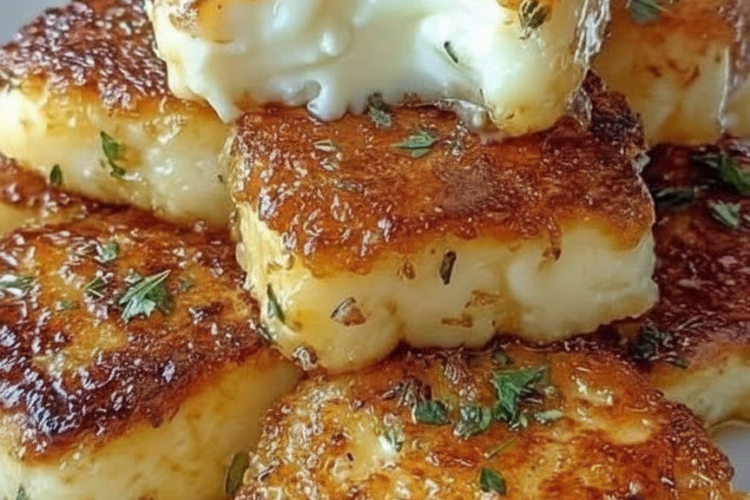
Pan-fried halloumi is a sensory delight, offering a mesmerizing contrast of textures and flavors in every bite. The exterior develops a deep golden-brown crust, audibly crisp when bitten, yielding to a warm, squeaky interior that is tender yet firm, with a subtle milky creaminess. The cheese’s natural saltiness shines through, balanced by the nutty richness from the olive oil or butter, and elevated by optional herbs like oregano’s earthy punch or thyme’s piney aroma. Visually, the slices emerge from the pan glistening, with charred edges and herb flecks, inviting immediate enjoyment. Aromatically, the kitchen fills with savory, toasty notes reminiscent of Mediterranean summers. Served hot, it pairs exquisitely with fresh elements—lemon’s tang, honey’s sweetness, or juicy fruits like watermelon for refreshing contrast. This dish’s magic lies in its transformation: raw halloumi is rubbery and briny, but frying unlocks gooey softness while preserving shape, making it uniquely satisfying. Whether standalone or incorporated into meals, it delivers bold, uncomplicated pleasure.
Nutritional Information
Halloumi is nutrient-dense, providing substantial protein and calcium alongside higher fat and sodium levels—enjoy in moderation for balanced benefits. Per 100g (approximately half a standard block):
- Calories: Around 320-330
- Protein: 21-25g (high-quality complete protein supporting muscle repair)
- Fat: 25-30g (mostly saturated, with some monounsaturated)
- Carbohydrates: 2-5g (very low, ideal for low-carb diets)
- Calcium: Significant portion of daily needs, aiding bone health
- Sodium: High, often 1000-1200mg, due to brining
For the full 225g recipe (with 1 tbsp olive oil): Approximately 750-800 calories, 50g protein, 65g fat, minimal carbs. It fits Mediterranean, keto, and vegetarian diets but monitor portions for sodium and saturated fat intake.
Conclusion
In conclusion, 3-Ingredient Pan-Fried Halloumi exemplifies culinary elegance in simplicity, turning everyday ingredients into an extraordinary experience rooted in centuries of tradition. From its Cypriot origins as a preserved staple to its modern status as a global favorite, this dish captures the Mediterranean spirit of fresh, flavorful, and healthful eating. With its crispy exterior, tender interior, and versatile appeal, it invites endless enjoyment while offering nutritional perks like high protein and calcium. Whether savored plain or enhanced, it reminds us that great food need not be complicated.
Recommendation
I wholeheartedly recommend trying 3-Ingredient Pan-Fried Halloumi tonight—it’s quick, foolproof, and guaranteed to impress. Start with authentic Cypriot halloumi for the best squeak and flavor, and experiment with additions like lemon or honey. Perfect for beginners or busy cooks seeking delicious, nutritious options.
Embracing Healthful Indulgence
Embracing healthful indulgence means savoring foods like pan-fried halloumi that nourish body and soul without deprivation. As part of the Mediterranean diet, it provides protein for satiety, calcium for bones, and joy through bold flavors. Balance with vegetables, fruits, and activity; this dish proves healthy eating can be deeply satisfying. Incorporate it regularly for a taste of Cyprus that enhances well-being—one crispy bite at a time.