Introduction
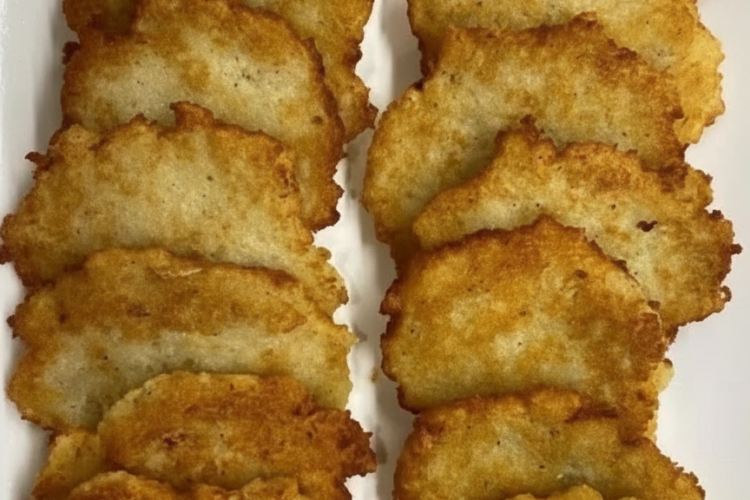
Crispy potato pancakes stand as one of the most beloved comfort foods worldwide, offering a delightful contrast of crunchy exteriors and soft, flavorful interiors that appeal to people from all walks of life. This specific recipe takes the traditional potato pancake to new heights by incorporating crispy bacon bits for smokiness and melted cheddar cheese for creamy richness, all built on the convenient foundation of frozen hash browns. The result is a pancake that crackles satisfyingly with every bite, releasing waves of savory aroma that can turn any meal into a special occasion. These pancakes are incredibly versatile: they shine as a breakfast item next to sunny-side-up eggs, make an excellent brunch side dish, or even serve as a hearty appetizer or dinner companion. In this extended and detailed blog post, we will dive deeply into every aspect of this dish—from its fascinating historical origins and profound cultural significance across various societies, to precise ingredient breakdowns, creative optional additions, essential tips for achieving perfect crispiness, step-by-step instructions with explanations, vivid descriptions of the final product, comprehensive nutritional analysis, and much more. We’ll also explore variations, pairing suggestions, troubleshooting common issues, and how this recipe fits into modern healthy eating patterns. By the time you finish reading, you’ll not only have the confidence to make these pancakes flawlessly but also a deeper appreciation for their place in culinary history. This Americanized version respects global potato pancake traditions while embracing convenience and bold flavors, making it accessible for today’s fast-paced lifestyles without sacrificing taste or texture.
The universal charm of crispy potato pancakes lies in their simplicity and adaptability, turning basic pantry staples into something truly memorable. Bacon adds an irresistible umami depth that elevates the humble potato, while cheddar cheese creates gooey pockets that melt beautifully during cooking. Using frozen hash browns eliminates the labor-intensive grating process, allowing even novice cooks to achieve professional results. This recipe produces eight substantial pancakes, ideal for serving four people or for leftovers that reheat wonderfully. As we explore further, you’ll see how this dish connects ancient frying techniques with contemporary kitchen hacks, embodying resourcefulness and joy in every golden bite. Whether you’re cooking for a family breakfast, a holiday gathering, or a casual weeknight treat, these pancakes deliver satisfaction that’s both nostalgic and innovative.
Furthermore, potato pancakes evoke memories of home-cooked meals in countless households, reminding us of the power of food to bring people together. In an era of quick meals and takeout, taking the time to prepare something like this reconnects us with traditional cooking methods while enjoying modern shortcuts. Let’s embark on this comprehensive journey into the world of crispy potato pancakes.
Origin and Cultural Significance
The origins of potato pancakes trace back thousands of years, intertwining with the history of the potato itself and the evolution of fried foods across civilizations. The potato, a tuber native to the Andean region of South America, was first cultivated by indigenous peoples around 8000-5000 BCE. It provided a reliable food source in harsh mountain environments, and its versatility allowed for various preparations, including early forms of flat cakes or patties that could be cooked over open fires. When Spanish explorers brought potatoes to Europe in the late 16th century, they initially faced suspicion—some even believed them poisonous due to their relation to nightshade plants. However, by the 17th and 18th centuries, potatoes gained acceptance as a famine-resistant crop, particularly in Ireland, Germany, and Eastern Europe, where poor soils made grain cultivation challenging.
Potato pancakes as a distinct dish likely emerged in Eastern Europe during the 18th century, when potatoes became a dietary staple for the working classes. In regions like Poland, Ukraine, Belarus, and Russia, grated potatoes mixed with binders like eggs or flour and fried in fat became a way to stretch limited resources. These early versions were simple, often made with whatever fat was available—lard, schmaltz (chicken fat), or oil—reflecting economic necessities. The frying method preserved the potatoes while creating a satisfying meal that could feed large families inexpensively.
In Jewish cuisine, potato pancakes—known as latkes—took on profound symbolic meaning during Hanukkah. The holiday commemorates the rededication of the Second Temple in Jerusalem and the miracle of a one-day supply of oil lasting eight days. Fried foods honor this miracle, but latkes specifically became prominent in the 19th century when potatoes replaced earlier cheese-based pancakes in Ashkenazi traditions. This change was driven by potato abundance in Eastern Europe following crop failures of other staples. Latkes became a centerpiece of Hanukkah celebrations, fried in large batches amid family gatherings, with the kitchen filled with the sizzle of oil and laughter. Toppings like applesauce (symbolizing sweetness) or sour cream added layers of tradition, varying by regional preferences.
Across Europe, potato pancakes manifest in diverse forms, each reflecting local ingredients and customs. German Kartoffelpuffer or Reibekuchen are street food staples at festivals like Oktoberfest or Christmas markets, often served with applesauce or garlic dip. In Switzerland, rösti is a larger pancake-like dish, sometimes incorporating cheese or bacon, considered a national favorite. Polish placki ziemniaczane might include grated onions for sharpness, while Ukrainian deruny could feature garlic or herbs. Irish boxty blends grated and mashed potatoes, evoking Celtic roots. Even in Asia, Korean gamja-jeon offers a spicy twist with gochujang, showing global adoption.
In America, potato pancakes evolved through immigrant influences, particularly Jewish and German communities. Diners popularized hash brown-style versions, and loaded variations with bacon and cheese emerged in the 20th century, aligning with the country’s love for hearty, flavorful breakfasts. This recipe’s use of bacon drippings for frying and cheddar cheese embodies that bold American spirit, transforming a peasant dish into a decadent treat. Frozen hash browns reflect post-World War II convenience food trends, making traditional recipes more approachable.
Culturally, potato pancakes represent more than food—they symbolize survival, celebration, and community. In times of hardship, like the Irish Potato Famine (ironically, as potatoes were central yet blighted), similar dishes provided sustenance. Today, they bridge generations: grandparents teaching grandchildren to grate potatoes during holidays, or families experimenting with new twists. This bacon-cheddar version celebrates indulgence while nodding to heritage, perfect for modern tables where tradition meets innovation.
The dish also highlights frying as an ancient preservation and flavor-enhancing technique, seen in everything from Roman libum (cheese fritters) to Indian pakoras. Potato pancakes thus connect us to a shared human history of making the most from the earth.
Ingredients Quantity
For this recipe, which serves about 4 people and yields 8 medium-sized pancakes, the ingredients are carefully balanced to ensure flavor harmony and perfect texture. Here’s the detailed list with explanations:
- Frozen potatoes (hash browns): 4 cups (approximately 1 pound or 450 grams). Opt for plain shredded hash browns without added seasonings for control over taste. This quantity provides the bulk and starch needed for binding and crispiness.
- Bacon slices: 5 standard slices (thick-cut recommended for better texture and more pronounced flavor). Bacon supplies smokiness, fat for frying, and crispy bits that contrast the soft potato.
- Eggs, beaten: 2 large eggs. They act as the primary binder, holding the mixture together while adding richness and helping achieve a tender interior.
- Onion powder: 1/2 teaspoon. This imparts a mild onion essence without introducing excess moisture that could make the pancakes soggy—fresh onions would require draining.
- Salt: 1/2 teaspoon (kosher or sea salt preferred). Adjust based on bacon’s natural saltiness; it enhances overall flavors without overpowering.
- Black pepper: 1/2 teaspoon (freshly cracked for intensity). Provides a subtle heat and aromatic depth that complements the savory elements.
- Grated cheddar cheese: 1/2 cup (about 2 ounces or 55 grams; use sharp cheddar for better melt and tang). Note: the original sometimes lists teaspoon, but cup is correct for proper cheesy pockets.
These proportions create pancakes where no single ingredient dominates; the potato remains the star, elevated by bacon and cheese. Scaling up is easy—double for larger crowds, but fry in batches to maintain crispiness.
Optional Additions and Variations
The beauty of this recipe lies in its flexibility, allowing endless customizations to suit tastes, diets, or available ingredients. Here are extensive suggestions:
- Herbs and greens: Add 2-4 tablespoons fresh chopped chives, scallions, dill, or parsley for freshness and visual appeal. Dried herbs like thyme or rosemary (1 teaspoon) work in a pinch.
- Alliums: Minced fresh garlic (1-2 cloves) or shallots (1/4 cup) for bolder aroma. Green onions add mild crunch.
- Vegetables: Incorporate 1/4 to 1/2 cup finely diced bell peppers, jalapeños for heat, spinach (wilted and squeezed), or carrots for sweetness and color. Always squeeze out moisture to avoid sogginess.
- Spices and heat: Smoked paprika (1/2 teaspoon) for extra smokiness, cayenne or chili flakes for spice, or even curry powder for an Indian-inspired twist.
- Cheese alternatives: Experiment with Gruyère for nutty notes, mozzarella for stretchier melts, pepper jack for kick, or feta for tang. Vegan cheese substitutes work for dairy-free versions.
- Protein enhancements: Cooked sausage, ham, or turkey bacon crumbles. For vegetarian, try mushrooms or plant-based bacon.
- Binders and flours: If mixture seems loose, add 1-3 tablespoons all-purpose flour, matzo meal (traditional for latkes), or cornstarch for gluten-free.
- Global twists: Korean-style with kimchi, Mexican with corn and cilantro, or sweet versions using sweet potatoes.
- Healthier options: Use turkey bacon, reduced-fat cheese, or bake/air-fry instead of pan-frying.
These variations keep the dish exciting, encouraging experimentation while staying true to the crispy core.
Tips for Success and Troubleshooting
Mastering crispy potato pancakes involves technique as much as ingredients. Here are in-depth tips:
Moisture control is paramount—thaw hash browns completely and squeeze firmly in a towel to remove water; excess leads to steaming rather than crisping. Cook bacon to true crispiness for textural contrast and flavorful drippings—undercooked bacon becomes chewy.
Reserve all bacon fat; it’s essential for authentic taste and high smoke point. If short, supplement with neutral oil like vegetable or canola. Mix ingredients gently to avoid releasing potato starches that cause gumminess.
Shape patties uniformly (1/2-inch thick) for even cooking; too thick and centers stay raw, too thin and they dry out. Use a cookie scoop for consistency.
Fry over medium heat in a heavy skillet (cast iron ideal) for gradual browning. Don’t flip too early—wait for edges to golden. Batch frying prevents overcrowding and temperature drops.
For ultimate crisp, press lightly with spatula during cooking. Drain on wire rack over paper towels to avoid sogginess.
Troubleshooting: Soggy? More squeezing or higher heat. Falling apart? More egg or chilling mixture 30 minutes. Burnt outside/raw inside? Lower heat or thinner patties.
Storage: Refrigerate up to 3 days; reheat in oven/air fryer. Freeze uncooked patties for months.
Equipment notes: Non-stick skillets ease flipping, but traditional pans build better crust.
With practice, you’ll achieve restaurant-quality results every time.
Instructions with Detailed Explanations
Prepare these pancakes in about 40 minutes with these expanded steps:
Step 1: Cook the Bacon
In a large skillet over medium heat, lay out the 5 bacon slices without overlapping. Cook 8-12 minutes, flipping every few minutes for even browning. Aim for deep crispiness—the bacon should shatter slightly when broken. This step renders fat crucial for flavor infusion.
Step 2: Prep the Bacon
Transfer bacon to paper towels to drain and cool. Crumble into 1/4-inch pieces once handleable. Retain at least 4 tablespoons drippings in the pan; discard excess or save for other uses like eggs.
Step 3: Make the Pancake Mixture
In a spacious bowl, combine thawed and squeezed hash browns, beaten eggs, seasonings, crumbled bacon, and cheese. Mix with a fork or hands until uniform but not overworked. The eggs coat everything, bacon and cheese distribute evenly, creating flavorful surprises in each bite. Taste and adjust seasoning.
Step 4: Shape the Pancakes
Portion into 8 balls (about 1/2 cup each). Flatten into 3-4 inch patties, compacting edges to prevent crumbling. For precision, use a ring mold.
Step 5: Fry
Reheat drippings over medium; add oil if needed. Fry 3-4 patties at a time, 4-6 minutes per side. Look for deep golden color and lacy edges. Press gently for contact.
Step 6: Serve
Drain briefly, serve hot. Traditional pairings: homemade applesauce for sweetness, sour cream for creaminess, or both. Alternatives: chives garnish, hot sauce, or salad.
These pancakes are best fresh but reheat well.
Description and Pairing Suggestions
Imagine biting into a pancake with a shatteringly crisp shell that yields to a fluffy, potato-laden center flecked with smoky bacon and oozing cheddar. The aroma—fried potatoes mingled with bacon smoke—is intoxicating. Visually stunning: golden-brown with frilled edges, cheese peeking through.
Flavor profile: Savory umami from bacon, sharp tang from cheddar, subtle onion backdrop, all on starchy potato canvas. Textures dance—crunch, tenderness, chew from bacon.
Pairings beyond classics: Smoked salmon and dill sour cream for brunch elegance; chili for hearty dinner; green salad with vinaigrette to cut richness. Beverages: Crisp beer, sparkling wine, coffee, or apple cider.
As appetizers, top with poached eggs for mini benedicts. In meals, alongside sausages or roasted veggies.
This dish’s versatility makes it a year-round favorite.
Nutritional Information and Health Considerations
Approximate per serving (2 pancakes):
- Calories: 380
- Fat: 24g (12g saturated)
- Carbs: 30g (3g fiber, 2g sugar)
- Protein: 15g
- Key nutrients: Potassium (700mg), Vitamin C (20% DV), Calcium (15% from cheese), Iron.
Potatoes offer complex carbs for energy, resistant starch for gut health. Eggs provide complete protein and choline. Bacon/cheese add flavor but fats/sodium—moderation key.
Healthier tweaks: Air-fry at 400°F (less oil), use lean bacon, half cheese. Vegan: Plant-based substitutes.
Fits balanced diets as occasional treat; pair with veggies/fruits.
Variations and Advanced Recipes
Explore: Sweet potato for nutrition boost; zucchini-potato hybrid (zucchini squeezed); loaded with broccoli/cheese.
Holiday specials: Hanukkah latkes sans bacon; St. Patrick’s boxty-inspired.
Global: Add feta/dill for Greek; spices for Indian aloo tikki.
Baking option: Oven at 425°F for healthier crisp.
Conclusion
Crispy potato pancakes with bacon and cheese exemplify culinary magic—simple ingredients yielding extraordinary pleasure. From ancient Andean roots to modern tables, they’ve nourished bodies and souls across cultures.
This recipe honors tradition while embracing convenience, inviting you to create memories in your kitchen.
Recommendation
Make this soon! Perfect for holidays, brunches, or comfort nights. Experiment freely—it’s forgiving and rewarding.
Embracing Healthful Indulgence
View these pancakes as mindful treat: Quality ingredients, controlled portions, balanced plates. They satisfy cravings, promoting sustainable eating. Celebrate food’s joy without guilt—life’s too short for bland meals.