Introduction
Creamy Mixed Fruit Salad stands as one of the most beloved, versatile, and universally appealing dishes in the world of healthy eating and light desserts. It brings together the vibrant colors, diverse textures, and natural sweetness of fresh fruits, all gently unified by the smooth, tangy embrace of yogurt, resulting in a dish that feels both indulgent and nourishing. This salad is far more than a simple combination of chopped produce—it is a celebration of seasonal abundance, a canvas for creativity, and a testament to how simplicity can yield extraordinary pleasure.
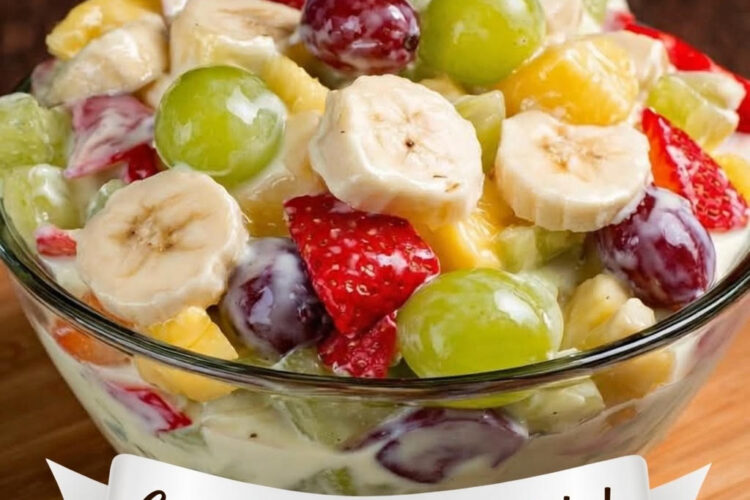
At its core, Creamy Mixed Fruit Salad features a harmonious blend of bananas, strawberries, grapes (both green and red), pineapple, and either oranges or mangoes, though the beauty of the recipe lies in its flexibility. The yogurt—whether plain for a clean tang or vanilla for subtle sweetness—coats each piece, creating a creamy consistency that elevates the eating experience without weighing it down. A touch of optional honey allows the sweetness to be adjusted to personal taste or the ripeness of the fruit.
This dish has earned its place at breakfast tables, brunch buffets, picnic spreads, holiday gatherings, and everyday snack bowls because it satisfies on multiple levels: it is refreshing on hot days, comforting in cooler weather, visually stunning, and packed with nutrients. Children love its sweetness and colors, adults appreciate its lightness and health benefits, and hosts rely on its crowd-pleasing nature and effortless preparation.
In an era where people increasingly seek balance between flavor and wellness, Creamy Mixed Fruit Salad shines as a perfect example of healthful indulgence. It requires no cooking, minimal tools, and just minutes of active time, yet delivers a sophisticated result that feels thoughtfully prepared. As we journey through its history, cultural importance, detailed preparation, variations, and more, you will understand why this humble salad has endured across generations and continents.
The recipe’s adaptability ensures it never grows stale—swap fruits with the seasons, adjust the yogurt for dietary needs, or layer it into parfaits for elegance. Whether served in a large communal bowl or individual glasses, it fosters sharing and joy. Let us now explore the rich tapestry behind this delightful creation.
Origin
The story of fruit salads stretches back thousands of years, intertwining with human civilization itself. Ancient Greeks and Romans regularly combined fresh and dried fruits with honey, wine, or vinegar dressings, serving them as refreshing conclusions to lavish banquets. References to mixed fruit dishes appear in Roman cookbooks like Apicius, where fruits were macerated in sweet or savory liquids to enhance flavor and aid digestion.
Medieval Europe saw fruit combinations seasoned with spices, sugar, or rosewater, often reserved for the wealthy due to the cost of imported fruits and sweeteners. In Asia, particularly in India and Southeast Asia, spiced fruit chaats—mixing mangoes, bananas, pineapple, and citrus with yogurt, chutneys, or chili—developed as street food and home staples, emphasizing bold contrasts of sweet, sour, salty, and spicy.
The modern concept of creamy fruit salad emerged prominently in the United States during the 19th century, coinciding with increased availability of tropical fruits through trade and refrigeration. Pineapple from Hawaii, bananas from Central America, and citrus from Florida and California became household names. The iconic Southern dish known as Ambrosia, first documented in cookbooks around the 1870s, combined oranges, pineapple, coconut, and sometimes cherries with a sweet dressing—originally whipped cream or a custard-like sauce, later incorporating marshmallows in the 20th century.
As health consciousness grew in the mid-20th century, heavier cream-based dressings gave way to lighter alternatives. Yogurt, popularized through immigration and the natural foods movement, became the preferred coating for its tang, probiotics, and lower calorie profile. Greek yogurt’s rise in the late 20th and early 21st centuries further transformed creamy fruit salads, offering thicker texture and higher protein.
Today’s Creamy Mixed Fruit Salad reflects this evolution: a lighter, fresher take on Ambrosia and international yogurt-fruit traditions. It draws from global influences—tropical fruits echoing Caribbean and Hawaiian salads, berries nodding to European summer puddings, and yogurt tying to Mediterranean and Indian cuisines—while remaining distinctly accessible and modern.
The specific combination in this recipe highlights fruits that travel well and store reliably, making it practical for home cooks everywhere. Its origins may be diffuse, but its appeal is universal, rooted in humanity’s timeless love for fresh, sweet produce enhanced just enough to shine brighter.
Cultural Significance
Across cultures and continents, mixed fruit dishes carry deep symbolic meaning, often representing prosperity, hospitality, fertility, and the changing seasons. In many traditions, offering fruit signifies welcome and generosity, while colorful arrangements evoke joy and celebration.
In the American South, creamy fruit salads like Ambrosia hold near-sacred status at holiday tables, especially Christmas and Easter. The name “Ambrosia”—food of the gods in Greek mythology—underscores its elevated place in family lore, passed down through generations as a symbol of abundance and togetherness. Even lighter yogurt versions maintain this nostalgic role.
Mediterranean and Middle Eastern cuisines frequently pair fresh fruits with yogurt or labneh, viewing the combination as both cooling and digestive. In India, fruit raita or fruit chaat serves similar purposes, balancing richer meals or standing alone as refreshing snacks. Southeast Asian countries feature mango and pineapple salads with sweet or savory yogurt dressings, highlighting tropical bounty.
Fruit salads also appear in religious and cultural festivals worldwide. Jewish holiday tables may include fruit compotes or salads, while Filipino fruit salad with condensed milk and cream is indispensable at Christmas and fiestas. In Hawaii, fruit mixtures reflect the islands’ multicultural heritage and welcoming spirit.
In contemporary wellness culture, Creamy Mixed Fruit Salad has become an emblem of mindful eating—proof that dessert can nourish rather than merely indulge. It features heavily in clean-eating blogs, meal-prep communities, and fitness influencers’ routines, promoting fruit consumption in an enjoyable format.
As climate awareness grows, the salad’s reliance on seasonal, local produce aligns with sustainable values. Its inclusivity—easily made vegan, gluten-free, or nut-free—makes it a bridge across dietary differences at shared tables.
Ultimately, this dish fosters connection: preparing it together teaches children knife skills and appreciation for whole foods; serving it invites conversation and lingering. In a fast-paced world, it reminds us to slow down and savor nature’s simplest gifts.
Ingredients Quantity
To prepare a generous Creamy Mixed Fruit Salad serving 8-10 people as a side or 6 as a main dish, use the following quantities. These provide vibrant color balance, varied textures, and enough volume for a beautiful presentation while ensuring every bite has multiple fruit flavors.
- 3-4 medium ripe bananas, sliced into ½-inch rounds: Contribute natural creaminess and binding sweetness; approximately 2 cups sliced.
- 2-3 cups fresh strawberries, hulled and quartered or chopped: Deliver bright red color and tart-sweet contrast; use more if in peak season.
- 1 ½ cups green grapes, washed, halved, and seeds removed if necessary: Offer crisp, juicy pops of mild sweetness.
- 1 ½ cups red grapes, washed and halved: Add deeper color and slightly richer flavor for visual and taste variety.
- 2-3 cups fresh pineapple, cored and cut into bite-sized chunks: Provide tropical tang and enzymes for digestion; about 1 medium pineapple.
- 2 cups orange segments (from 4-5 large oranges) or ripe mango, peeled and cubed: Oranges bring bright citrus; mango offers lush sweetness—choose based on preference or availability.
- 2-3 cups plain Greek yogurt or vanilla yogurt: Greek for thick, protein-rich coating; start with 2 cups and add more for creamier result.
- 2-4 tablespoons honey or maple syrup (completely optional): Use only if fruits are less ripe or personal taste prefers extra sweetness; drizzle and taste as you go.
These proportions create a salad that is fruit-forward with just enough yogurt to coat without pooling. For smaller batches, halve everything; for crowds, double while maintaining ratios.
Freshness is paramount—select fruits at peak ripeness for maximum flavor and natural sweetness, reducing or eliminating need for added honey.
Optional Additions
The beauty of Creamy Mixed Fruit Salad lies in its adaptability. These optional additions allow endless customization while preserving the fresh, light character.
- Other berries: 1 cup blueberries, raspberries, or blackberries for antioxidant boost and color depth.
- Kiwi: 3-4 peeled and sliced for tangy green contrast and vitamin C.
- Apples or pears: 2 diced for autumnal crunch; toss in lemon juice to prevent browning.
- Pomegranate arils: ½-1 cup for jewel-like bursts and seasonal flair.
- Unsweetened shredded coconut: ½ cup toasted or raw for tropical nuance.
- Chopped nuts: ½ cup almonds, pecans, walnuts, or pistachios for texture and healthy fats.
- Dried fruit: ¼ cup raisins, cranberries, or chopped dates for chewy sweetness (use sparingly).
- Fresh herbs: Finely chopped mint or basil leaves for aromatic lift.
- Spices: Pinch of ground cinnamon, cardamom, or ginger for warmth.
- Seeds: 2-3 tablespoons chia, flax, or hemp for nutrition and subtle crunch.
- Citrus zest: Lemon, lime, or orange for brighter aroma.
Layering options like granola or crushed cookies at serving time add dessert-like appeal without compromising freshness.
Tips for Success
Even the simplest recipes benefit from mindful techniques. Follow these tips to ensure your Creamy Mixed Fruit Salad turns out perfectly every time.
Select fruits at optimal ripeness: fragrant pineapple, yielding but not bruised bananas, bright unblemished berries. Wash thoroughly but gently; pat dry to prevent excess water diluting yogurt.
Cut pieces uniformly bite-sized—about ½ to ¾ inch—for easy eating and even coating. Add delicate fruits like bananas and berries last to minimize bruising.
Use thick Greek yogurt for best cling; strain regular yogurt if needed. Chill yogurt beforehand for cooler, refreshed salad.
Mix gently with a folding motion using a large silicone spatula to avoid crushing fruit and releasing too much juice. Taste before adding honey—ripe fruit often needs none.
Prepare up to 2-3 hours ahead but add yogurt just before serving or within the last hour for peak texture. If making further in advance, store cut fruits separately and combine when ready.
For presentation, reserve some whole or halved fruits for topping. Serve in a clear glass bowl to showcase colors or layer in individual jars for portability.
Leftovers keep 1-2 days refrigerated but are best day-of as fruits soften and release liquid.
Instructions
Creating Creamy Mixed Fruit Salad requires minimal steps yet rewards attention to detail. Follow this sequence for optimal results.
Begin by gathering all fruits and washing them thoroughly under cool running water. Hull strawberries, remove grape stems, core pineapple, peel mango if using, and segment oranges carefully to avoid excess membrane.
Pat all fruits completely dry with paper towels or a clean kitchen towel—this prevents watery salad and helps yogurt adhere.
Prepare a large, wide mixing bowl to allow gentle tossing without crowding. Cut fruits into uniform bite-sized pieces: slice bananas into rounds, quarter strawberries, halve grapes, cube pineapple and mango/orange segments.
Add the sturdier fruits first—pineapple, grapes, oranges/mango, strawberries—then gently incorporate bananas last to prevent mashing.
Spoon in 2 cups chilled yogurt, starting conservatively. Drizzle optional honey if desired. Using a folding motion, gently combine until every piece is lightly coated, adding more yogurt if needed for creamier consistency.
Transfer to a serving bowl or individual dishes. Garnish with reserved fruit pieces, mint leaves, or a sprinkle of coconut/nuts if using.
Optionally chill 10-30 minutes to meld flavors, but serve within a few hours for freshest texture. Enjoy immediately with spoons or forks.
Description
Creamy Mixed Fruit Salad is a feast for all senses. Visually, it presents a kaleidoscope of jewel tones—ruby strawberries, emerald and crimson grapes, golden pineapple, sunny orange or mango, creamy banana slices—all glistening under a silky yogurt veil.
The aroma is pure summer: bright citrus mingling with pineapple’s tropical perfume, strawberry sweetness, and subtle banana fragrance, enhanced by yogurt’s clean tang.
Texture offers delightful contrast—crisp grape pops, juicy pineapple chunks, tender mango or orange segments, soft bananas, and yielding berries—all unified by yogurt’s luxurious smoothness.
Flavor achieves perfect harmony: natural fruit sweetness balanced by yogurt’s gentle acidity, with optional honey providing floral depth. Each spoonful varies slightly, ensuring excitement throughout.
Compared to plain cut fruit, the yogurt elevates sophistication; versus heavy cream versions, it feels lighter and more refreshing. Served chilled, it cools and revitalizes; at room temperature, it comforts.
This salad transcends mere nutrition—it’s an experience of joy, color, and balance in edible form.
Nutritional Information
Nutritional profile varies by exact fruits, yogurt type, and additions, but a typical 1-cup serving using plain Greek yogurt and no honey offers approximately:
- Calories: 160-220
- Carbohydrates: 35-45g (primarily natural fruit sugars and fiber)
- Protein: 10-14g (largely from Greek yogurt)
- Fat: 0.5-4g (minimal unless nuts added)
- Fiber: 5-7g (excellent for digestion and satiety)
- Vitamin C: 100-150% daily value (from strawberries, pineapple, citrus)
- Potassium: 15-20% daily value (bananas, oranges)
- Calcium: 15-25% daily value (yogurt)
- Probiotics: Live cultures supporting gut health
Antioxidants abound from berries and pineapple; manganese from pineapple aids metabolism. It’s naturally gluten-free, low glycemic when honey is minimal, and nutrient-dense.
Compared to processed desserts, it delivers superior nutrition with genuine satisfaction. Enjoy freely as part of balanced eating.
Conclusion
Creamy Mixed Fruit Salad represents the pinnacle of simple elegance in cooking—few ingredients, minimal effort, maximum reward. It honors ancient traditions of celebrating fruit while embracing modern priorities of health and convenience.
Through its colorful presentation and layered flavors, it brings beauty and nourishment to everyday moments and special occasions alike. Preparing it reconnects us with nature’s generosity and the pleasure of whole foods.
This dish teaches valuable lessons: that indulgence and wellness coexist, that sharing food builds bonds, and that creativity thrives within gentle boundaries.
As seasons change and tastes evolve, Creamy Mixed Fruit Salad remains constant—a reliable source of refreshment, nutrition, and happiness.
Recommendation
Make Creamy Mixed Fruit Salad a regular feature in your repertoire. It’s ideal for weekend meal prep, weekday breakfasts, post-workout recovery, or impromptu gatherings.
Experiment confidently—summer demands berries and stone fruits, autumn apples and pears, winter citrus and pomegranate. Use the best yogurt available; plant-based versions work beautifully for dairy-free needs.
Serve creatively: layered parfaits with granola, smoothie bowl base, or frozen into popsicles. Pair with cheese and crackers for savory contrast or alone as dessert.
Double batches for potlucks; it always vanishes first. Introduce children to fruit variety through this gateway dish—they’ll ask for seconds.
Embracing Healthful Indulgence
Creamy Mixed Fruit Salad perfectly illustrates that true indulgence enhances rather than undermines well-being. By prioritizing whole fruits and probiotic-rich yogurt, it satisfies sweet cravings while delivering vitamins, minerals, fiber, and protein.
This approach encourages abundance mindset—generous portions of colorful produce feel celebratory rather than restrictive. Natural sweetness trains palates away from processed sugars.
Customizations support diverse needs without sacrifice: lower sugar, higher protein, added superfoods—all seamless.
Embracing such dishes cultivates sustainable habits—enjoyment fosters consistency, consistency yields health. Let this salad inspire a lifetime of joyful, nourishing choices.