Introduction
German Cabbage with Dumplings, a cherished family recipe passed down from your German Nana, embodies the heartwarming essence of traditional home cooking, blending tender, buttery cabbage with soft, pillowy dumplings for a dish that’s both simple and profoundly satisfying. This comforting meal captures the soul of rustic European fare, offering layers of flavor from sautéed onions and cabbage infused with butter, complemented by delicate egg-based dumplings that absorb every savory note. In a world of complex recipes, this one stands out for its humility and depth, requiring basic pantry staples yet delivering a taste that evokes generations of shared family tables.
The beauty of this dish lies in its textural harmony: the slight crunch and sweetness of wilted green cabbage contrasts beautifully with the fluffy, almost cloud-like dumplings that melt in your mouth. It’s a versatile comfort food, perfect for chilly evenings, weeknight dinners, or nostalgic gatherings, proving that the most memorable meals often come from the simplest ingredients. Rooted in heritage, this recipe not only nourishes the body but also stirs memories, as evidenced by countless families who hold similar versions dear.
As we explore its origins, cultural role, and practical details, you’ll appreciate why German Cabbage with Dumplings has endured as a beloved classic. Whether recreating your Nana’s version or discovering it anew, preparing this dish promises warmth, fulfillment, and a connection to timeless traditions.
Origin
The origins of German Cabbage with Dumplings trace back to the resourceful cooking traditions of German-speaking communities, particularly the Volga Germans—descendants of Germans invited by Catherine the Great in the 1760s to settle along Russia’s Volga River. These settlers adapted hardy crops like cabbage and wheat flour to create filling, economical dishes that sustained families through harsh winters, with cabbage providing essential vitamins and dumplings offering carbohydrate-rich sustenance from basic flour, eggs, and milk.
Known as “Kraut und Kleis” or similar variations in Volga German dialects, the dish evolved from necessity into a cultural staple, using steamed or sautéed cabbage paired with drop dumplings boiled separately. Upon migrating to America in the late 19th and early 20th centuries (often to the Midwest), Volga Germans brought these recipes, where they became known as comfort foods in German-American households. Similar cabbage-dumpling combinations appear in broader Central European cuisines, including Czech or Polish influences, but the buttery, simple version aligns closely with Volga German heritage.
Family recipes like yours, taught by grandmothers (“Nana” or “Oma”), preserved these orally, with slight variations—some adding bacon or broth, others keeping it vegetarian. Modern adaptations reflect this history, maintaining the core simplicity while spreading through cookbooks and online shares since the mid-20th century.
This dish isn’t fancy court cuisine but peasant food elevated by love and tradition, representing immigrant resilience and adaptation.
Cultural Significance
In German-American and Volga German communities, dishes like Cabbage with Dumplings hold profound cultural significance as emblems of heritage, frugality, and family unity, often prepared for Sunday dinners, holidays, or community gatherings where food reinforces bonds and memories. Passed down from grandmothers, these recipes symbolize continuity—your Nana teaching it mirrors countless stories of “Oma’s” or “Nana’s” kitchen lessons, preserving identity amid assimilation.
Culturally, it highlights resourceful use of seasonal ingredients: cabbage, abundant and storable, paired with dumplings from flour staples, reflecting rural life and economic wisdom. In broader German cuisine, cabbage sides (like Sauerkraut or Rotkohl) accompany hearty meals, but this combined dish underscores comfort in simplicity, contrasting richer festivals with everyday nourishment.
Today, it evokes nostalgia in diaspora communities, featured in Midwestern potlucks or family reunions, fostering pride in roots. Globally, as interest in authentic, sustainable cooking grows, it promotes mindful eating—nutrient-dense, waste-free meals that connect us to ancestors.
Ultimately, this dish celebrates intergenerational love, turning humble ingredients into lasting traditions.
Ingredients Quantity
This German Cabbage with Dumplings serves 4-6 as a main or side, with quantities balanced for harmonious flavors and textures. Core to the cabbage base: 1 medium head green cabbage (about 2-3 pounds), chopped into bite-sized pieces for even cooking. Add 2 tablespoons butter for richness, 1 finely chopped onion for aromatic depth, and salt and pepper to taste.
For the dumplings: 1 cup all-purpose flour, 1/2 teaspoon salt, 1/2 cup milk, and 2 eggs—these create a thick batter yielding about 20-30 small dumplings. Optional chopped fresh parsley for garnish adds brightness and herbal notes.
These measurements ensure tender cabbage and fluffy dumplings without excess. Scaling: double for larger groups, adjusting pot size accordingly.
Optional Additions
The recipe’s adaptability allows optional additions that enhance without overpowering its classic simplicity. For deeper flavor, sauté diced bacon or ham with the onions, adding smokiness beloved in many variations. A splash of vegetable or chicken broth during cabbage cooking introduces moisture and savoriness.
Herb enthusiasts can mix dried dill or caraway seeds into the dumpling batter or cabbage for authentic German notes. Garlic cloves, minced and sautéed with onions, provide extra aroma. For nutrition, incorporate shredded carrots or apples for subtle sweetness.
Spice lovers might add a pinch of nutmeg or paprika. Vegetarian tweaks shine naturally, but vegan adaptations use plant milk and egg substitutes. These options personalize while honoring tradition.
Tips for Success
Perfecting German Cabbage with Dumplings relies on key tips for optimal texture and taste. Chop cabbage uniformly for even tenderness—avoid overcooking to retain slight bite. Sauté onions slowly until translucent for sweetness without burning.
For dumplings, achieve a thick but drop-able batter; if too thin, add flour sparingly. Use two spoons or a spaetzle maker for uniform portions—dipping in hot water prevents sticking. Boil gently to avoid breaking dumplings; they float when done.
Fold dumplings into cabbage gently to prevent mashing. Rest the combined dish briefly for flavors to meld. Reheat leftovers with a splash of water or broth to revive moisture. Taste seasonally at end, as cabbage sweetness varies.
Fresh ingredients yield best results; store leftovers up to 3 days refrigerated.
Instructions
Follow these steps meticulously for authentic German Cabbage with Dumplings. Start with the cabbage: In a large pot or Dutch oven, melt 2 tablespoons butter over medium heat, then sauté 1 finely chopped onion until soft and translucent, about 5-8 minutes, stirring to prevent browning.
Add the chopped medium head of green cabbage, seasoning generously with salt and pepper. Stir well, cover partially, and cook for about 20 minutes until tender but not mushy, stirring occasionally for even wilting.
Meanwhile, prepare dumplings: In a bowl, whisk 1 cup flour with 1/2 teaspoon salt. In another, beat 2 eggs with 1/2 cup milk. Gradually incorporate wet into dry, stirring until a thick, smooth batter forms—lumps are fine if minimal.
Bring a separate pot of salted water to a gentle boil. Drop batter in small portions (teaspoon-sized) using spoons or a spaetzle maker. Cook 3-5 minutes until dumplings float and firm up; remove with slotted spoon, draining well.
Finally, gently fold cooked dumplings into the cabbage pot, combining thoroughly but carefully. Garnish with chopped parsley if desired, adjust seasoning, and serve warm for peak comfort.
Description
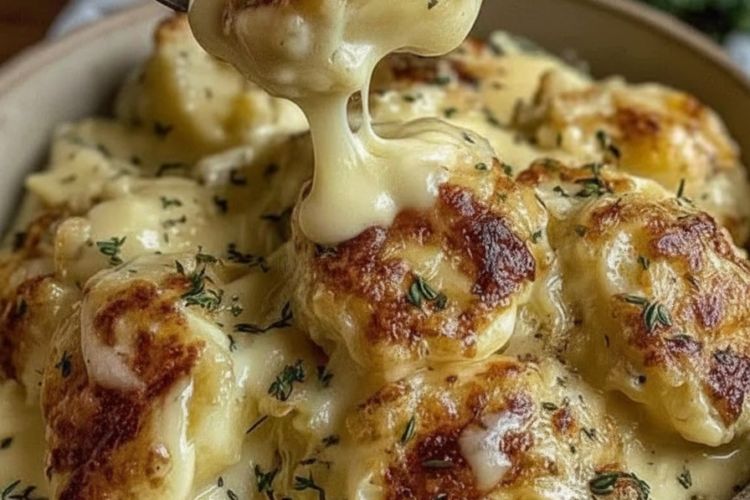
Picture a steaming bowl of German Cabbage with Dumplings: tender shreds of butter-glazed green cabbage mingle with soft, fluffy dumplings that soak up savory juices, creating bites of pure comfort. The cabbage offers subtle sweetness and earthiness, enhanced by caramelized onions, while dumplings provide light, eggy pillows with a gentle chew.
Visually appealing in its rustic simplicity—pale green cabbage flecked with golden butter hues and bright parsley—the dish aromas fill the air with warm, homey butter and onion scents. Texturally diverse: cabbage’s slight crisp-tender yield contrasts dumplings’ melt-away softness.
This meal delivers soul-soothing satisfaction—hearty yet light, flavorful without heaviness—evoking cozy kitchens and loving hands that prepared it before.
Nutritional Information
Estimates for German Cabbage with Dumplings (per serving, about 1/4-1/6 recipe) range 300-400 calories, varying by portions and additions. Carbohydrates dominate at 40-50 grams from flour and cabbage, protein 10-15 grams from eggs and milk, fats 10-15 grams mostly from butter.
Beneficial nutrients include vitamin C and K from cabbage (up to 50-70% daily value), fiber for digestion, and some iron. Sodium depends on seasoning, around 500-800 mg. Lighter versions reduce butter or use low-fat milk, dropping to 250-350 calories.
Overall, it’s a balanced, vegetable-forward comfort food with wholesome macros.
Conclusion
German Cabbage with Dumplings transcends a mere recipe—it’s a vessel for heritage, comfort, and simplicity, as your Nana’s teaching illustrates so beautifully. Its enduring appeal lies in transforming everyday ingredients into nourishing joy, bridging past and present with every forkful.
From Volga German roots to family tables worldwide, this dish affirms that true culinary treasures often hide in humility. A heartfelt classic worth cherishing.
Recommendation
Strongly recommend preparing this German Cabbage with Dumplings—it’s an accessible entry to traditional flavors, ideal for cozy meals or sharing stories. Pair with bratwurst, pork chops, or as vegetarian main.
Experiment with bacon for richness or herbs for twist. Excellent for meal prep; freezes well sans dumplings (add fresh). Kid-friendly and budget-conscious.
Embracing Healthful Indulgence
This dish naturally embraces healthful indulgence: cabbage packs antioxidants and fiber, dumplings provide sustained energy from whole ingredients. Use minimal butter or olive oil for lighter fat; add veggies for volume.
Mindful portions allow savoring richness guilt-free, nourishing body with vitamins while soul enjoys tradition. Homemade ensures quality—pure comfort aligned with wellness.