Introduction
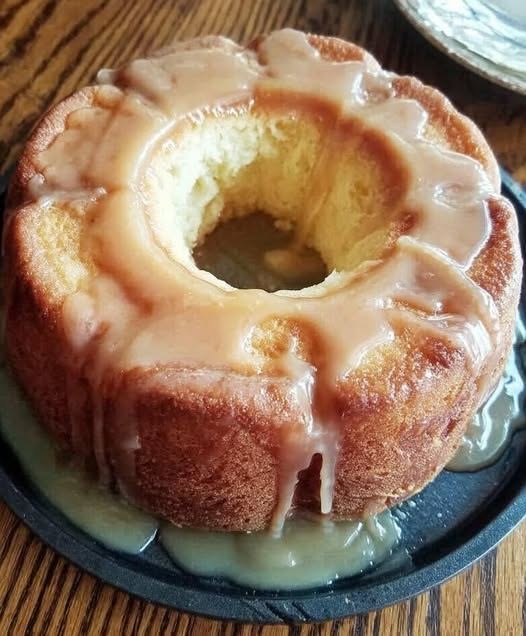
The Salted Caramel Kentucky Butter Cake is a decadent masterpiece that elevates the classic Southern dessert to new heights of indulgence. This rich, moist Bundt cake starts with a buttery vanilla base soaked in a luscious caramel butter drizzle, and when topped with homemade salted caramel, it becomes an irresistible treat that balances sweet, salty, and buttery flavors perfectly. Imagine slicing into a cake that has a tender crumb infused with caramel notes, a glossy exterior from the soaking sauce, and rivers of salted caramel cascading down the sides—it’s the kind of dessert that commands attention at any gathering. What makes this variation special is the clever use of caramel-flavored coffee creamer in the batter and drizzle, adding a subtle caramel essence without overwhelming the traditional butter cake profile, while the optional salted caramel topping introduces that trendy salty-sweet contrast that’s beloved in modern baking. This cake isn’t just a dessert; it’s an experience, evoking warmth and comfort with every bite. Whether served at holiday celebrations, potlucks, or as a weekend baking project, it promises to delight both traditionalists who adore the original Kentucky Butter Cake and those seeking a contemporary twist.
This Salted Caramel Kentucky Butter Cake bridges generations of baking heritage with today’s flavor preferences. The base recipe draws from timeless American home baking, where butter reigns supreme, but the salted caramel element nods to the popularity of flavors like those in salted caramel lattes or gourmet chocolates. It’s forgiving for beginner bakers yet rewarding for experienced ones, yielding a cake that’s impossibly moist thanks to the poking and soaking technique. As you embark on making this cake, you’ll fill your kitchen with aromas of vanilla, butter, and caramelizing sugar that are simply intoxicating. Let’s dive deeper into its fascinating backstory and why it holds such a cherished place in dessert lore.
Origin
The story of the Kentucky Butter Cake begins not in Kentucky, as one might assume, but in Missouri, with a talented home baker named Nell Lewis from Platte City. In 1963, Nell entered her butter cake recipe into the prestigious Pillsbury Bake-Off Contest and emerged victorious, introducing the world to this now-iconic dessert. The cake was a vanilla buttermilk pound cake soaked in a sweet butter-vanilla syrup, creating unparalleled moisture and a crisp, glazed exterior reminiscent of a donut. Despite its name, there’s no clear connection to Kentucky—speculation ranges from Nell possibly having Kentucky roots or family ties, to the bordering proximity of Platte City to Kentucky-influenced regions, or simply a nod to Southern baking traditions where butter and buttermilk are staples. Whatever the reason, the name stuck, and the recipe quickly spread through community cookbooks and family kitchens across the American South and beyond.
The Kentucky Butter Cake evolved from the English pound cake tradition, which used equal parts butter, sugar, flour, and eggs for a dense, rich texture. In the 19th century, chemical leavening agents like baking powder and soda allowed for lighter variations, leading to the modern butter cake family. Nell’s winning recipe utilized the high-ratio mixing method—blending dry ingredients with fats and liquids first for a tender crumb—which set it apart. Over decades, it became a Southern favorite, often associated with Kentucky due to the state’s bourbon culture, though many variations incorporate rum or bourbon in the glaze for added depth. The salted caramel twist, as in this recipe, is a more recent innovation, emerging in the 2010s and 2020s as salted caramel surged in popularity. Blogs and bakers began experimenting by replacing plain butter glaze with caramel versions or adding homemade salted caramel toppings, often inspired by bourbon-infused recipes that echo Kentucky’s spirit heritage. This particular version, using caramel-flavored coffee creamer, offers a convenient shortcut to caramel flavor while staying true to the soak-and-pierce method that defines the original.
Cultural Significance
In American baking culture, the Kentucky Butter Cake symbolizes homey indulgence and Southern hospitality. It’s a staple at church suppers, family reunions, and holiday tables, where its impressive Bundt shape makes it a centerpiece without needing elaborate frosting. The cake’s soaking glaze technique represents resourceful baking—ensuring every slice is moist and flavorful, a hallmark of Depression-era and post-war recipes that maximized simple ingredients. Unlike fussy layer cakes, this one is straightforward yet luxurious, embodying the ethos that good food comes from quality basics like butter and vanilla. Its win at the 1963 Pillsbury Bake-Off catapulted it to national fame, appearing in countless cookbooks and inspiring countless home bakers to claim it as their signature dessert.
The salted caramel variation adds a layer of modern cultural relevance. Salted caramel exploded in the early 2000s, thanks to French patissiers and American innovators, becoming a global sensation in everything from ice cream to cocktails. Pairing it with the Kentucky Butter Cake merges classic comfort with contemporary sophistication, appealing to younger generations who crave balanced flavors—the sweetness tempered by salt enhances the buttery richness without cloying. In Southern culture, where desserts are often unabashedly sweet, this twist introduces nuance, much like adding bourbon to pecan pie. It’s perfect for celebrations like the Kentucky Derby, where butter cakes are traditional, or fall gatherings when caramel evokes cozy seasons. Culturally, this cake fosters sharing and storytelling, as bakers pass down variations, adapting to personal tastes while honoring the original’s legacy of simple, crowd-pleasing joy.
Ingredients Quantity
To create this exquisite Salted Caramel Kentucky Butter Cake, you’ll need precise measurements for the best results. The recipe serves about 12-16 slices, depending on portion size, and uses a 10-inch Bundt pan.
For the Cake:
- All-purpose flour: 3 cups (spooned and leveled for accuracy)
- Granulated sugar: 2 cups
- Salt: 1 teaspoon
- Baking powder: 1 teaspoon
- Baking soda: ½ teaspoon
- Cream of tartar: ½ teaspoon (this helps stabilize the batter; substitute with 1 cup buttermilk if preferred)
- Caramel-flavored coffee creamer (or buttermilk for a traditional twist): 1 cup
- Butter, softened to room temperature: 1 cup (2 sticks)
- Pure vanilla essence: 2 teaspoons
- Eggs, at room temperature: 4 large
For the Caramel Butter Drizzle:
- Granulated sugar: ¾ cup
- Butter: ⅓ cup
- Caramel-flavored coffee creamer: 3 tablespoons
- Pure vanilla essence: 2 teaspoons
For the Homemade Salted Caramel Topping (Optional but highly recommended):
- Granulated sugar: 1 cup
- Water: ¼ cup
- Heavy cream (rich cream): ¾ cup
- Butter: 3 ½ tablespoons
- Kosher or sea salt: 1 teaspoon (adjust to taste for saltiness)
These quantities yield a balanced cake with deep flavor penetration from the drizzle and an optional topping that adds visual and taste appeal. Using room-temperature ingredients ensures smooth emulsification, leading to a finer crumb.
Optional Additions
While this recipe shines in its simplicity, optional additions can customize it to your preferences or occasions. For a boozy kick reminiscent of Kentucky bourbon traditions, add 2-3 tablespoons of bourbon or dark rum to the caramel butter drizzle—stir it in off the heat for a warm, sophisticated note. Nuts like chopped pecans or walnuts (about ½ cup toasted) can be folded into the batter or sprinkled on top for crunch, evoking Southern pecan pies. For a fruity contrast, serve slices with fresh berries or a berry compote to cut through the richness.
Spices such as a pinch of cinnamon or nutmeg in the batter can add warmth, ideal for fall baking. If making the salted caramel topping, experiment with flaky sea salt sprinkled on top for extra texture and visual pop. Chocolate lovers might drizzle melted dark chocolate alongside the caramel for a turtle-like flavor profile. For a lighter version, reduce sugar slightly or serve with whipped cream. These additions keep the cake versatile, from elegant dinner party fare to casual family treats.
Tips for Success
Achieving the perfect Salted Caramel Kentucky Butter Cake requires attention to key techniques. First, thoroughly grease and flour your Bundt pan—use softened butter brushed into every crevice, then dust with flour, tapping out excess—to prevent sticking, as the soaking sauce can make release tricky. Room-temperature ingredients are crucial: eggs and butter incorporate better, yielding a smoother batter and taller rise. Sift dry ingredients to avoid lumps and ensure even distribution.
When mixing, beat the wet and dry components for the full 3 minutes specified—this aerates the batter for a tender texture. Don’t overbake; test with a skewer at 50 minutes, as carryover heat will continue cooking. For the drizzle, heat gently without boiling to prevent graininess. Poke holes deeply but gently while the cake is warm for maximum absorption.
For the optional salted caramel, use a heavy-bottomed pan and watch closely during the amber stage—sugar burns quickly. Add cream off heat to avoid splatters, and stir in butter and salt for silkiness. Cool the topping slightly before drizzling to set nicely. Store the cake at room temperature for up to 3 days (flavors deepen overnight) or refrigerate for longer, bringing slices to room temp before serving. If the cake sticks upon unmolding, let it cool longer or gently loosen edges with a knife.
Instructions
Follow these detailed steps for flawless results.
Step 1: Prep & Mix Cake Batter
Preheat your oven to 325°F (165°C). Generously brush a 10-inch Bundt pan with softened butter and dust with flour, shaking out excess. In a large bowl, sift together 3 cups flour, 2 cups granulated sugar, 1 teaspoon salt, ½ teaspoon cream of tartar, 1 teaspoon baking powder, and ½ teaspoon baking soda. In another bowl, cream 1 cup softened butter with 1 cup caramel-flavored coffee creamer, 2 teaspoons vanilla essence, and 4 room-temperature eggs until light and fluffy. Gradually add the wet mixture to the dry, beating on medium speed for exactly 3 minutes until smooth and velvety.
Step 2: Bake the Cake
Pour the batter evenly into the prepared Bundt pan. Bake on the middle rack for 50-55 minutes, or until a wooden skewer inserted into the center comes out clean or with a few moist crumbs. Avoid opening the oven door early to prevent sinking. Let the cake cool in the pan for 10-15 minutes while preparing the drizzle.
Step 3: Make the Caramel Butter Drizzle
In a medium saucepan over medium heat, combine ¾ cup granulated sugar, ⅓ cup butter, 3 tablespoons caramel-flavored coffee creamer, and 2 teaspoons vanilla essence. Stir constantly until melted and smooth—do not boil, as this can cause separation. Remove from heat promptly.
Step 4: Drizzle & Cool
While the cake is still warm in the pan, use a thin wooden skewer or fork to poke holes all over the surface and sides, going about halfway deep. Slowly pour the warm caramel butter drizzle over the cake, encouraging it to seep into the holes. Let absorb for 20-30 minutes, then cool completely in the pan (at least 1-2 hours) before inverting onto a serving plate. Run a knife around edges if needed for easy release.
Step 5: Make the Salted Caramel Topping (Optional)
In a deep, heavy saucepan, dissolve 1 cup sugar in ¼ cup water over medium heat, swirling gently without stirring. Increase to high and boil until it turns a deep amber color (6-8 minutes)—watch carefully to avoid burning. Remove from heat and cautiously pour in ¾ cup heavy cream (it will bubble vigorously). Stir in 3 ½ tablespoons butter and 1 teaspoon kosher salt until smooth. Cool to room temperature or slightly warm, then drizzle generously over the cooled cake. Let set before slicing.
Description
The Salted Caramel Kentucky Butter Cake is a symphony of textures and flavors. Visually, it’s a golden Bundt with intricate ridges, glistening from the absorbed drizzle and crowned with shiny salted caramel ribbons that pool in the crevices. The exterior has a subtle crispness from the glaze, giving way to an ultra-moist, dense-yet-tender interior that’s almost pudding-like in places where the sauce has soaked deepest. Flavor-wise, the vanilla butter cake base is rich and comforting, enhanced by caramel notes from the creamer, while the drizzle adds intense buttery sweetness. The optional salted caramel topping introduces a profound depth—deep toffee notes with a salty edge that cuts the richness, creating that addictive sweet-salty harmony.
Each bite melts on the tongue, with vanilla undertones mingling with caramel warmth, and occasional salt crystals providing pops of contrast. It’s denser than a sponge cake but lighter than traditional pound cake, thanks to the leavening and soaking. Served slightly warm, the caramel flows; at room temperature, it’s fudgy. Pair with coffee, milk, or vanilla ice cream for ultimate bliss—this cake improves with age as flavors meld, making day-old slices even more irresistible.
Nutritional Information
This Salted Caramel Kentucky Butter Cake is undeniably indulgent, with high butter and sugar content contributing to its luxurious taste. Per serving (based on 16 slices, without optional topping): approximately 450-550 calories, primarily from fats (about 25-30g total fat, 15g saturated) and carbohydrates (60-70g, mostly sugars around 45g). Protein is moderate at 5-7g from eggs and flour, with minimal fiber (1-2g). The optional salted caramel adds 100-150 extra calories per serving, plus sodium from salt (200-400mg total per slice).
These estimates vary by exact ingredients and portion size; standard versions hover around 400-500 calories. It’s rich in energy but low in vitamins/minerals—enjoy in moderation as a treat. For lighter options, reduce sugar or serve smaller slices with fruit.
Conclusion
In wrapping up our journey with the Salted Caramel Kentucky Butter Cake, it’s clear why this dessert endures as a beloved classic with a modern edge. From its humble 1963 origins to today’s salted caramel embellishments, it captures the essence of heartfelt baking: simple ingredients transformed into something extraordinary. The soaking technique ensures moisture that defies time, while the flavors—buttery, vanilla-kissed, and caramel-drenched—evoke pure comfort and joy. Whether you’ve baked it for a special occasion or a quiet indulgence, this cake leaves lasting memories and satisfied smiles.
Recommendation
I wholeheartedly recommend trying this Salted Caramel Kentucky Butter Cake soon—it’s ideal for holidays, birthdays, or any day needing sweetness. Start with the base recipe, then add the salted caramel for wow factor. Pair with hot tea or bourbon-spiked coffee for adults. Share slices generously; it’s meant for connection.
Embracing Healthful Indulgence
While this cake is a calorie-dense delight, embracing healthful indulgence means savoring it mindfully. Balance with active days, fresh fruits on the side, or smaller portions to enjoy without guilt. Baking itself is therapeutic—kneading stress away while creating something nourishing for the soul. In a world of quick treats, this homemade gem reminds us that true indulgence lies in quality, shared moments, and occasional splurges that make life richer.