Introduction
There is something undeniably comforting about the smell of freshly baked dinner rolls filling the kitchen. Soft, warm, and gently buttery, homemade dinner rolls have a way of making any meal feel more complete and special. Whether served alongside a holiday feast or a simple weeknight dinner, these pillowy rolls bring a sense of warmth and togetherness to the table.
Super soft homemade dinner rolls are beloved not only for their flavor but also for the experience of making them. From kneading the dough to watching it rise and transform, the process feels almost therapeutic. Baking bread at home connects us to traditions that have been passed down through generations, reminding us that simple ingredients can create something extraordinary.
This recipe for super soft homemade dinner rolls is designed to be approachable, reliable, and deeply satisfying. With a tender crumb, golden exterior, and rich buttery finish, these rolls are perfect for beginners and seasoned bakers alike. Once you try them, store-bought rolls may never feel the same again.
Origin
Bread has been a foundational food in human history for thousands of years, and dinner rolls are a natural evolution of this ancient staple. Early forms of bread were simple flatbreads, but as baking techniques advanced, enriched doughs containing milk, eggs, and butter became more common. These enriched breads laid the groundwork for what we now recognize as soft dinner rolls.
Dinner rolls as we know them today became especially popular in Europe and later in North America. As ovens became standard household appliances, home bakers began experimenting with yeast, refined flour, and dairy to create lighter, fluffier breads. The result was a tender roll that could be served as a side dish rather than a main source of sustenance.
Over time, dinner rolls became a symbol of hospitality and comfort. They were often served warm, brushed with butter, and placed at the center of family meals. This evolution reflects not just changes in baking technology, but also shifts in how food became a way to express care and generosity.
Cultural Significance
Super soft dinner rolls hold a special place in many cultures, particularly in Western households where bread is a staple at family gatherings. They are commonly associated with holidays such as Thanksgiving, Christmas, and Easter, where baskets of warm rolls grace the table. Their presence often signals celebration, abundance, and shared joy.
In many families, dinner rolls are tied to memories of grandparents, special occasions, and home-cooked meals. The act of tearing open a warm roll and spreading it with butter is deeply nostalgic for many people. These small rituals turn ordinary meals into meaningful experiences.
Beyond holidays, dinner rolls also represent comfort and nourishment. They are served at restaurants, potlucks, and family dinners, bridging the gap between simple and special. Their universal appeal makes them a timeless food that transcends trends and continues to bring people together.
Ingredients Quantity
The beauty of super soft homemade dinner rolls lies in their simplicity. Each ingredient plays an essential role in creating the perfect texture and flavor. Measuring ingredients accurately helps ensure consistent results and a dough that behaves exactly as expected.
For this recipe, you will need 2 ¾ cups all-purpose flour (330 g) to form the structure of the rolls. 1 cup warm milk, gently heated, activates the yeast and adds richness. 2 tablespoons sugar feed the yeast and enhance flavor, while 1 teaspoon salt balances the sweetness.
You will also need 2 tablespoons soft butter mixed into the dough for tenderness, 1 room-temperature egg for structure and softness, and 2 ¼ teaspoons instant yeast (one packet) for leavening. Finally, 1 tablespoon melted butter is brushed on after baking to give the rolls their signature shine and flavor.
Optional Additions
One of the joys of homemade dinner rolls is how easy they are to customize. While the classic version is delicious on its own, small additions can create exciting variations that suit different meals and preferences. These optional ingredients allow you to make the recipe your own.
Herbs such as rosemary, thyme, or parsley can be mixed into the dough for a savory twist. Garlic powder or roasted garlic adds depth and aroma, making the rolls perfect for serving with pasta or soups. A sprinkle of flaky salt on top before baking enhances both flavor and appearance.
For a richer version, you can add shredded cheese such as cheddar or Parmesan to the dough. Sweet variations are also possible by increasing the sugar slightly and adding cinnamon or honey. These optional additions transform the rolls into versatile creations suitable for any occasion.
Tips for Success
Achieving ultra-soft dinner rolls depends on a few key techniques rather than complicated steps. One of the most important factors is ensuring the milk is warm but not hot. Milk that is too hot can kill the yeast, while milk that is too cool may not activate it properly.
Kneading the dough thoroughly is another essential step. Proper kneading develops gluten, which gives the rolls their soft, elastic structure. The dough should feel smooth and slightly tacky, but not sticky, by the end of kneading.
Allowing enough time for the dough to rise is crucial for light and fluffy rolls. Rushing the rise can result in dense bread. Patience during both rises ensures the rolls bake up soft, airy, and beautifully shaped.
Instructions
Begin by warming the milk until it is just warm to the touch, not hot. Add the sugar and yeast to the milk and stir gently. Let the mixture sit for about five minutes, or until it becomes foamy, indicating the yeast is active and ready to use.
In a large mixing bowl, combine the flour, salt, and softened butter. Add the egg and the yeast mixture to the bowl. Mix until a sticky dough forms, making sure all ingredients are well incorporated.
Knead the dough for eight to ten minutes, either by hand or with a stand mixer fitted with a dough hook. The dough should become smooth, elastic, and slightly springy. Place it in a greased bowl, cover, and let it rise for one hour or until doubled in size.
Description
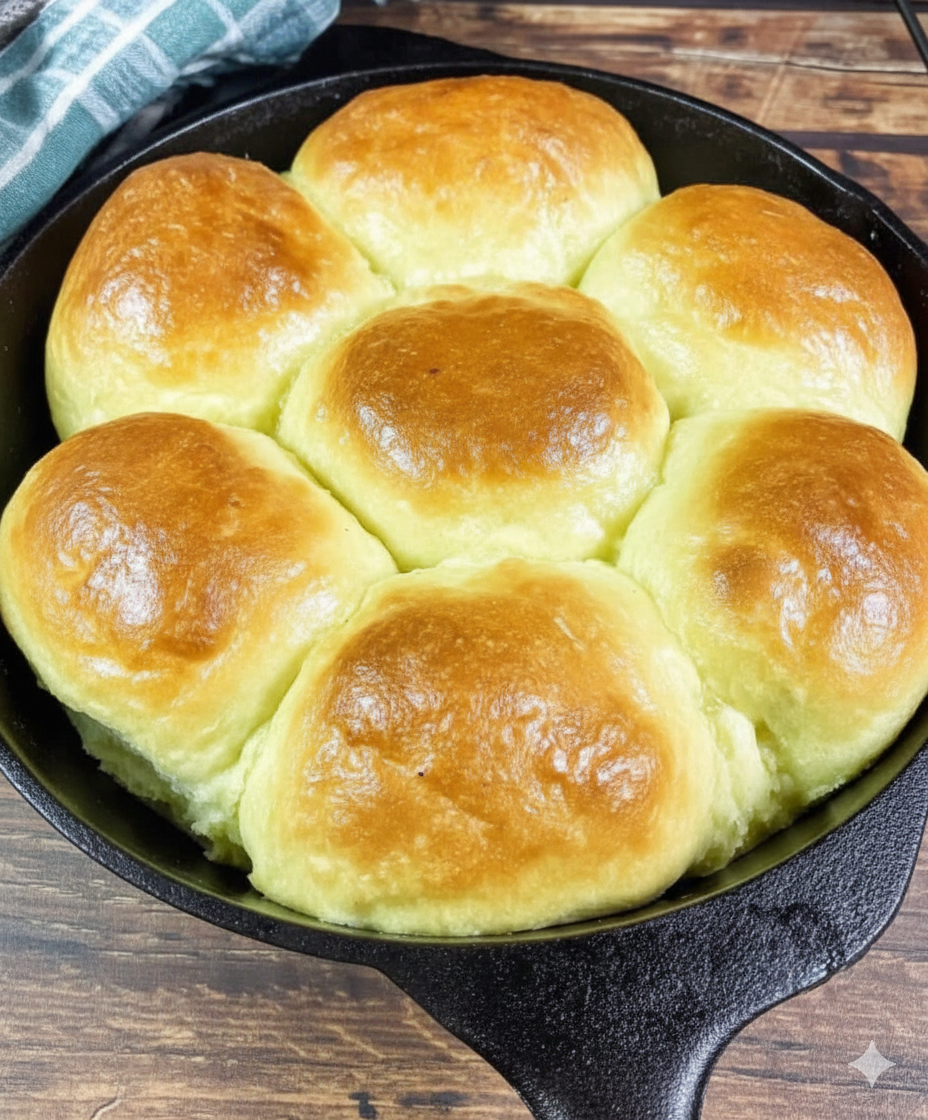
Once baked, these super soft dinner rolls emerge golden brown with a gentle sheen of butter on top. Their exterior is lightly crisp, while the interior remains fluffy and cloud-like. The aroma alone is enough to draw everyone to the kitchen.
Breaking open a warm roll reveals a tender crumb that pulls apart effortlessly. The flavor is mild, buttery, and comforting, making it the perfect accompaniment to both savory and sweet dishes. Each bite feels soft and satisfying without being heavy.
These rolls are incredibly versatile and pair beautifully with soups, roasts, salads, and holiday meals. They are just as enjoyable on their own with a simple spread of butter or jam, proving that simplicity often delivers the greatest pleasure.
Nutritional Information
Super soft homemade dinner rolls provide carbohydrates that offer energy and satiety. The inclusion of milk, egg, and butter adds protein, fat, and essential nutrients such as calcium and vitamins A and D. While they are an indulgent addition to meals, they also provide nourishment.
On average, one roll contains approximately 150 to 180 calories, depending on size. The rolls are moderate in fat and sugar, making them suitable for occasional enjoyment as part of a balanced diet. Portion size plays an important role in managing intake.
For those with dietary needs, substitutions such as plant-based milk or reduced butter can be used. While these changes may slightly alter texture, they allow the recipe to remain flexible and inclusive without sacrificing too much quality.
Conclusion
Super soft homemade dinner rolls are more than just bread; they are a symbol of comfort, tradition, and home cooking at its finest. With simple ingredients and straightforward steps, this recipe delivers consistently delicious results that feel both special and familiar.
From everyday dinners to festive celebrations, these rolls enhance any meal they accompany. Their soft texture, gentle sweetness, and buttery finish make them universally loved by all ages.
Once you master this recipe, it is likely to become a permanent fixture in your kitchen. Few things compare to the satisfaction of serving warm, homemade rolls straight from the oven.
Recommendation
These dinner rolls are best enjoyed fresh and warm, brushed generously with melted butter. Serve them alongside hearty meals, soups, or holiday spreads for maximum enjoyment. They also make excellent sandwich rolls for leftovers the next day.
If storing leftovers, keep them covered at room temperature for up to two days or refrigerate for longer freshness. Reheat gently in the oven or microwave to restore their softness before serving.
For anyone new to bread baking, this recipe is an excellent starting point. Its forgiving nature and reliable outcome make it a confidence-boosting addition to any baker’s repertoire.
Embracing Healthful Indulgence
Homemade dinner rolls remind us that indulgence can be part of a balanced lifestyle when enjoyed mindfully. Baking at home allows you to control ingredients, portion sizes, and freshness, making each bite more intentional.
Rather than viewing bread as something to avoid, embracing quality homemade bread encourages moderation and appreciation. A single warm roll enjoyed slowly can be far more satisfying than mindless snacking.
In embracing healthful indulgence, we allow room for joy, tradition, and comfort. These super soft homemade dinner rolls are a perfect example of how food can nourish both body and soul when made with care.