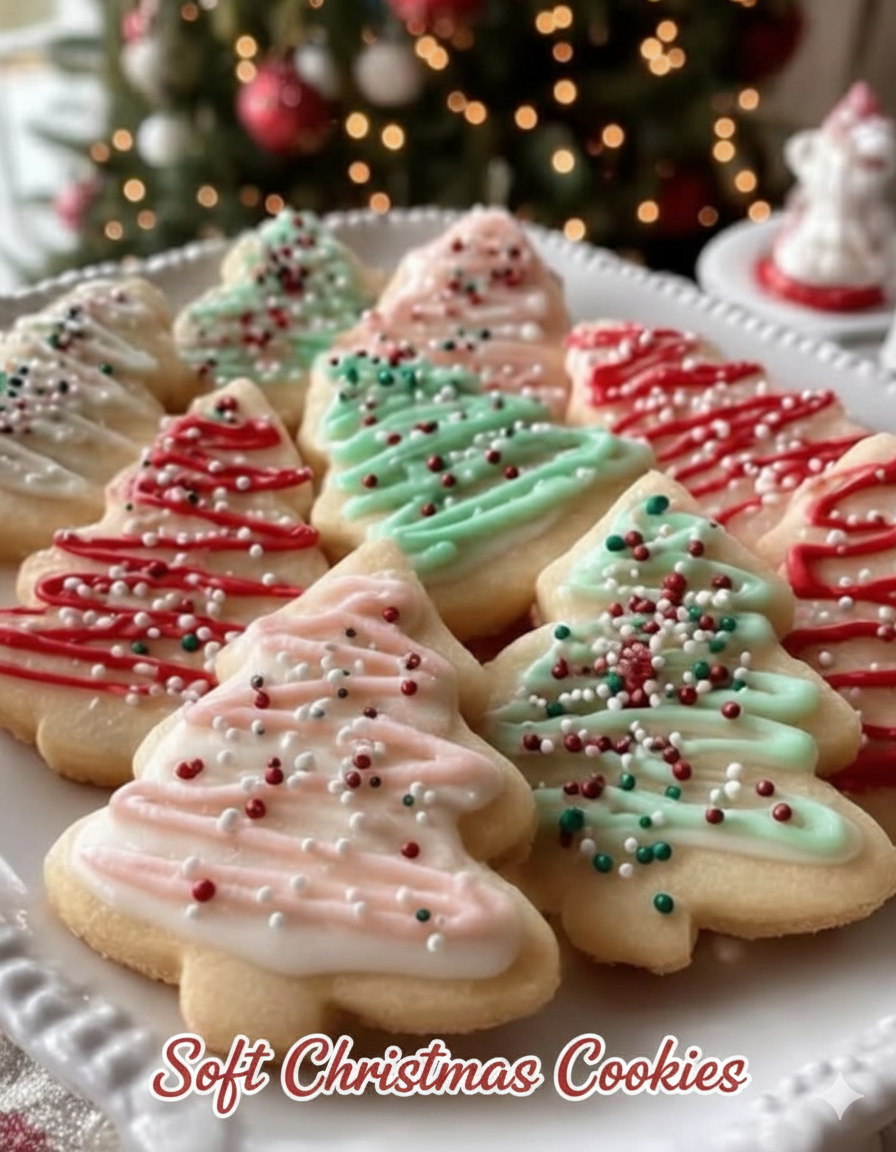
Soft Christmas Cookies: The Ultimate Holiday Treat
Introduction
Soft Christmas Cookies are more than just a dessert; they are a symbol of warmth, family, and holiday cheer. Their tender texture and delightful sweetness make them an irresistible treat for both young and old. Baking these cookies is an opportunity to create memories, fill the home with enticing aromas, and celebrate the festive season in the most delicious way possible.
The magic of Christmas cookies lies not only in their taste but in the joy they bring to gatherings, parties, and cozy evenings by the fireplace. Whether you are an experienced baker or a beginner, making soft Christmas cookies is a rewarding experience. These cookies offer endless possibilities for creativity, from shapes to colors, and even personalized decorations.
Soft Christmas Cookies also represent a culinary tradition passed down through generations, reminding us of the comforting flavors of home. Their delicate texture, sweet aroma, and festive colors make them the perfect centerpiece for holiday tables. Baking them is not just about following a recipe; it’s about embracing the spirit of togetherness and indulgence.
Origin
The tradition of Christmas cookies dates back centuries, with origins in Europe, particularly in Germany and the Netherlands. Early bakers would prepare spiced cookies for special occasions, often sharing them as gifts. Gingerbread and sugar cookies became staples of Christmas celebrations, setting the stage for today’s soft and colorful varieties.
As settlers arrived in America, they brought these recipes with them, adapting them to local ingredients and tastes. Over time, cookies evolved to include butter, vanilla, and a variety of spices, resulting in the soft, melt-in-your-mouth textures we cherish today. This adaptation helped create a uniquely American take on a European tradition.
The evolution of Christmas cookies highlights how cultural exchange can influence culinary practices. Recipes were modified based on available ingredients, household traditions, and family preferences. Today, soft Christmas cookies carry a rich history that spans continents and centuries, combining old-world charm with modern creativity.
Cultural Significance
Christmas cookies hold a special place in holiday celebrations worldwide. They are not just desserts; they are a symbol of generosity, celebration, and shared joy. Baking cookies is often a family activity, bringing together children and adults to create something delightful.
In many cultures, cookies are exchanged as gifts, decorated with intricate designs to convey love and care. Cookie swaps, parties, and festive platters have become common traditions, emphasizing the social aspect of baking. These cookies are a universal language of holiday cheer, connecting people across generations and geographies.
Beyond their taste, soft Christmas cookies evoke nostalgia and emotional connection. The act of rolling dough, cutting shapes, and decorating with sprinkles brings back memories of past holidays. Their presence on the table signals warmth, comfort, and the timeless magic of the festive season.
Ingredients & Quantity
To make soft Christmas cookies, gather the following ingredients:
- 2 ½ cups all-purpose flour
- 1 teaspoon baking powder
- ½ teaspoon baking soda
- ½ teaspoon salt
- 1 cup unsalted butter, softened
- 1 cup granulated sugar
- 1 large egg
- 1 teaspoon vanilla extract
- ¼ cup milk (optional, for softer texture)
- Food coloring or sprinkles for decoration (optional)
Optional additions can elevate the flavor:
- ½ teaspoon almond extract for a nutty twist
- Zest of one lemon for a bright, citrusy note
- ½ teaspoon ground cinnamon for a warm, spiced flavor
- Chocolate chips or small candy pieces for festive flair
Using high-quality ingredients ensures the best results. Softened butter, fresh eggs, and real vanilla extract all contribute to superior texture and taste. Adjusting optional ingredients allows you to create your unique version of these beloved holiday treats.
Optional Additions
For an extra special touch, you can modify the dough or decorations:
- Marbled Cookies: Mix two food colors in the dough for a swirled effect.
- Cinnamon Sugar Roll: Roll cookie dough balls in cinnamon sugar before baking.
- Glazed Cookies: After baking, drizzle with a thin sugar glaze for extra sweetness.
- Chocolate-Dipped: Dip half of the cooled cookie in melted chocolate and let it set.
Creative additions make baking more fun and allow for personalization. Children especially enjoy choosing colors, sprinkles, or small candies. These variations not only enhance flavor but also make your cookie platter visually stunning for holiday gatherings.
Tips for Success
- Always soften butter, don’t melt it, to maintain proper dough consistency.
- Chill dough for 20–30 minutes if your kitchen is warm or cookies spread too much.
- Don’t overbake; cookies should look slightly underdone in the center to stay soft.
- Use gel food coloring to maintain vibrant colors without altering dough texture.
- Cool cookies completely before decorating to avoid icing from melting or sliding.
Consistency is key to soft, tender cookies. Measuring ingredients accurately and following these tips ensures reliable results every time. Even small adjustments, like chilling dough or adjusting baking time, can significantly improve texture and flavor.
Instructions
- Preheat Oven: Set to 350°F (175°C). Line baking sheets with parchment paper.
- Mix Dry Ingredients: In a bowl, combine flour, baking powder, baking soda, and salt. Set aside.
- Cream Butter & Sugar: Beat softened butter and sugar until fluffy. Add egg and vanilla extract.
- Combine Ingredients: Gradually add dry ingredients to wet mixture. Mix until just combined. Dough should be soft and slightly sticky.
- Add Color (Optional): Divide dough into bowls and add food coloring, mixing until colors are even.
- Scoop Cookies: Drop spoonfuls onto prepared sheets, leaving 2 inches between cookies.
- Bake: Bake for 8–10 minutes. Centers should look soft and slightly underdone.
- Cool: Let cookies sit on the sheet for a few minutes, then transfer to a cooling rack.
- Decorate: Once cooled, decorate with icing, sprinkles, or festive details.
Following each step carefully guarantees soft, melt-in-your-mouth cookies that everyone will love. Precision in baking temperatures, dough consistency, and baking time is essential for achieving the ideal texture.
Description
Soft Christmas Cookies are tender, buttery, and sweet, with a slight chew in the center. They melt in your mouth, leaving a subtle vanilla flavor complemented by optional extracts or zest. Their smooth surface is perfect for vibrant icing, sprinkles, or chocolate decorations.
The cookies’ soft texture sets them apart from crisp or crunchy varieties. When baked correctly, they remain fluffy even after cooling, making them perfect for stacking or gifting. Their festive appearance makes them an instant holiday favorite for family gatherings, school parties, or office treats.
Each bite offers a delicate balance of sweetness, buttery richness, and gentle chewiness. Their versatility allows for creative decoration, making them a fun project for both adults and children during the holiday season.
Nutritional Information (Approximate per cookie)
- Calories: 120–150 kcal
- Fat: 6–8 g
- Carbohydrates: 15–20 g
- Protein: 1–2 g
- Sugar: 8–10 g
- Fiber: <1 g
These cookies are an indulgent treat best enjoyed in moderation. Adding nuts or dark chocolate can slightly increase protein and healthy fat content. Homemade cookies allow control over ingredients, reducing preservatives and artificial additives compared to store-bought options.
Serving, Pairing & Storage
How to Serve
Soft Christmas Cookies pair wonderfully with:
- Hot cocoa, for a cozy holiday evening
- Coffee, as a festive morning treat
- Holiday teas, adding a sweet complement
- Eggnog, for a traditional seasonal pairing
They are ideal for cookie exchanges, parties, or as edible gifts wrapped in festive boxes or tins. Their soft texture makes them easy to stack and transport without breaking.
Storage
- Store in an airtight container at room temperature for up to 1 week.
- For longer storage, freeze baked cookies up to 3 months.
- Freeze raw dough balls and bake from frozen, adding 1 extra minute to baking time.
Proper storage preserves softness and flavor. Avoid stacking freshly baked cookies until fully cooled to prevent sticking.
FAQ
Why are my cookies spreading too much?
Butter may have been too soft; chill the dough 20–30 minutes.
Can I decorate before baking?
Sprinkles can go on before baking, but icing should be added after cooling.
Can I use margarine instead of butter?
Butter gives the best flavor and texture, though margarine can work in a pinch.
How do I make cookies extra soft?
Use a small amount of milk or slightly underbake; store in airtight containers with a slice of bread to maintain softness.
Conclusion
Soft Christmas Cookies are a festive, heartwarming treat perfect for celebrating the holiday season. Their tender texture, buttery flavor, and endless decoration possibilities make them an essential part of holiday traditions. Baking them brings joy, creativity, and a sense of togetherness that transcends generations.
Creating these cookies is more than following a recipe—it is about crafting memories, sharing happiness, and embracing the holiday spirit. They are versatile, easy to personalize, and universally loved, making them a must-have for any Christmas celebration.
Recommendation
For the ultimate cookie experience, use high-quality butter, fresh eggs, and pure vanilla extract. Experiment with colors, flavors, and decorations to make each batch unique. Serve alongside festive beverages and share generously with friends, family, and neighbors.
Soft Christmas Cookies are not only delicious but also a joyful ritual. They bring people together, spark creativity, and fill homes with the unmistakable aroma of the holidays. Every bite is a celebration of warmth, comfort, and the magic of Christmas.
Embracing Healthful Indulgence
While these cookies are a treat, mindful preparation can make them slightly healthier without sacrificing taste. Using whole grain flour, reducing sugar slightly, or adding finely chopped nuts increases fiber and nutrients. Portion control allows you to enjoy the festive indulgence without overdoing it.
Embracing healthful indulgence means enjoying the richness and joy of holiday baking while maintaining balance. These cookies can be part of a nourishing lifestyle when combined with mindful eating and seasonal celebration. Treat yourself, share with loved ones, and savor every delightful bite.